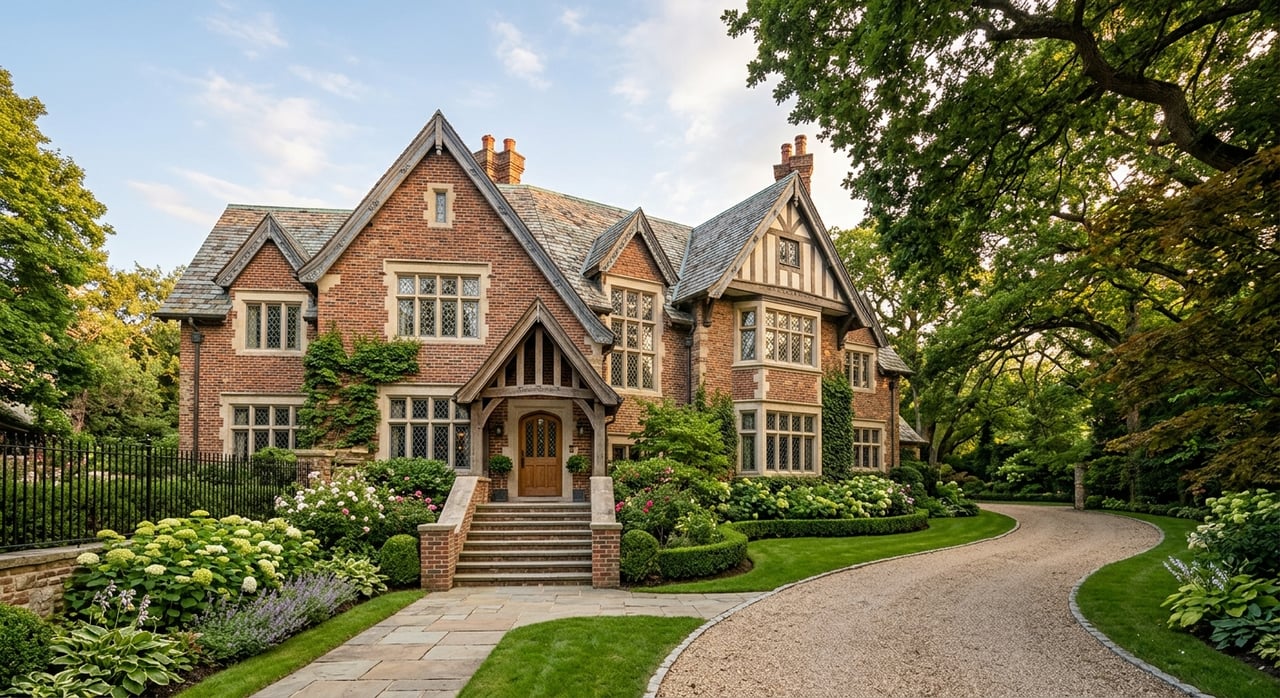
If you are comparing Chevy Chase and Forest Hills, you are likely looking for more than a map pin. You want to understand how each neighborhood feels day to day, what the housing stock is really like, and how easy it is to get around. In this guide, you will get a clear, practical look at what these two Northwest DC neighborhoods share and where they differ. Let’s dive in.
Chevy Chase and Forest Hills at a glance
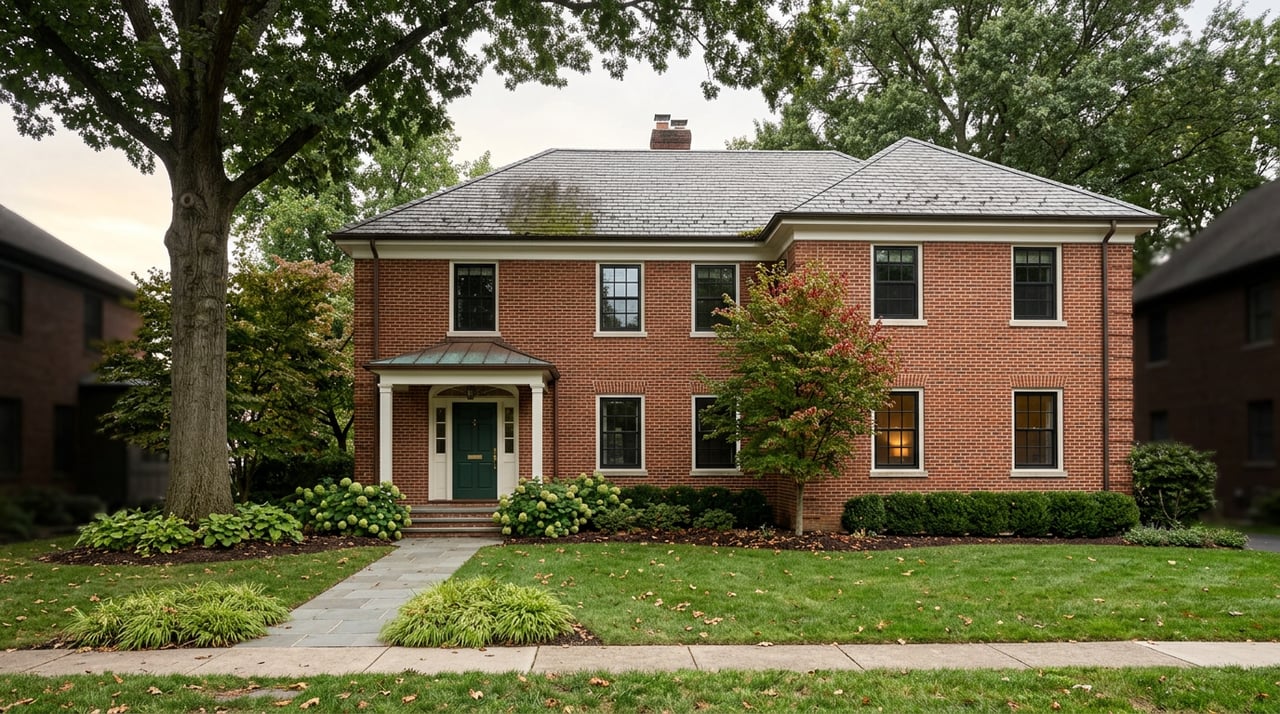
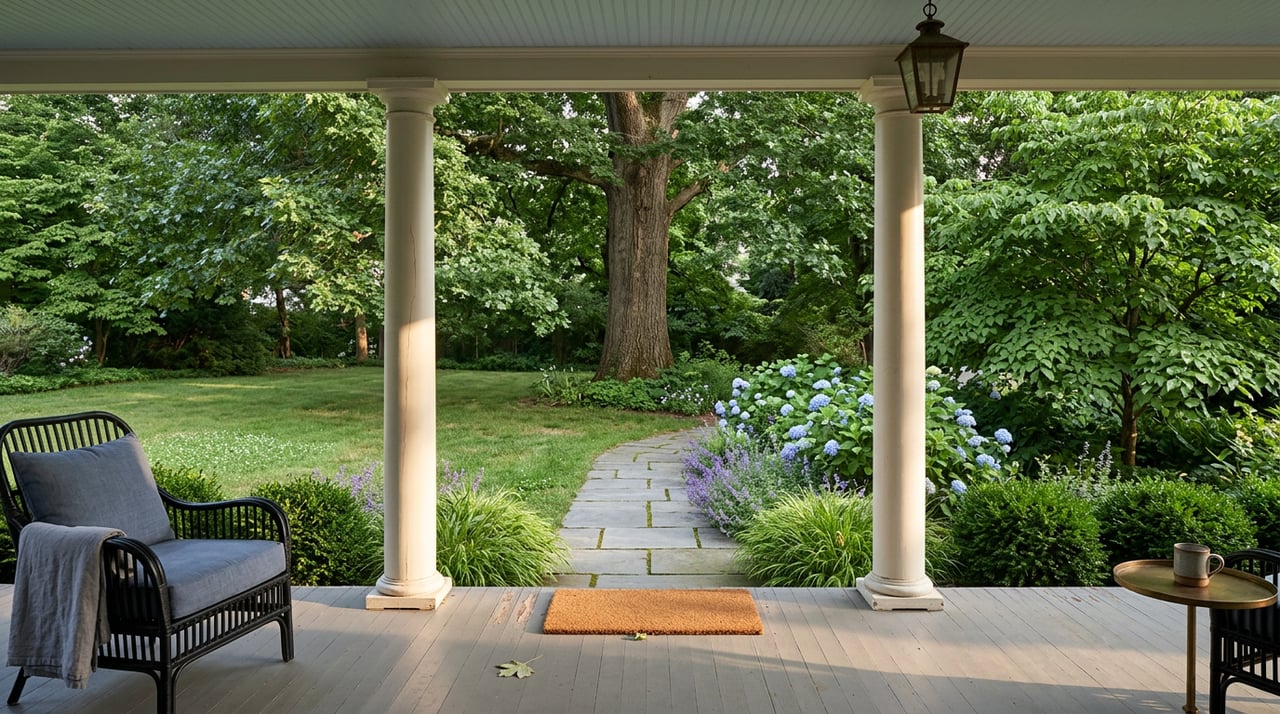
Chevy Chase and Forest Hills share a lot of the qualities that draw buyers to Northwest Washington. Both sit in a leafy part of Ward 3 shaped by tree-lined streets, landscaped residential lots, and close access to major green space.
A big part of that shared identity is Rock Creek Park. The park includes nearly 3,000 acres and more than 30 miles of hiking trails, which gives both neighborhoods easy access to outdoor space that feels unusually expansive for city living.
Where they begin to differ is in their layout and character. Chevy Chase reads more clearly as a corridor-centered neighborhood along Connecticut Avenue, while Forest Hills feels more varied, with streets and homes shaped by terrain and a longer architectural timeline.
Chevy Chase neighborhood character
Chevy Chase began as a planned residential suburb along Connecticut Avenue. Its early growth was tied to streetcar access, which helped establish Connecticut Avenue as the neighborhood’s main commercial spine.
That planning history still shows up today. Side streets are largely residential, while the avenue itself remains the center of daily errands, dining, and neighborhood activity.
For many buyers, that creates an appealing balance. You can enjoy quieter residential blocks while still having a strong amenity corridor nearby.
Chevy Chase housing feel
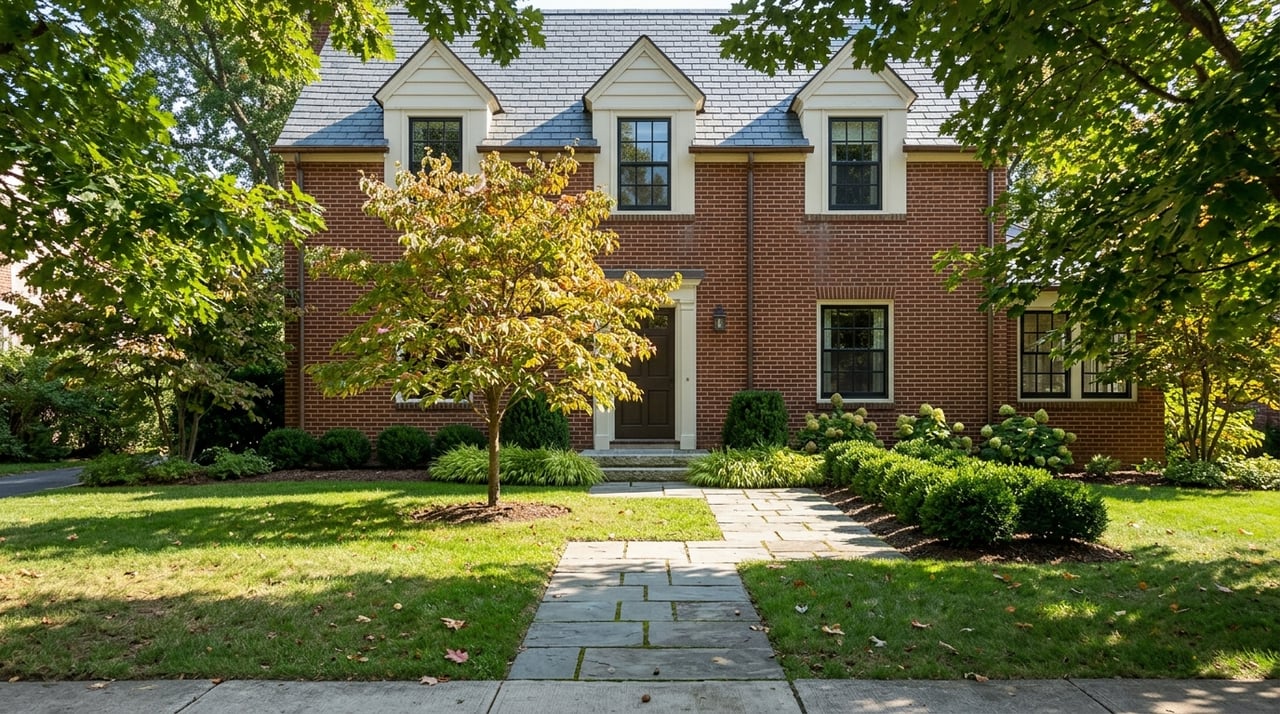
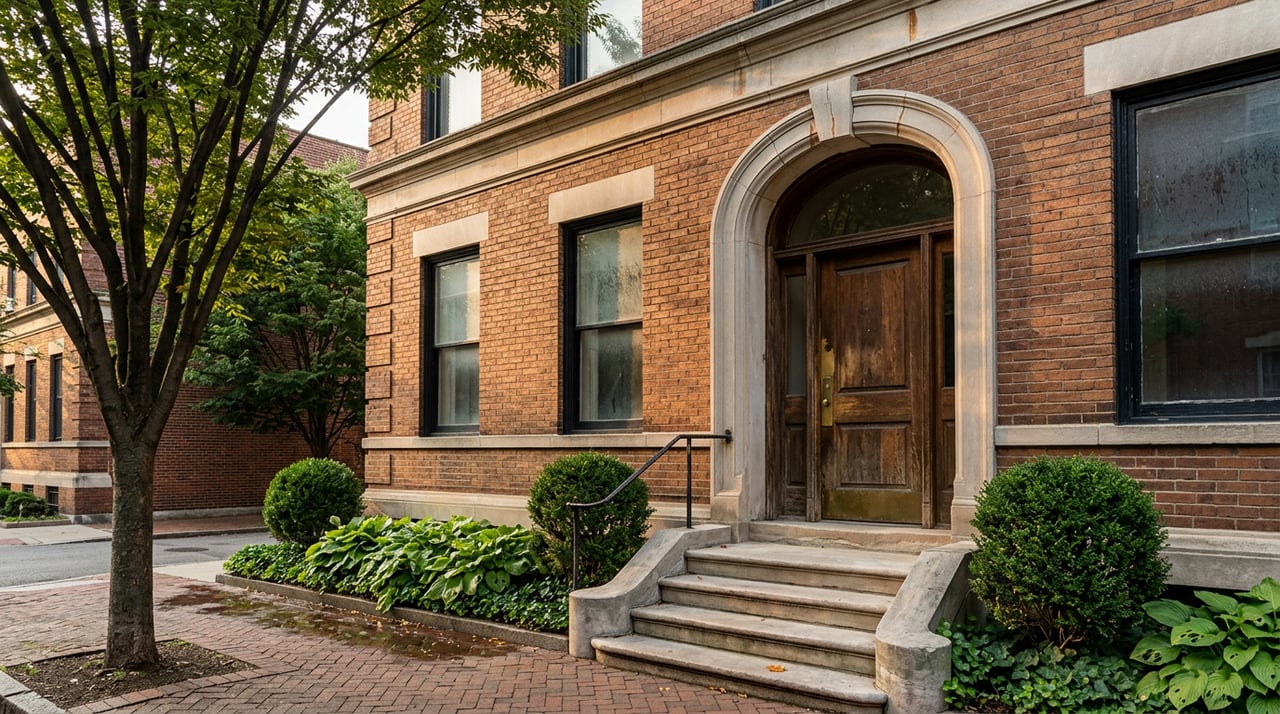
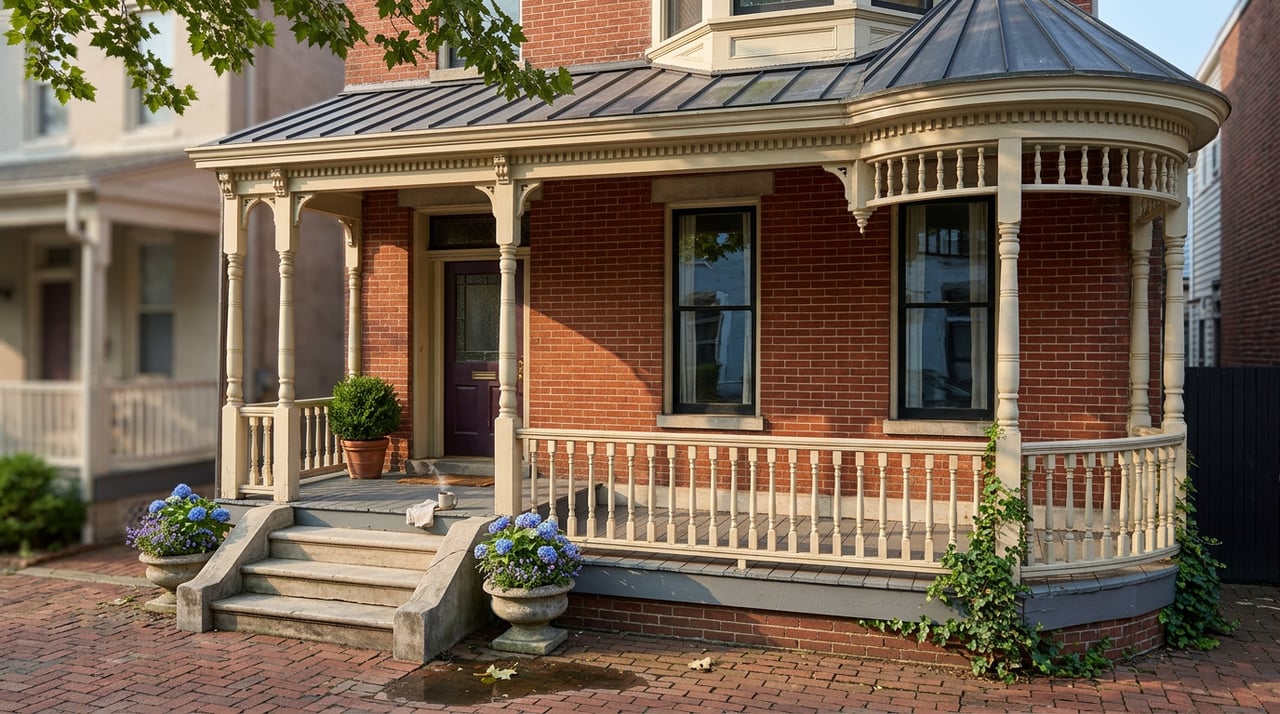
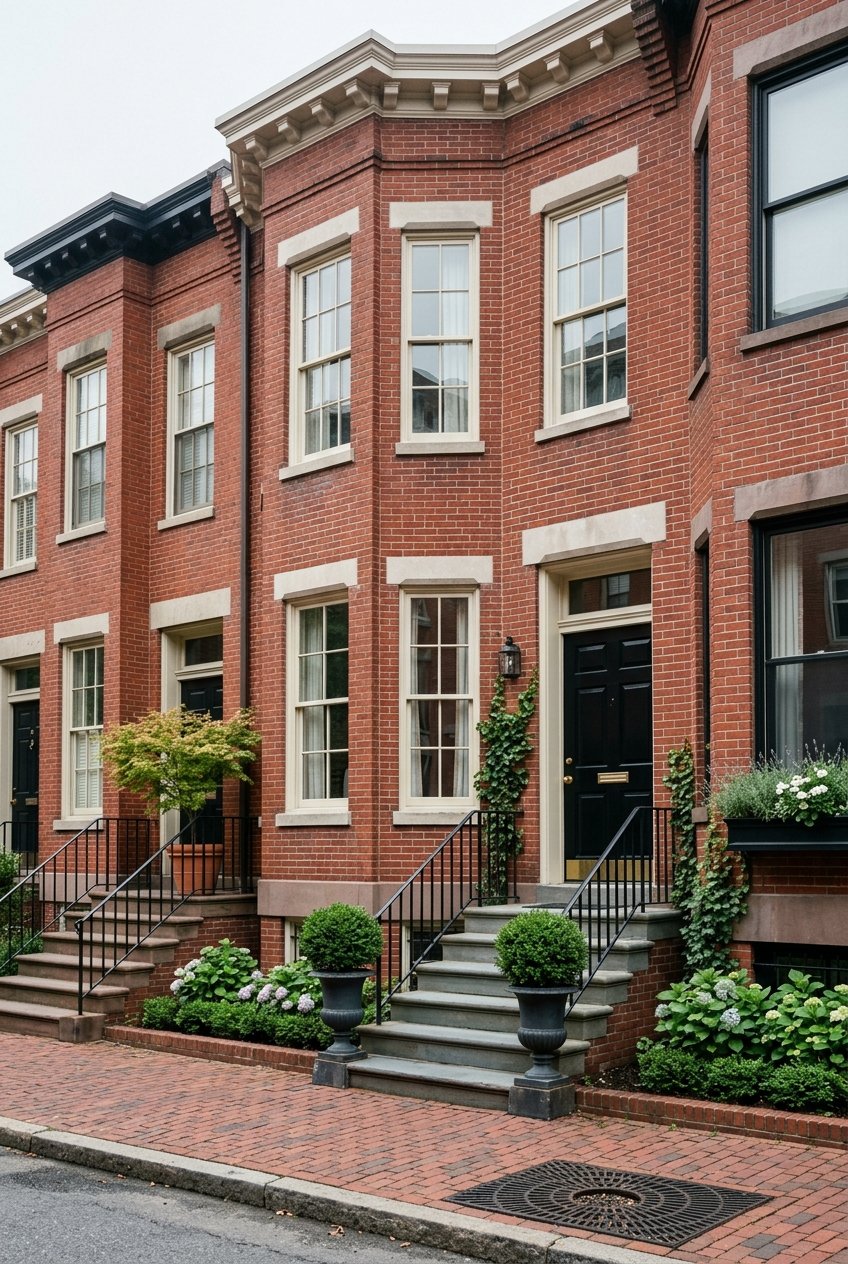
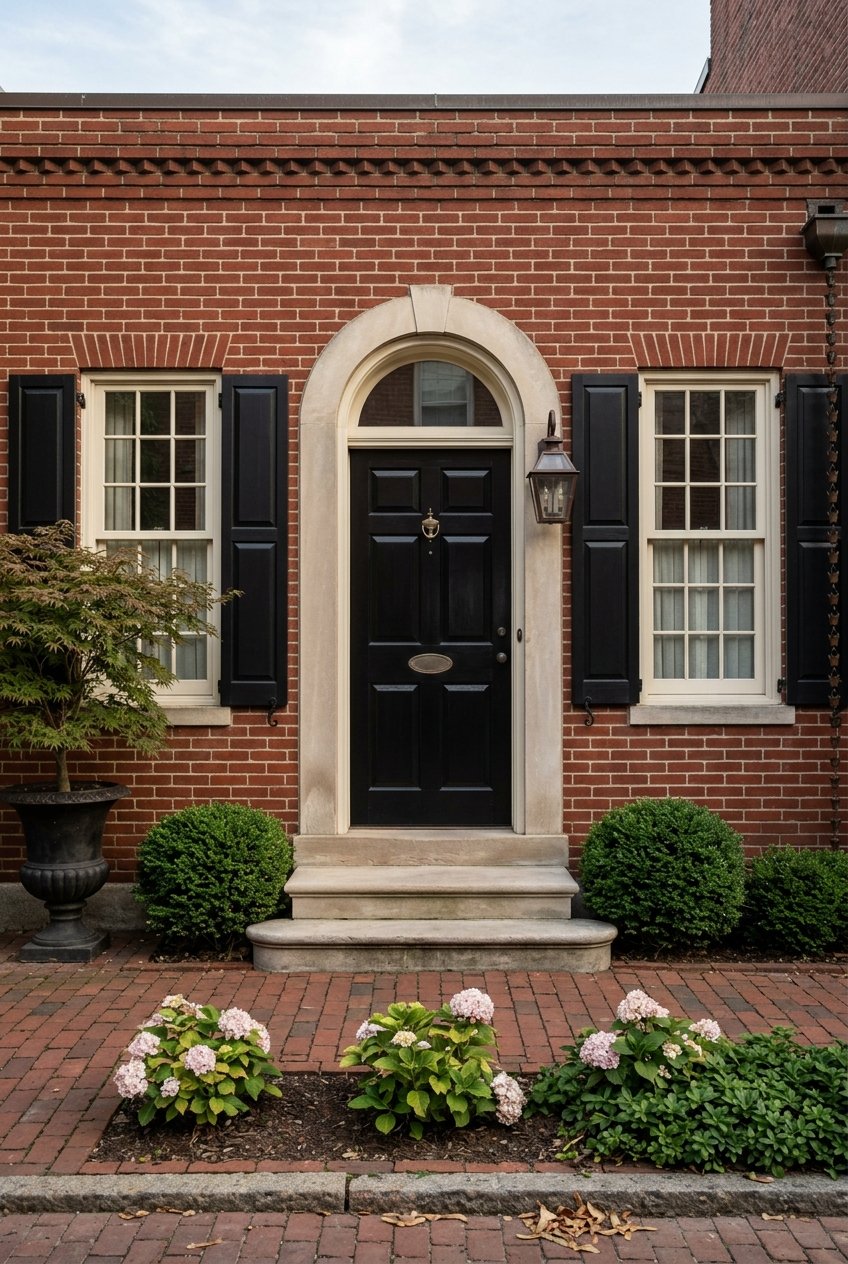
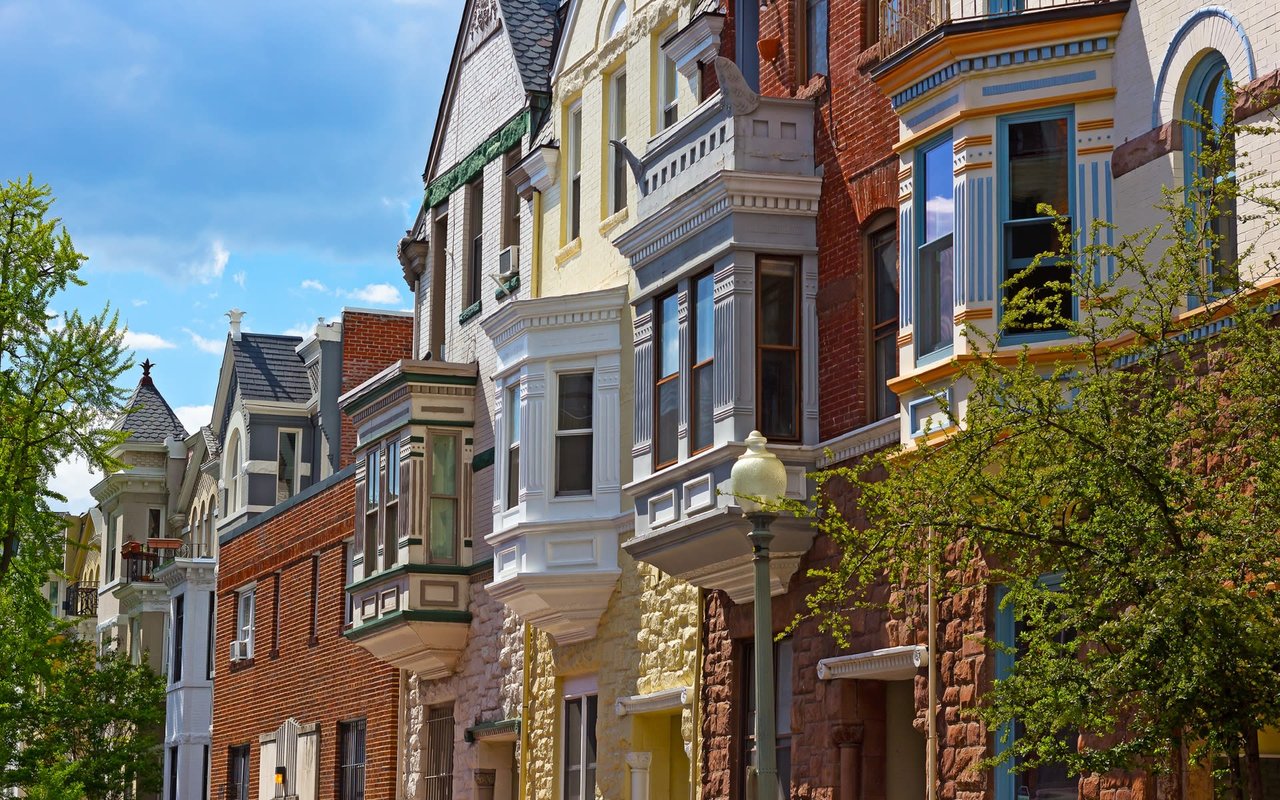
In Chevy Chase, one of the clearest visual contrasts is between Connecticut Avenue and the surrounding residential streets. The side streets include detached houses and duplexes across subdivisions such as Chevy Chase DC, Chevy Chase Heights, Chevy Chase Terrace, Chevy Chase Grove, Connecticut Avenue Park, and Connecticut Avenue Terrace.
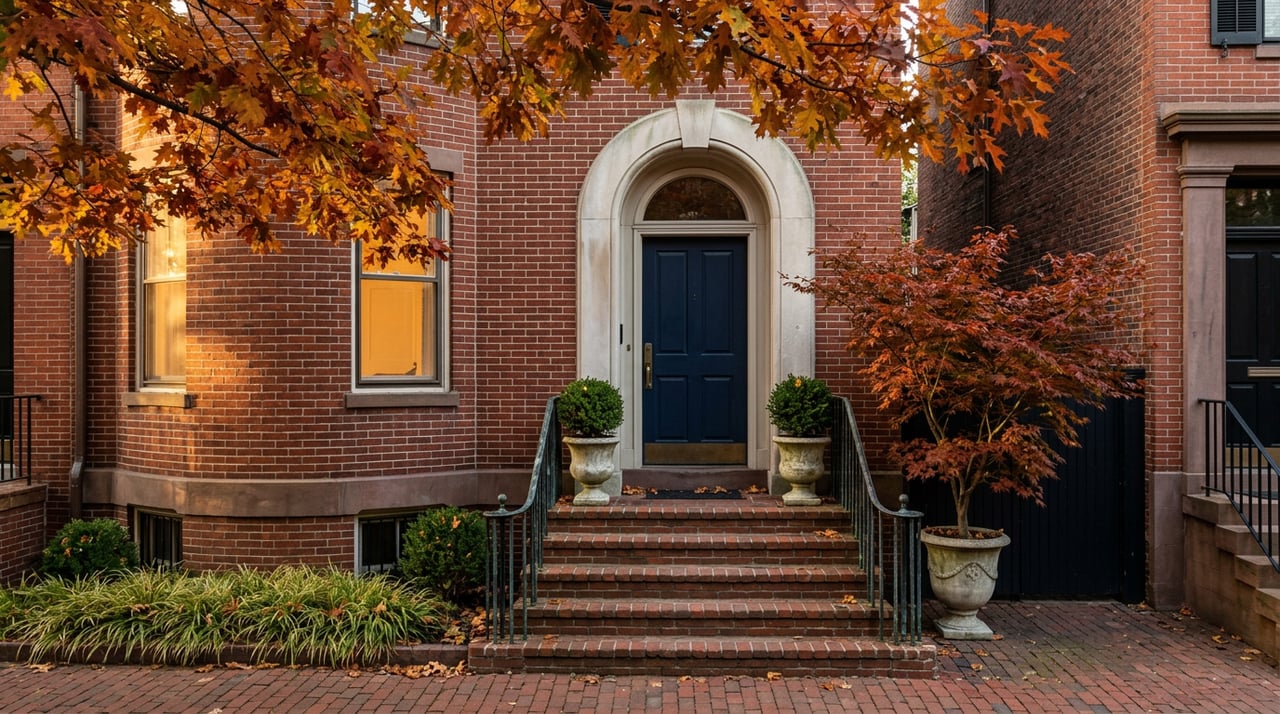
Much of the housing dates from the 1900s through the 1940s. That gives the neighborhood a sense of architectural continuity, even though individual homes can vary in style and scale.
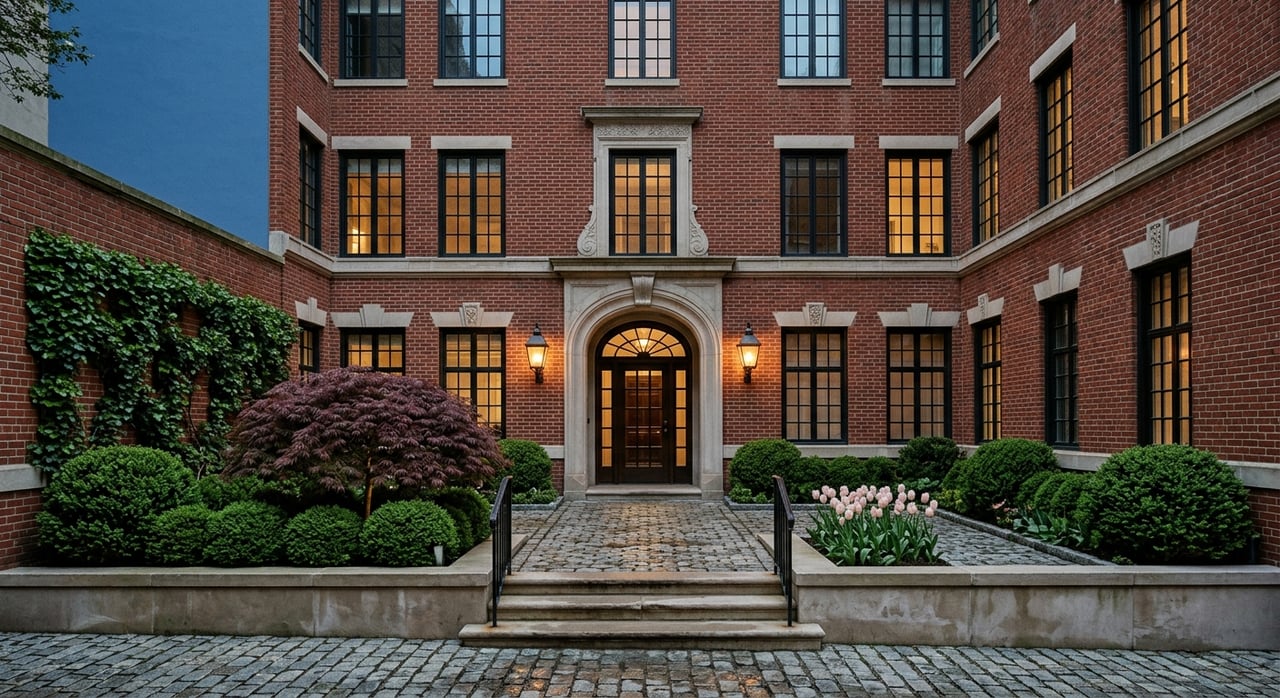
If you value a neighborhood with a more recognizable historic residential pattern, Chevy Chase often stands out. Its planned domestic architecture and established streetscape create a cohesive look many buyers appreciate.
Chevy Chase daily amenities
Connecticut Avenue is central to daily life in Chevy Chase. The corridor has long included grocery stores, hardware stores, banks, restaurants, clothing stores, specialty shops, recreational and art studios, a theater, a community center, and a library.
Two key civic anchors are the Chevy Chase Library at 5625 Connecticut Avenue NW and the Chevy Chase Community Center at 5601 Connecticut Avenue NW. The current community center includes spaces such as a dance studio, fencing room, pottery studio, woodworking shop, and outdoor recreation space.
The library and community center site is also in the process of redevelopment. Plans call for a new library, a new community center, and affordable housing on the site.
Another local landmark is the Avalon Theatre at 5612 Connecticut Avenue NW. It adds a familiar neighborhood destination just south of Chevy Chase Circle and reinforces the avenue’s role as a community hub.
Forest Hills neighborhood character
Forest Hills developed more gradually than Chevy Chase. Instead of a single planned pattern, the neighborhood evolved through large-lot estate houses, later infill, and streets shaped by stream valleys and changing terrain.
That development pattern gives Forest Hills a different feel. It tends to read as more layered, less uniform, and more topographically varied than neighborhoods built around a clearer suburban template.
For buyers who enjoy architectural range and a sense of organic growth, Forest Hills can feel especially compelling. The neighborhood offers a quieter residential atmosphere while still connecting well to upper Connecticut Avenue.
Forest Hills housing feel
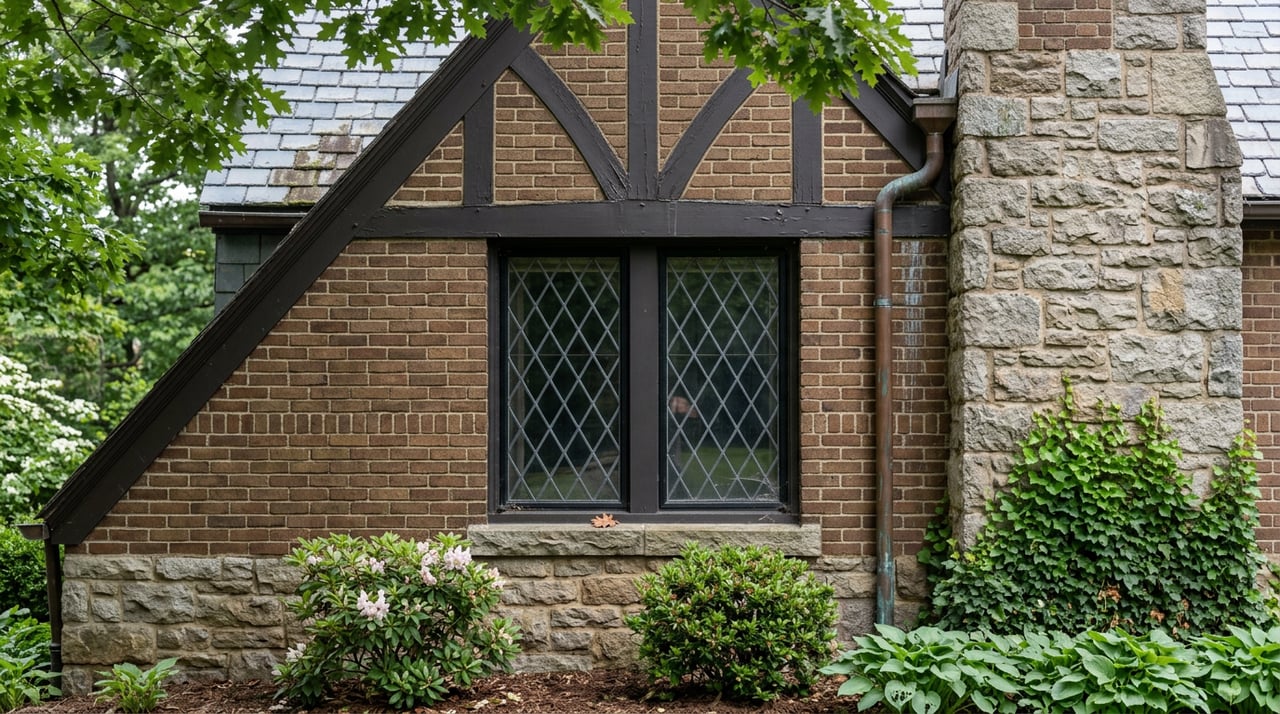
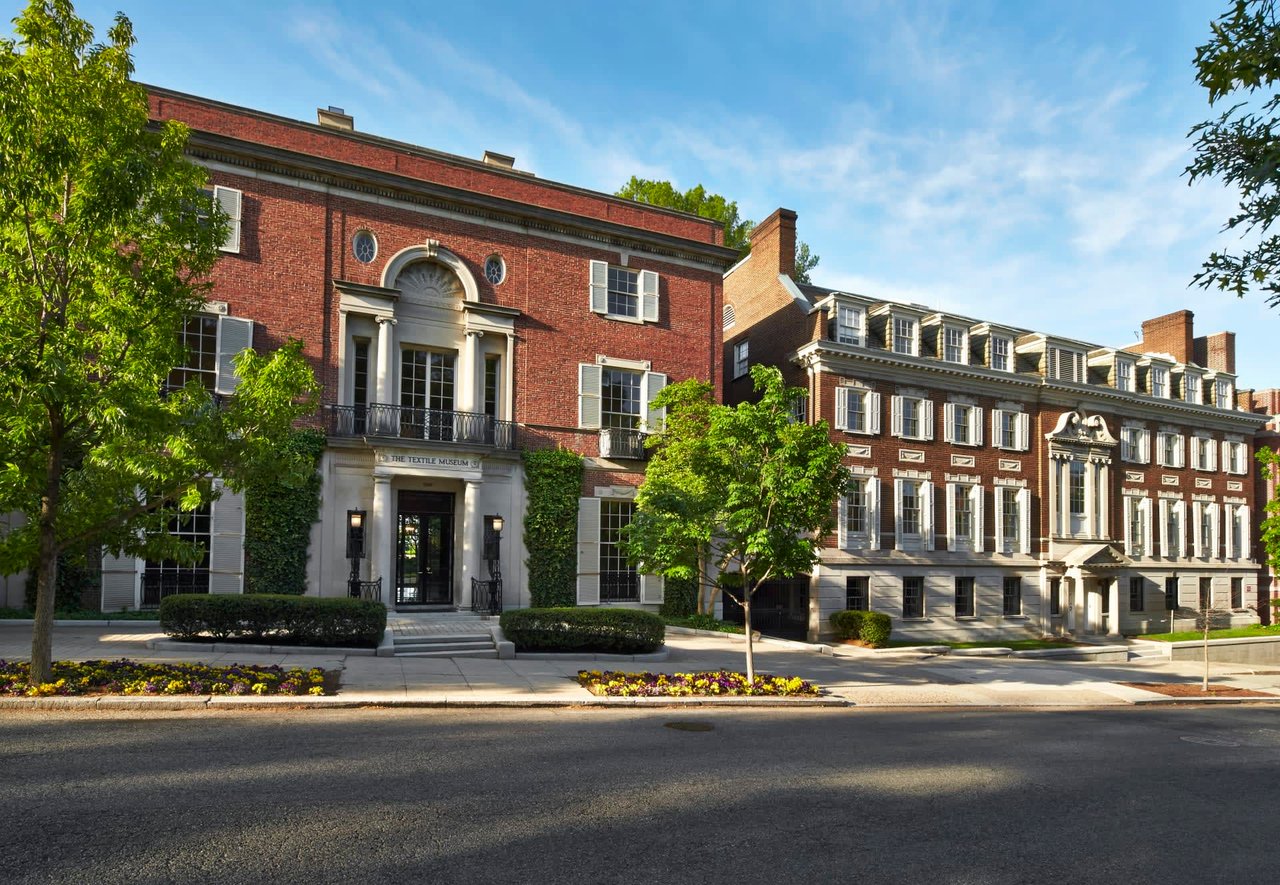
Forest Hills includes a broad mix of building types and architectural styles. According to the Ward 3 heritage guide, the neighborhood ranges from single-family homes to office buildings, with styles spanning from Victorian to Modern.
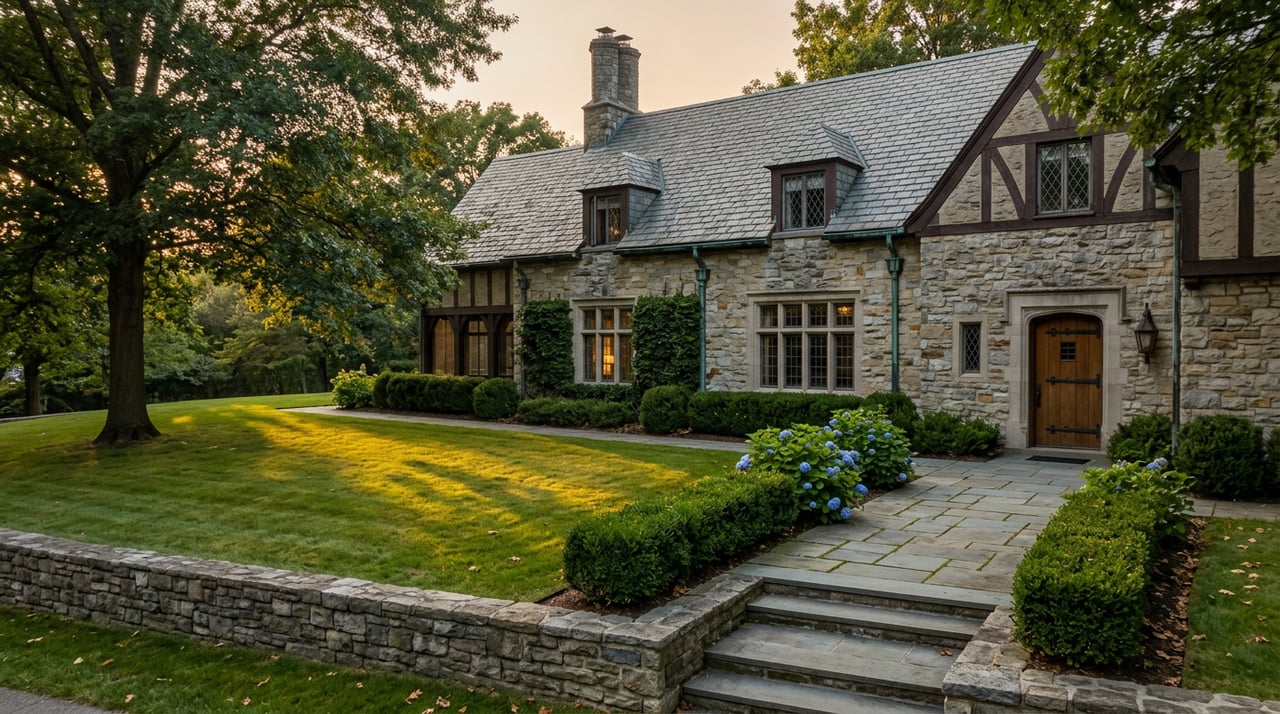
Its housing story stretches across a longer timeline than a single-period enclave. Early estate houses, later 1920s homes, and mid-century modern examples all contribute to that layered character.
This makes Forest Hills a good neighborhood to explore carefully in person. Block by block, the experience can shift more than it does in a more uniform neighborhood.
Forest Hills daily amenities
Forest Hills is connected to the upper Connecticut Avenue and Van Ness corridor rather than relying on a dense retail strip of its own. In practical terms, many daily needs are met through nearby businesses and services along that broader corridor.
Van Ness, Forest Hills, and Wakefield are described as a retail and dining node with proximity to Rock Creek Park and a transit-oriented business community. That gives Forest Hills residents access to shops, dining, and services without requiring the neighborhood itself to function as a traditional main street.
Nearby cultural anchors add another layer to the area. Politics and Prose at 5015 Connecticut Avenue NW and Levine Music’s Northwest DC campus at 2801 Upton Street NW help give the area a strong arts and literary presence.
Parks and outdoor access
For both neighborhoods, Rock Creek Park is one of the biggest lifestyle advantages. It is more than just a nearby park. It is a major open-space system that shapes the feel of this part of Northwest DC.
The park was officially authorized in 1890 and now includes 99 pieces of land. With more than 30 miles of hiking trails, it offers meaningful access to nature, exercise, and quiet green space within the city.
If outdoor access matters to you, both Chevy Chase and Forest Hills deliver. The difference is less about whether you have access and more about how that access fits into your preferred neighborhood setting.
Getting around from each neighborhood
Transit and daily connectivity are strong points for both neighborhoods. Each benefits from Connecticut Avenue bus service and access to Red Line Metro stations.
In Chevy Chase, nearby transit options include Friendship Heights, Tenleytown-AU, and Van Ness-UDC, depending on your exact location. The Avalon Theatre also notes access from Friendship Heights, along with E4 and L2 bus service.
In Forest Hills, the neighborhood is bracketed by Red Line stations along Connecticut Avenue. Van Ness-UDC and Cleveland Park are the key nearby stations, which gives residents flexibility rather than dependence on a single transit stop.
For many buyers, that flexibility matters. Whether you are commuting, meeting clients, or simply trying to keep day-to-day life efficient, both neighborhoods offer strong access by Northwest DC standards.
Chevy Chase vs. Forest Hills
If you are deciding between the two, it helps to think in terms of rhythm and streetscape as much as price or square footage. These neighborhoods share greenery, park access, and Connecticut Avenue connectivity, but they do not feel interchangeable.
| Feature | Chevy Chase | Forest Hills |
|---|---|---|
| Development pattern | Planned streetcar suburb | Gradual, terrain-shaped growth |
| Main identity | Connecticut Avenue-centered | Residential enclave tied to Van Ness corridor |
| Housing feel | More cohesive early 20th-century pattern | More layered mix across eras |
| Streetscape | Residential side streets plus active avenue | Varied streets shaped by topography |
| Amenity style | Strong neighborhood commercial spine | Access through nearby corridor amenities |
Chevy Chase may appeal to you if you want a neighborhood with a clearer center of gravity. Forest Hills may appeal more if you prefer a quieter, more varied residential setting with a wider architectural range.
Which neighborhood may fit your goals?
If you are drawn to established residential blocks with a well-defined commercial corridor, Chevy Chase offers a very practical mix. Its side streets and Connecticut Avenue spine make it easy to understand how the neighborhood works day to day.
If you are looking for a more nuanced residential setting, Forest Hills can offer that. Its architecture, terrain, and connection to the Van Ness area create a neighborhood experience that feels less uniform and often more tucked away.
For either neighborhood, the real difference often comes down to the specific block, home type, and how you want your daily routine to feel. In Northwest DC, those details matter, especially in neighborhoods with strong identity and distinct housing stock.
When you are evaluating Chevy Chase or Forest Hills, local context matters as much as the listing itself. The right guidance can help you weigh architecture, location, transit access, and neighborhood character with much more confidence. If you are considering a move in Northwest DC, the Hagen Bergstrom Team offers the kind of experienced, discreet neighborhood insight that helps buyers and sellers make smart decisions.
FAQs
What is the main difference between Chevy Chase and Forest Hills in DC?
- Chevy Chase is more centered on Connecticut Avenue as a commercial spine, while Forest Hills feels more varied and residential, with streets shaped by terrain and gradual development.
What types of homes are common in Chevy Chase, DC?
- Chevy Chase includes detached houses and duplexes, with much of the housing dating from the 1900s through the 1940s.
What types of homes are common in Forest Hills, DC?
- Forest Hills has a wider architectural range, including early estate houses, later 1920s homes, and mid-century modern examples.
Does Chevy Chase, DC have good local amenities?
- Yes. Connecticut Avenue serves as a key amenity corridor with shops, restaurants, civic spaces, the Avalon Theatre, the Chevy Chase Library, and the Chevy Chase Community Center.
Does Forest Hills, DC have access to shops and dining?
- Yes. Forest Hills is closely tied to the upper Connecticut Avenue and Van Ness corridor, which provides retail, dining, and cultural destinations.
How close are Chevy Chase and Forest Hills to Rock Creek Park?
- Both neighborhoods benefit from close access to Rock Creek Park, a large open-space system with nearly 3,000 acres and more than 30 miles of hiking trails.
What Metro access is available near Chevy Chase and Forest Hills?
- Chevy Chase has access to nearby stations such as Friendship Heights, Tenleytown-AU, and Van Ness-UDC, while Forest Hills is served by nearby Van Ness-UDC and Cleveland Park stations along the Red Line.