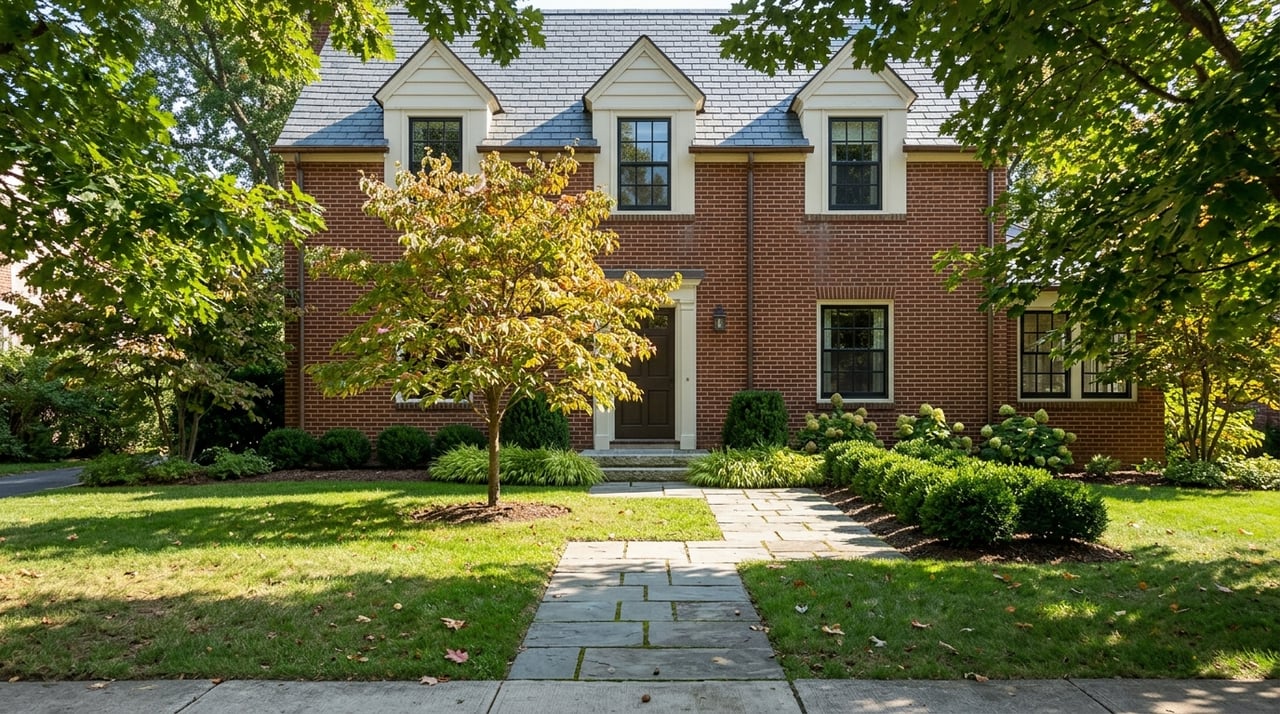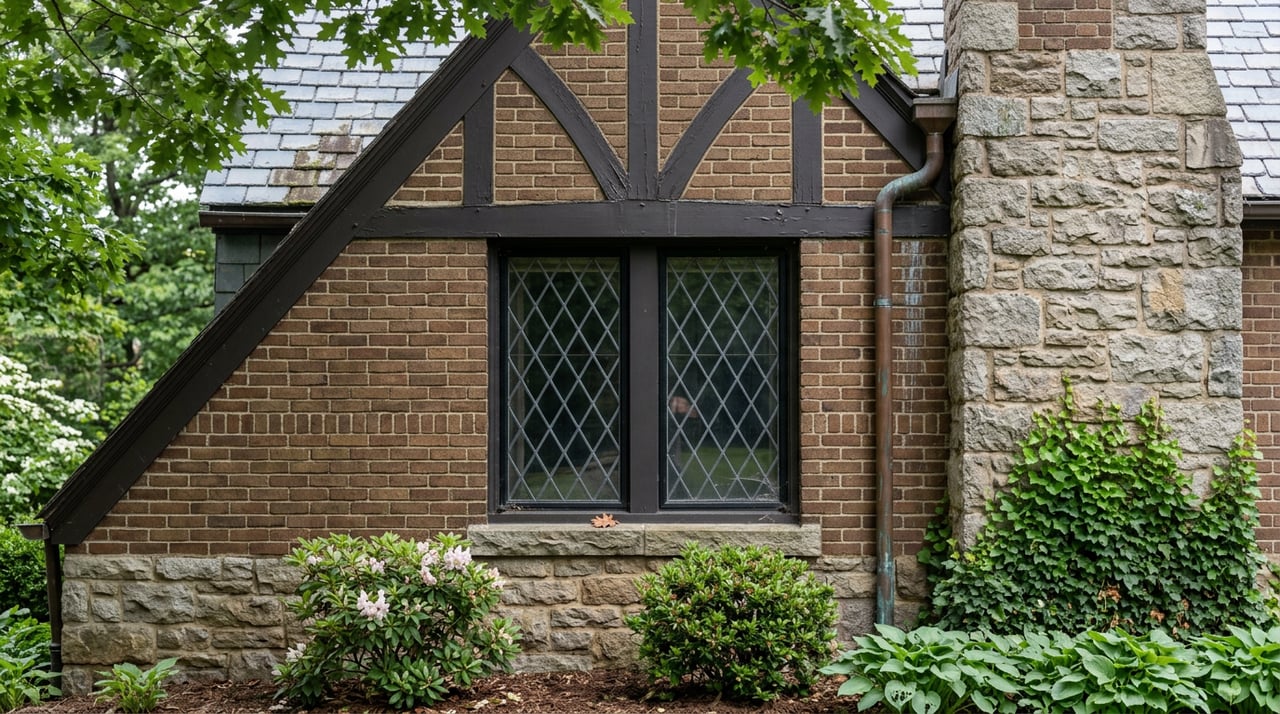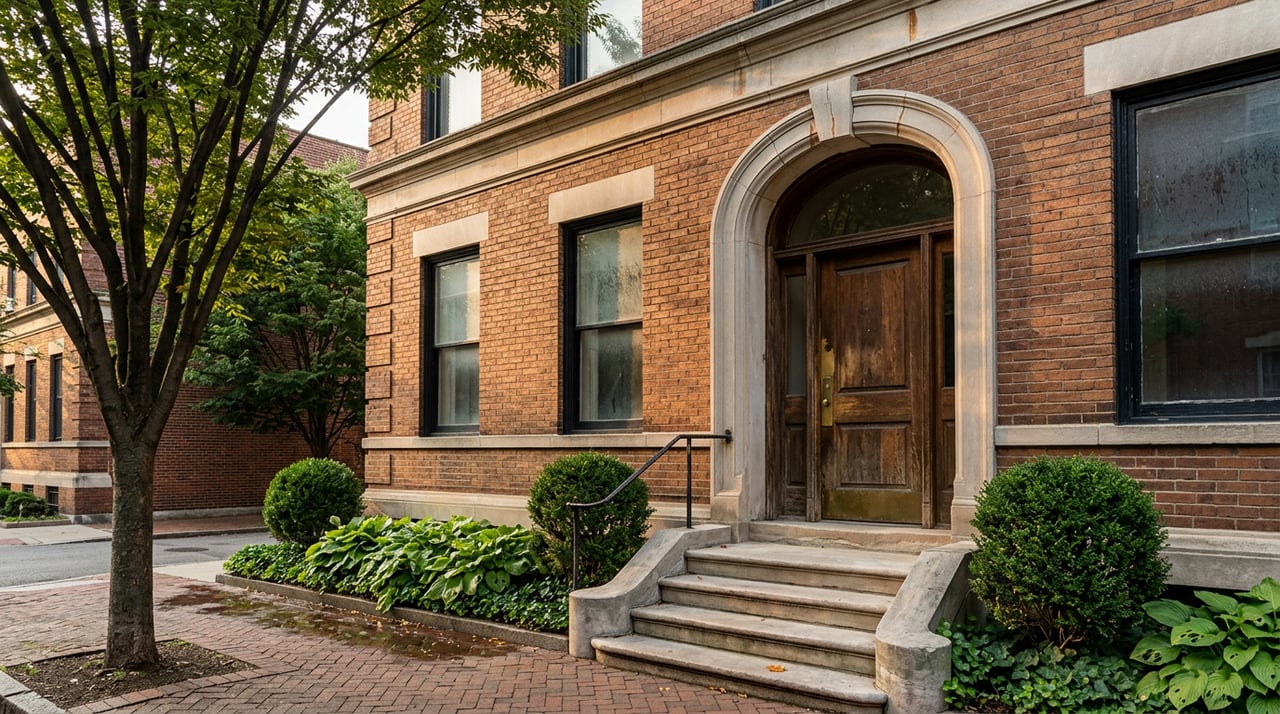
Wondering what your historic Kalorama home is really worth? In this part of Washington, a price opinion is rarely as simple as checking a neighborhood average or glancing at your tax assessment. If you own a distinctive property in Kalorama, you need a pricing strategy that reflects the right submarket, the right comps, and the realities of historic-home preparation. Let’s dive in.
Start With the Right Kalorama
One of the biggest pricing mistakes in Kalorama is treating the whole area as a single market. In reality, Sheridan-Kalorama and Kalorama Triangle are two different pricing environments with different housing stock, streetscapes, and buyer expectations.
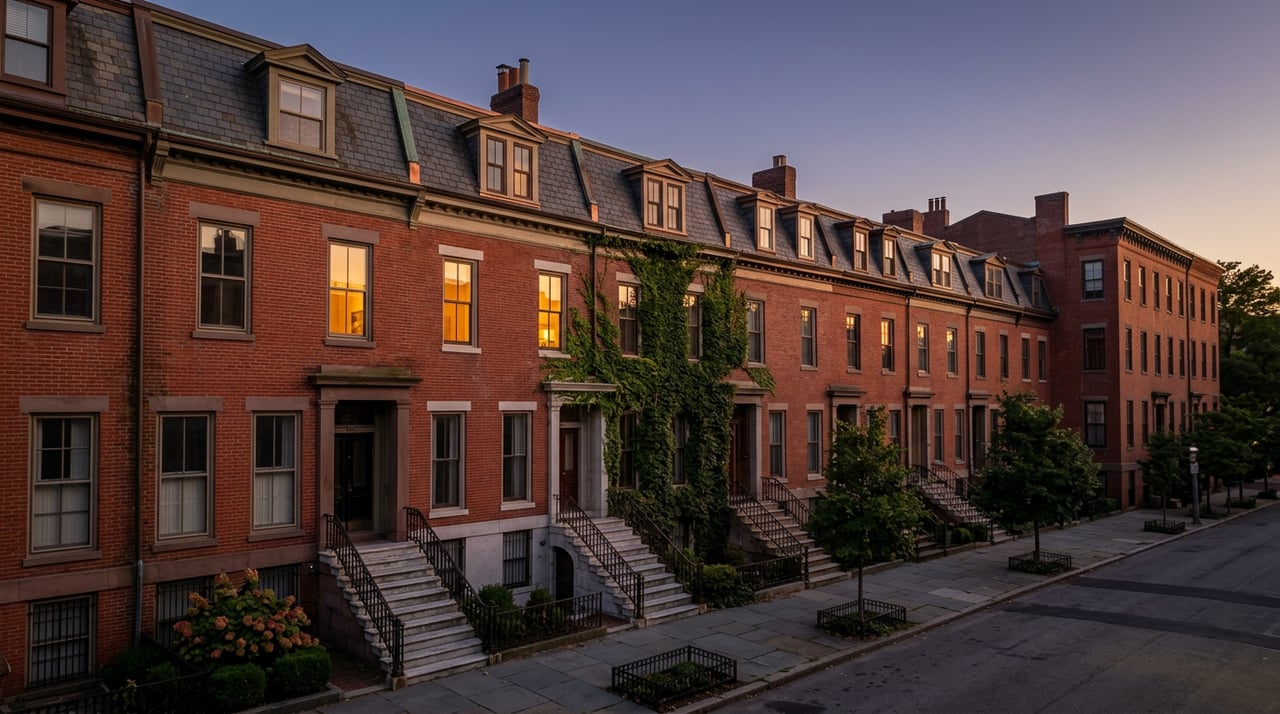
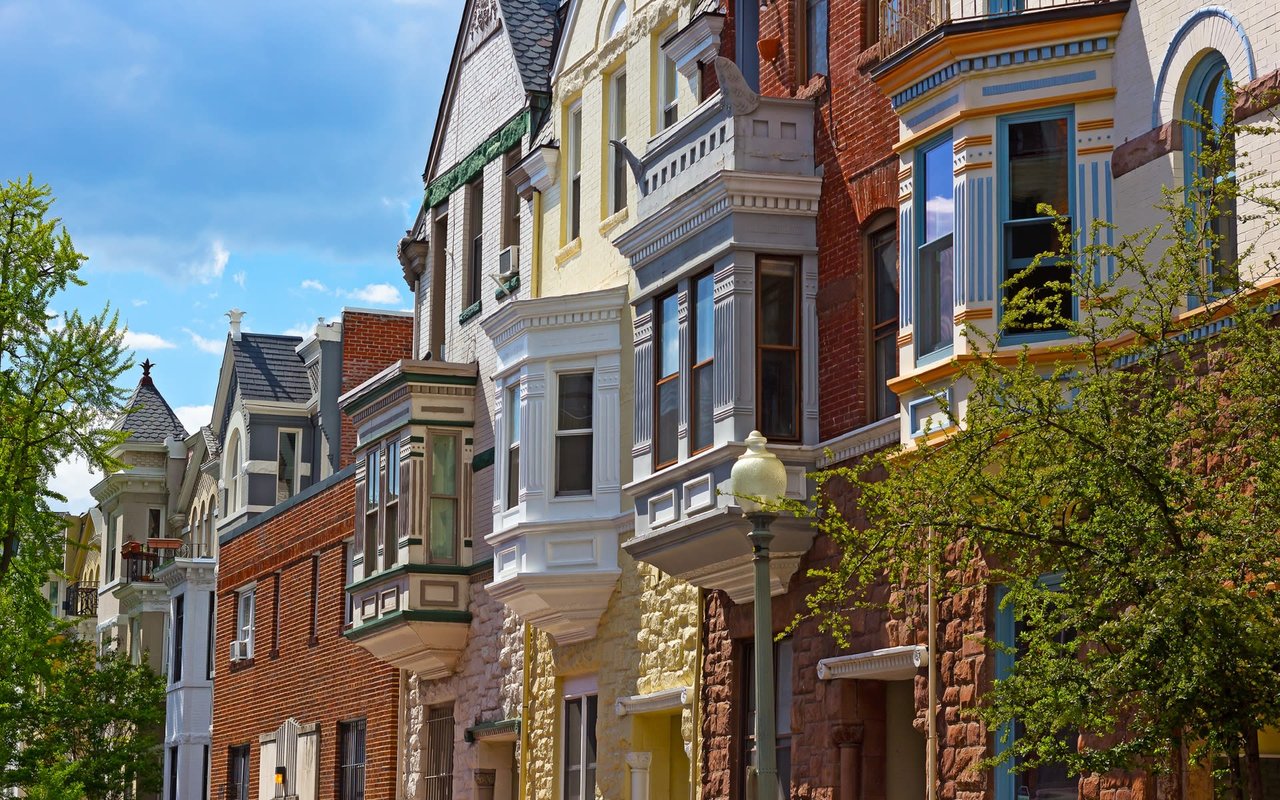
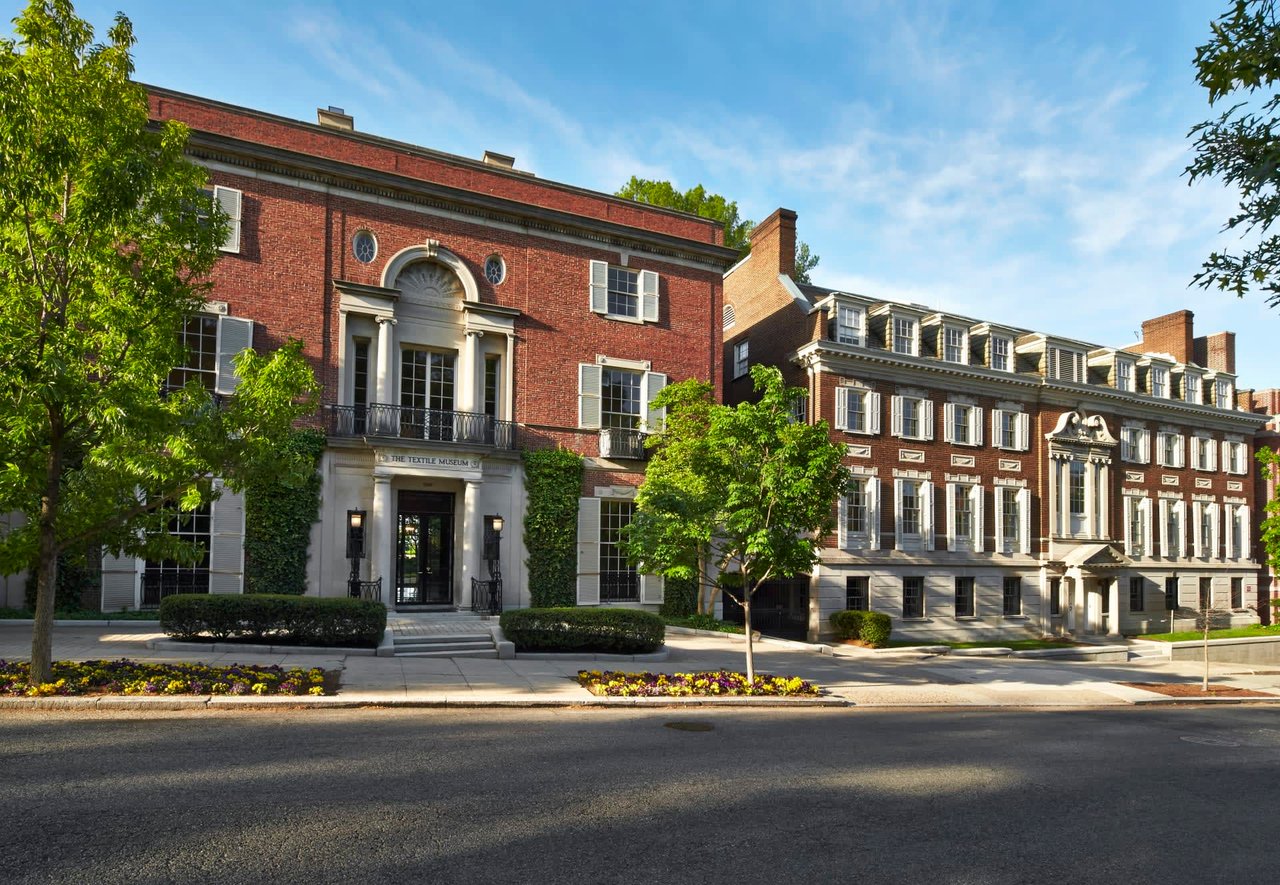
Sheridan-Kalorama was designated as a historic district in 1989 and includes 610 historic buildings. It is known for larger lots, a strong presence of free-standing houses, and many embassies and chanceries. Kalorama Triangle was designated in 1987 and includes 353 historic buildings, with a housing mix that is almost entirely residential and shaped more by attached rowhouses, apartment buildings, and streetcar-era development.
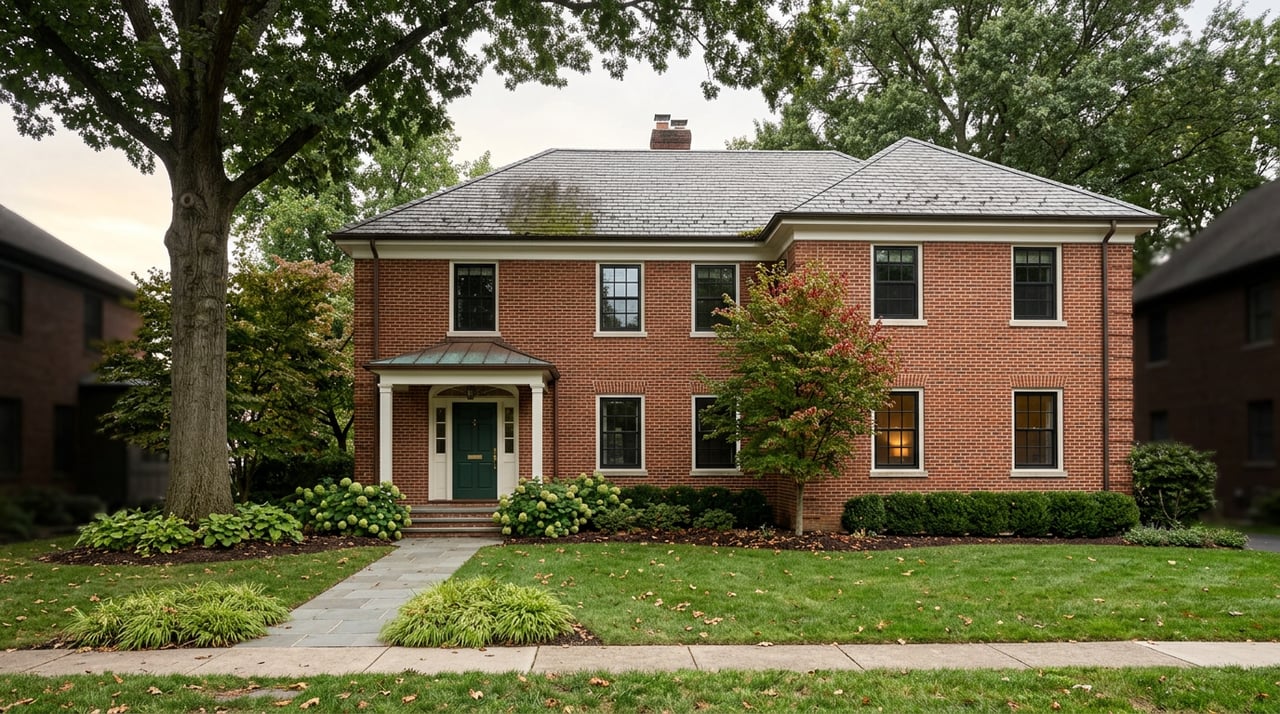
That distinction matters immediately when you price a home. A detached house on Wyoming Avenue or S Street should not be measured against a Kalorama Triangle condo or rowhouse without major adjustment. In most cases, your first comp filter should be historic sub-district and building type, not just the word “Kalorama.”
Match Your Home to the Right Comp Set
Historic homes in Kalorama often fall outside the usefulness of broad neighborhood medians. Recent sales in both districts include condos, co-ops, townhouses, attached houses, and detached homes, which can blur the pricing signal for a one-of-a-kind property.
For a unique house, the strongest comp set is usually short and selective. You want recent sales that resemble your home in four core ways:
- Historic district
- Building form and era
- Condition and quality of updates
- Location within the neighborhood
This is especially important in a market where sales can vary widely even within the same district. In Sheridan-Kalorama, recent examples ranged from $1.495 million for 2143 Newport Place NW to $1.925 million for 2141 N Street NW, while another nearby home at 2132 Newport Place NW sold for $1.525 million. In Kalorama Triangle, recent sales included 2021 Q Street NW at $2.1 million and 2012 Hillyer Place NW at $3.2 million.
Those numbers do not tell you that one section is always worth more than another. They show how much property type, size, condition, and presentation can shape price even inside a small geographic area.
Historic Status Affects Value and Timing
In Kalorama, pricing is not just about what your house looks like today. It is also about what can realistically be changed before listing.
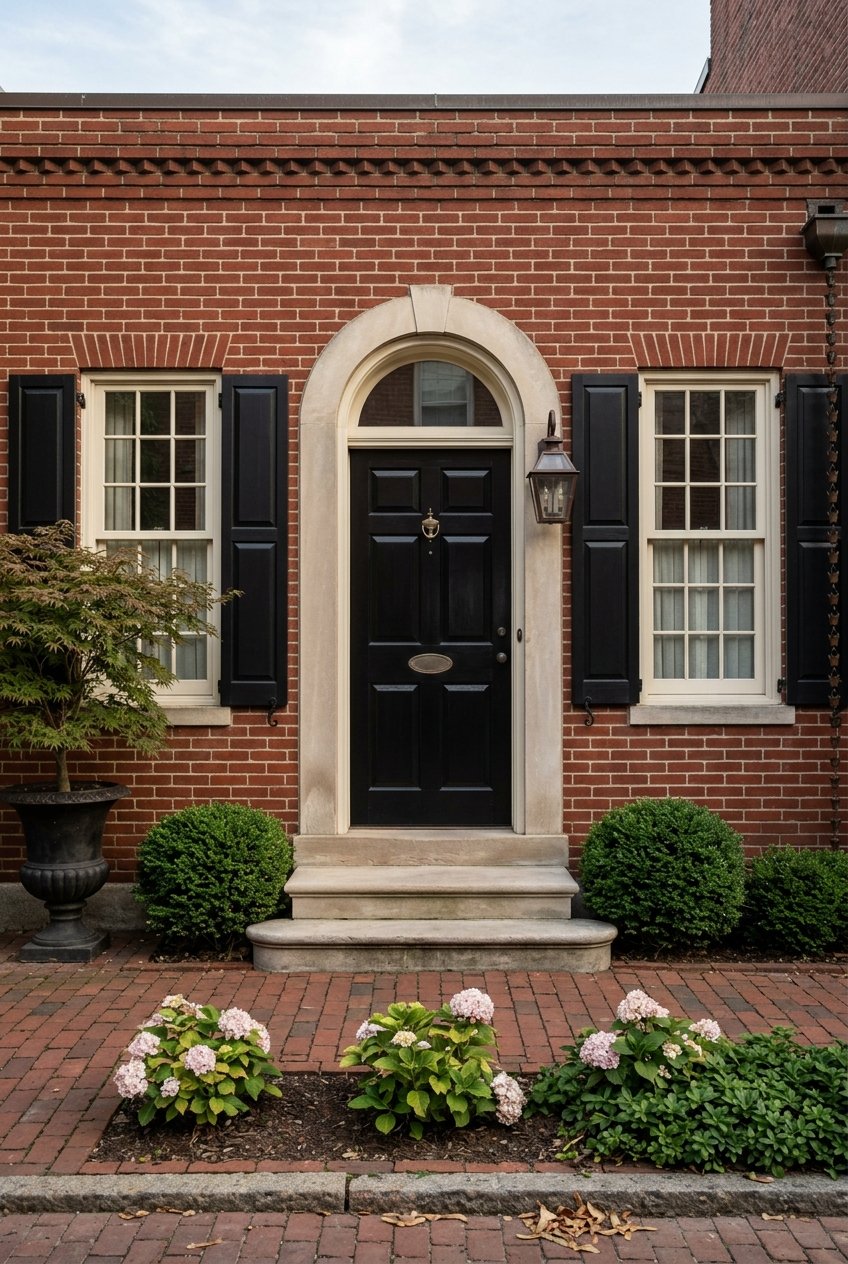
According to the District’s Historic Preservation Office, historic properties need clearance whenever a building permit is required for work affecting the exterior appearance of the property. Major additions, front alterations, visible roof decks, demolition, and major site work require review by the Historic Preservation Review Board. Some smaller items, such as in-kind repairs and minor alterations, may be handled administratively, while interior work and ordinary maintenance generally are not subject to preservation review.
For sellers, this changes the pricing conversation in practical ways. If a buyer sees deferred exterior work, they may not only think about cost. They may also factor in review timelines, design limits, and approval uncertainty. That can affect both perceived value and marketability.
Think Beyond Condition Alone
In many neighborhoods, sellers focus on the usual checklist of updates, paint, staging, and repairs. Those steps still matter here, but in Kalorama, historic restrictions and feasibility can be just as important as the work itself.
Before setting a price, it helps to ask:
- Which exterior improvements are actually allowed?
- Which repairs can be completed before listing?
- Which visible issues are better disclosed and priced in?
- Will a proposed change require extra review time?
This is one reason pricing a historic home often takes more strategy than pricing a newer property. The right list price should reflect not only the home’s current condition, but also the buyer’s likely view of what comes next.
Use Tax Assessment Carefully
Owners sometimes look to the District’s assessed value for guidance. The D.C. Office of Tax and Revenue says a property assessment is an estimated market value that is updated on an annual cycle, and owners can review tax records and area sales information through OTR.
That makes the assessment a useful reference point, but not a pricing answer. Assessments can help you sense whether your eventual list price is broadly in line with public valuation trends, but they should not replace a current, comp-based pricing analysis.
In a neighborhood like Kalorama, where architecture, lot characteristics, and historic status can vary so sharply from one property to the next, a tax record is simply too blunt an instrument on its own.
Read Market Snapshots With Caution
Broad market numbers can provide context, but they need careful interpretation. In April 2026, Washington, DC posted a median sold price of $661,500, with 2,760 active listings, an average of 50 days on market, and a 96.5% sold-to-list ratio.
At the neighborhood level, Sheridan-Kalorama’s three-month snapshot ending in April 2026 showed a median sale price around $1.66 million to $1.7 million, with homes averaging 23 days on market and 10 sales in April. Another March 2026 snapshot showed 15 homes for sale, a median list price of $2.52 million, a 99% sale-to-list ratio, and homes selling about 1.31% below asking.
The gap between those numbers does not mean one source is wrong. It reflects different time windows and different property mixes. For a historic Kalorama house, the safest use of these figures is to understand market direction, not to treat them as a direct pricing formula.
The Features That Move Price Most
Some value drivers in Kalorama are hard to replicate, which is why they matter so much. The local factors that often have the strongest pricing impact include:
- Documented provenance
- Architectural pedigree
- Quality of restoration
- Lot size
- View orientation
- Topography and elevation
- Outdoor space
- Parking
- Privacy
- Proximity to embassies or institutions
Sheridan-Kalorama is widely associated with grand Victorian townhomes, stand-alone mansions, and a strong diplomatic presence. Official district materials also note the neighborhood’s ties to prominent residents and historically significant homes.
That does not mean every older house deserves a premium simply because it has a story. Documented provenance tends to matter most when condition, presentation, and buyer appeal are equally strong. If the house shows beautifully and its history is well supported, the story can deepen demand. If not, the market may treat that history as interesting but secondary.
Views, Topography, and Setting Matter
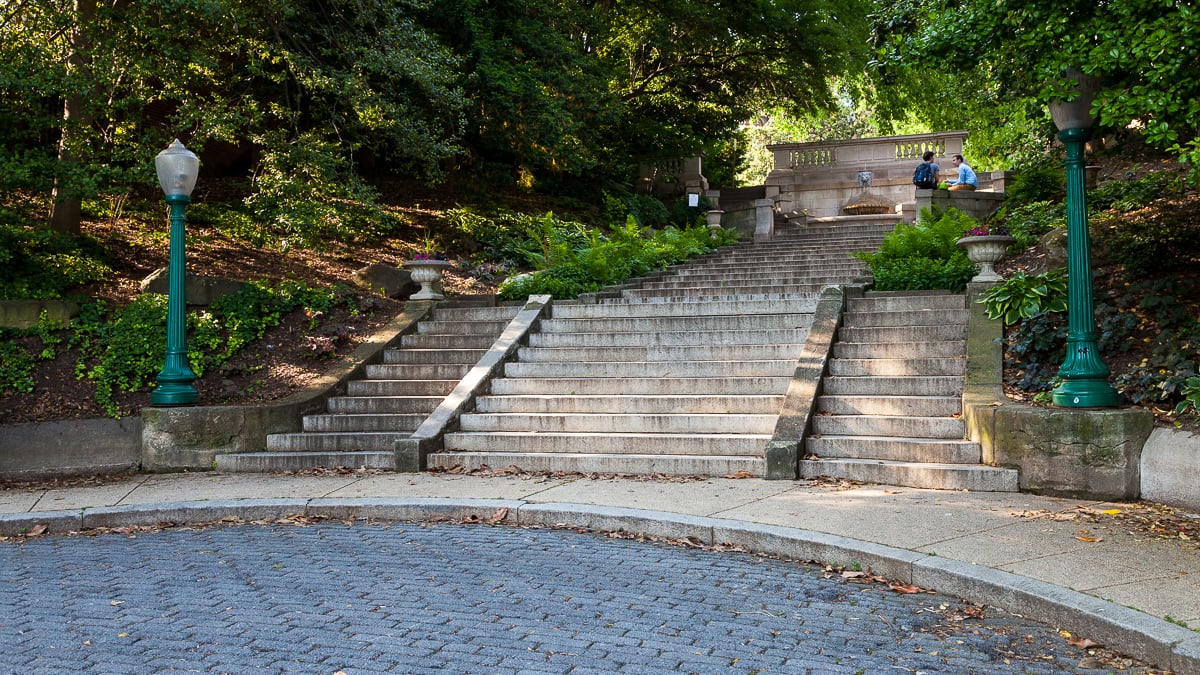
Kalorama’s very name is linked to the idea of a beautiful view, and official district materials repeatedly emphasize hilly terrain, city views, and notable streetscapes. That makes setting a real pricing factor, not just a lifestyle bonus.
Two houses with similar square footage can perform differently if one has a stronger outlook, more privacy, better light, or more usable outdoor space. Elevation and orientation can also influence how a property feels from inside, especially in formal rooms and entertaining spaces.
In a neighborhood known for architectural presence, buyers often respond to the full setting of a home, not just the floor plan. That is why site position and outlook deserve thoughtful adjustment during pricing.
Ask Four Key Pricing Questions
If you are preparing to sell in the next 12 to 24 months, a smart pricing conversation usually comes down to four questions:
- Which historic district applies to your property?
- Which building type defines the right comp universe?
- What exterior work is realistically allowed before listing?
- Which recent sales truly resemble your home?
These questions help narrow the gap between a hopeful number and a market-supported price. In Kalorama, success is often less about chasing a broad neighborhood median and more about matching the right micro-market to the right buyer.
Why Precision Matters in Kalorama
Pricing a historic home well is part analysis and part judgment. You need the facts of the market, but you also need a clear read on architectural significance, preservation considerations, property presentation, and buyer expectations within the specific block or district.
That is especially true in a neighborhood where detached houses, embassy-adjacent properties, rowhouses, co-ops, and condos can all trade under the same broader place name while appealing to very different buyers. The more distinctive the home, the more tailored the pricing strategy should be.
When that strategy is done well, it protects both value and momentum. You avoid chasing the market from above, and you reduce the risk of leaving money on the table by pricing too conservatively.
If you are considering a sale and want a thoughtful, discreet opinion on how your historic Kalorama home should be positioned, the Hagen Bergstrom Team brings deep neighborhood knowledge and long experience with distinctive Washington properties.
FAQs
How should you price a historic home in Kalorama?
- Start with the correct submarket, then use comparable sales that match the home’s district, building type, era, condition, and location rather than relying on broad neighborhood averages.
What is the difference between Sheridan-Kalorama and Kalorama Triangle for pricing?
- Sheridan-Kalorama generally includes larger lots, more free-standing houses, and embassy presence, while Kalorama Triangle is more residential with attached houses and apartment buildings, so the two areas should not be priced as one market.
Does historic designation affect how you prepare a Kalorama home for sale?
- Yes. In DC, exterior work that requires a permit may also require Historic Preservation Office clearance, and larger visible changes can require additional review, which can affect both timing and pricing.
Should you use a DC tax assessment to price a Kalorama property?
- A tax assessment can be a useful cross-check, but the District says it is an estimated market value on an annual cycle, so it should not replace a current comp-based pricing opinion.
What features add the most value to a historic Kalorama home?
- Important factors often include architectural pedigree, quality of restoration, documented provenance, lot size, views, topography, parking, privacy, and proximity to embassies or institutions.
Why can two historic homes in Kalorama have very different values?
- Values can differ based on sub-district, building type, square footage, condition, lot characteristics, presentation, and whether the home offers features like views, privacy, or notable architectural detail.