Wondering whether a Kalorama co-op or condo is the better fit for you? In this part of Washington, the answer often depends less on the label and more on the building itself, its rules, its finances, and the kind of ownership experience you want. If you are considering a purchase here, it helps to know how Kalorama’s historic building stock, approval processes, and monthly costs can shape your search. Let’s dive in.
Why Kalorama Feels Different
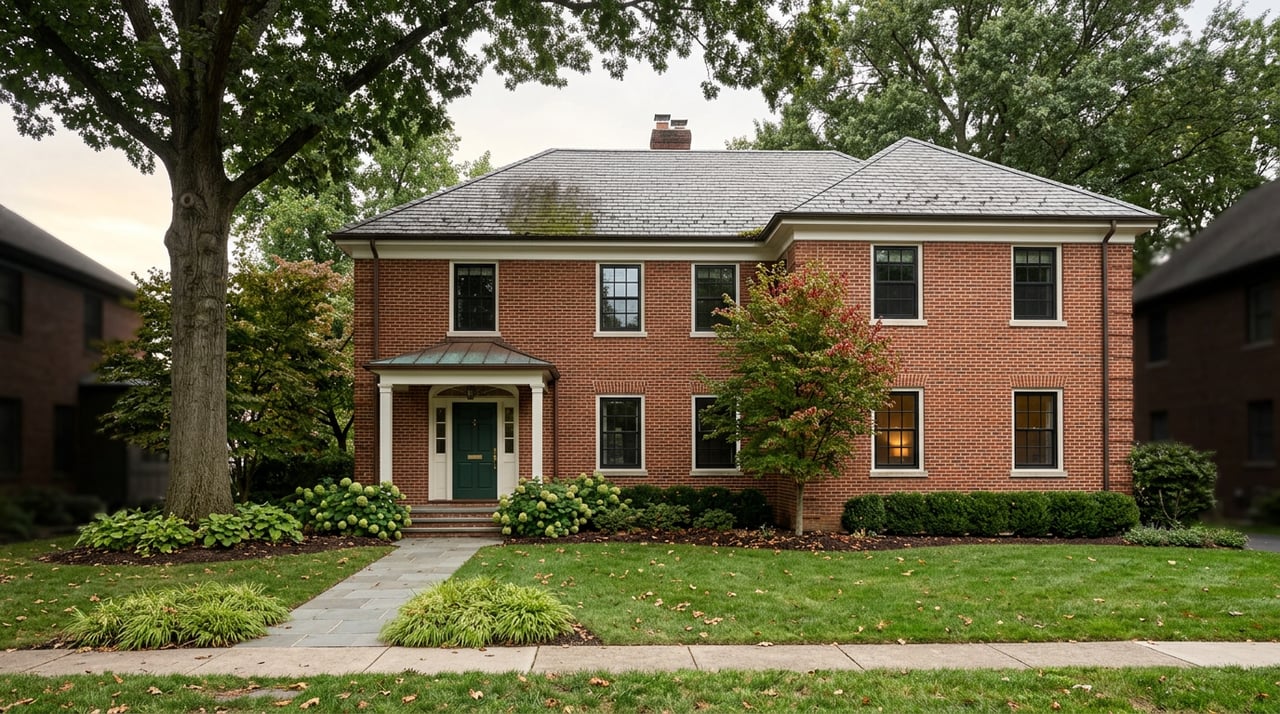
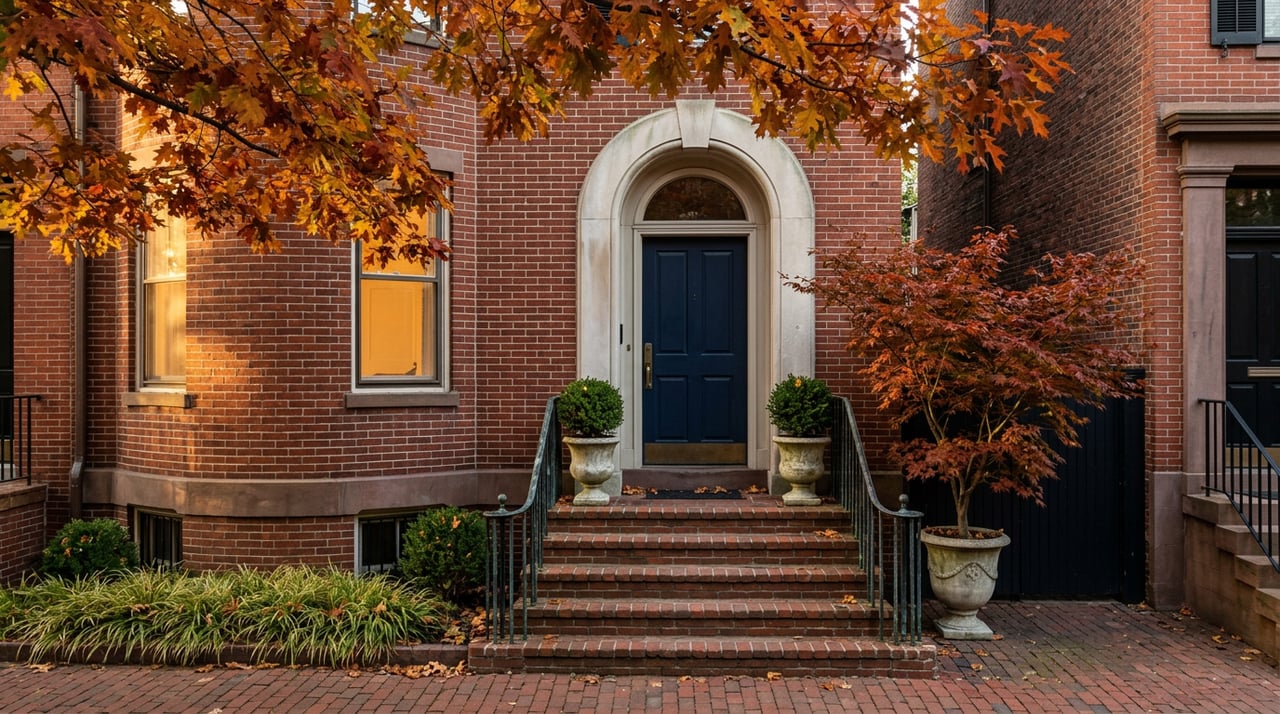
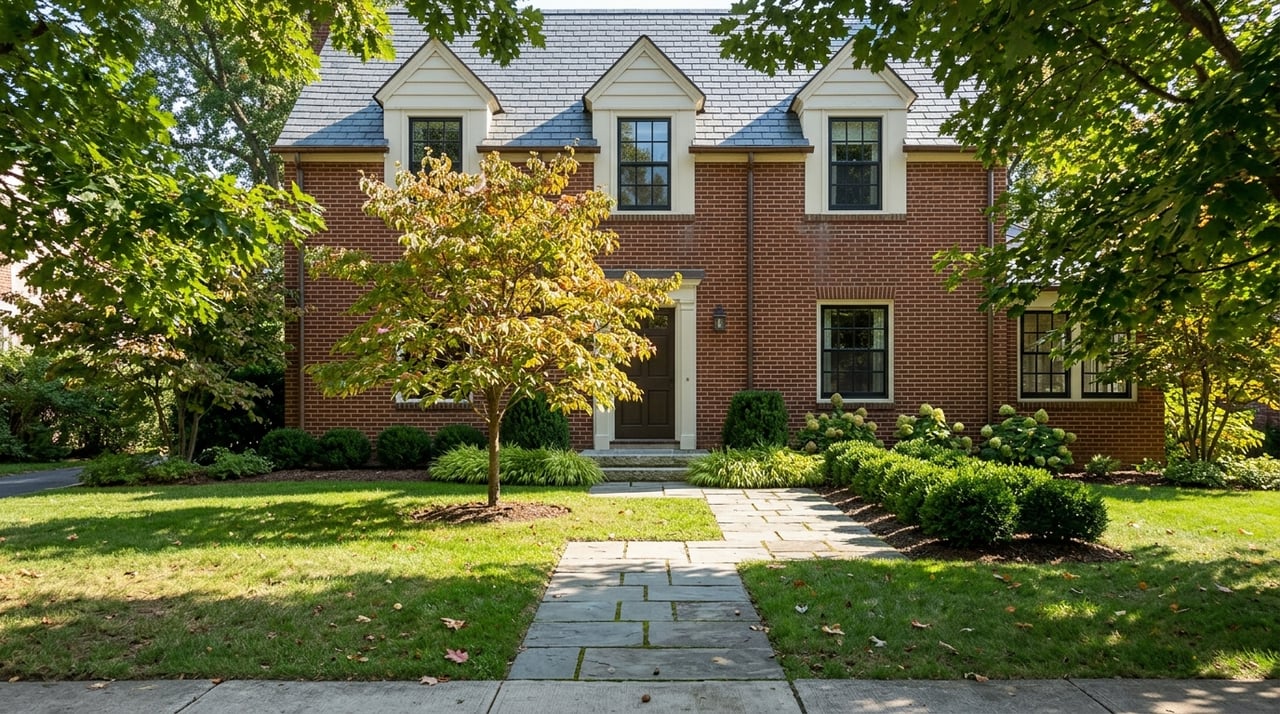
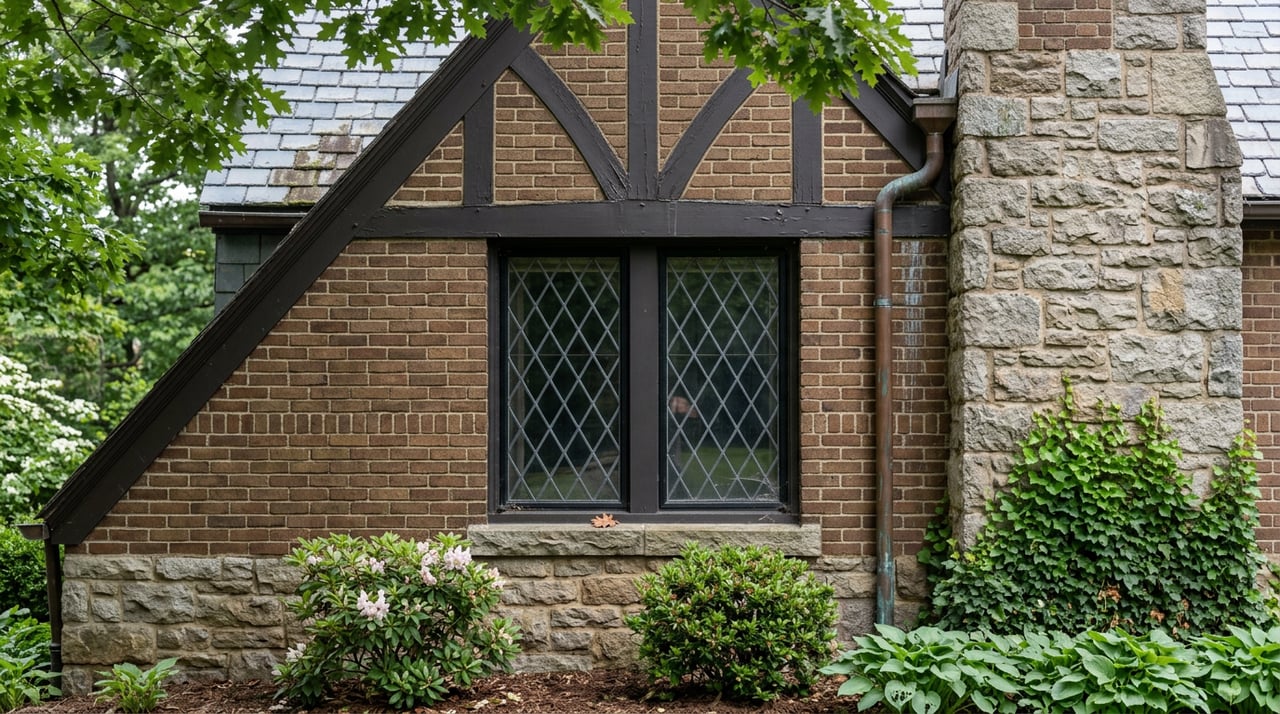
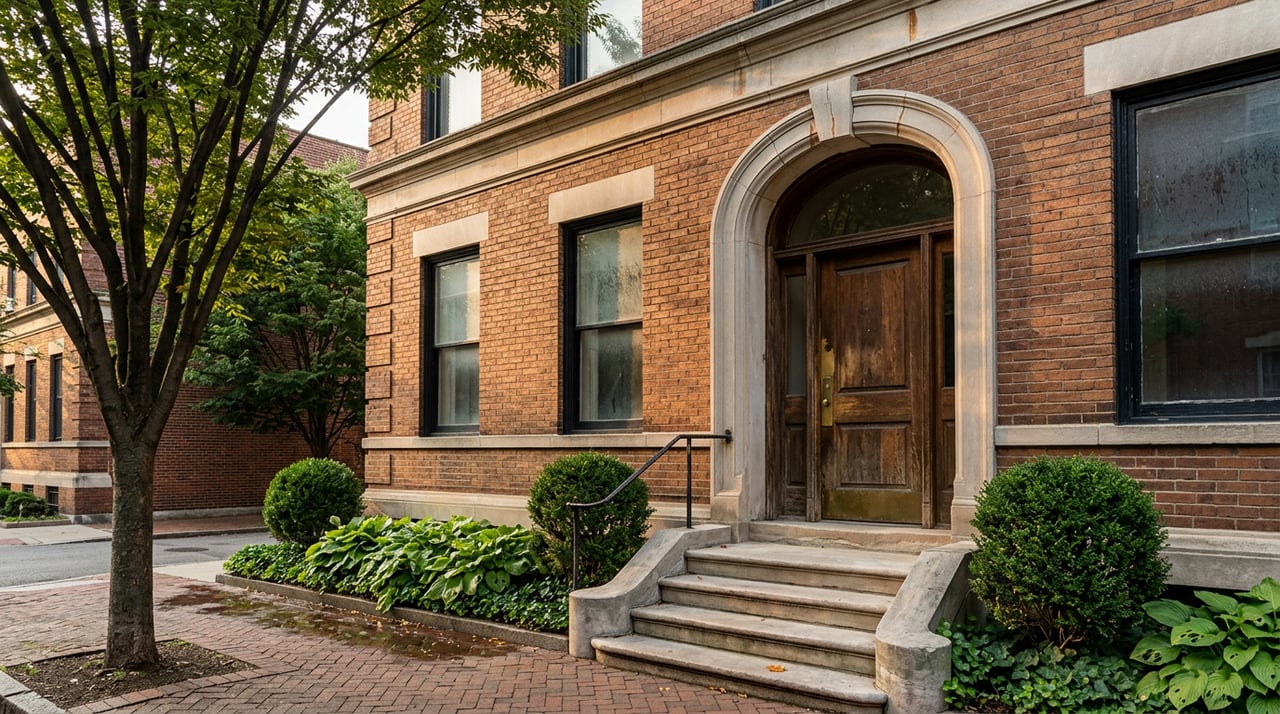
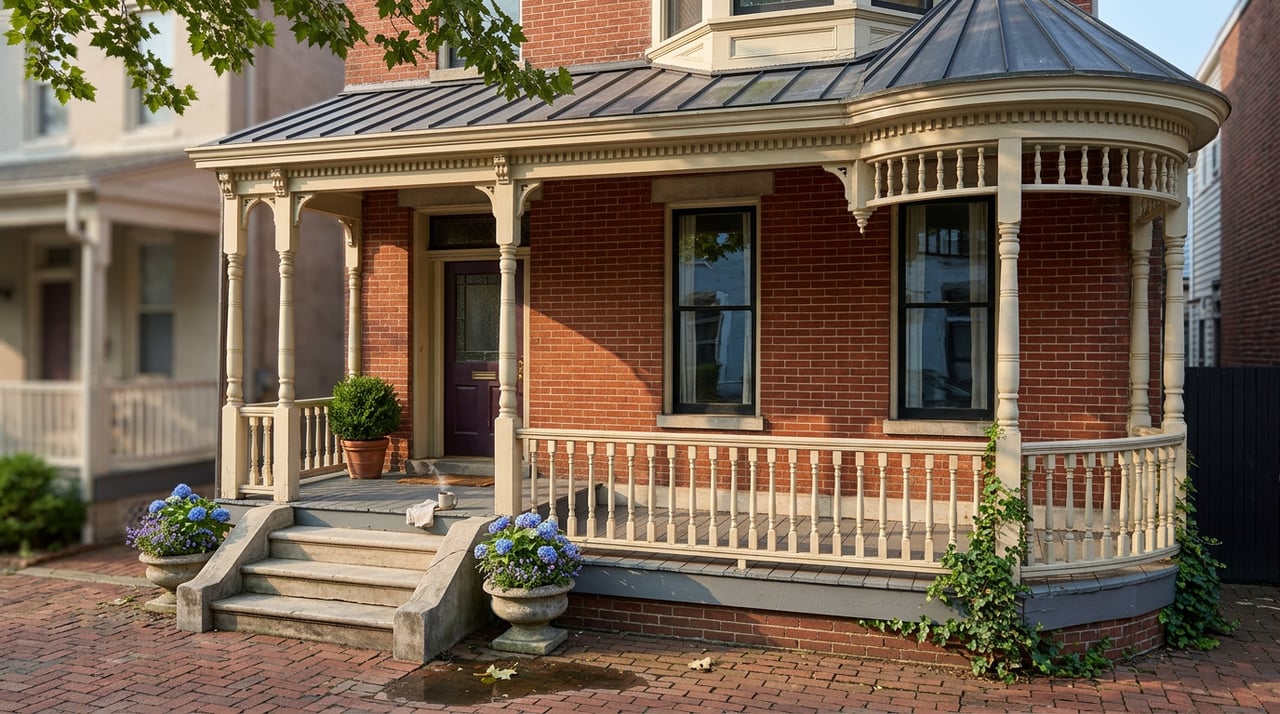
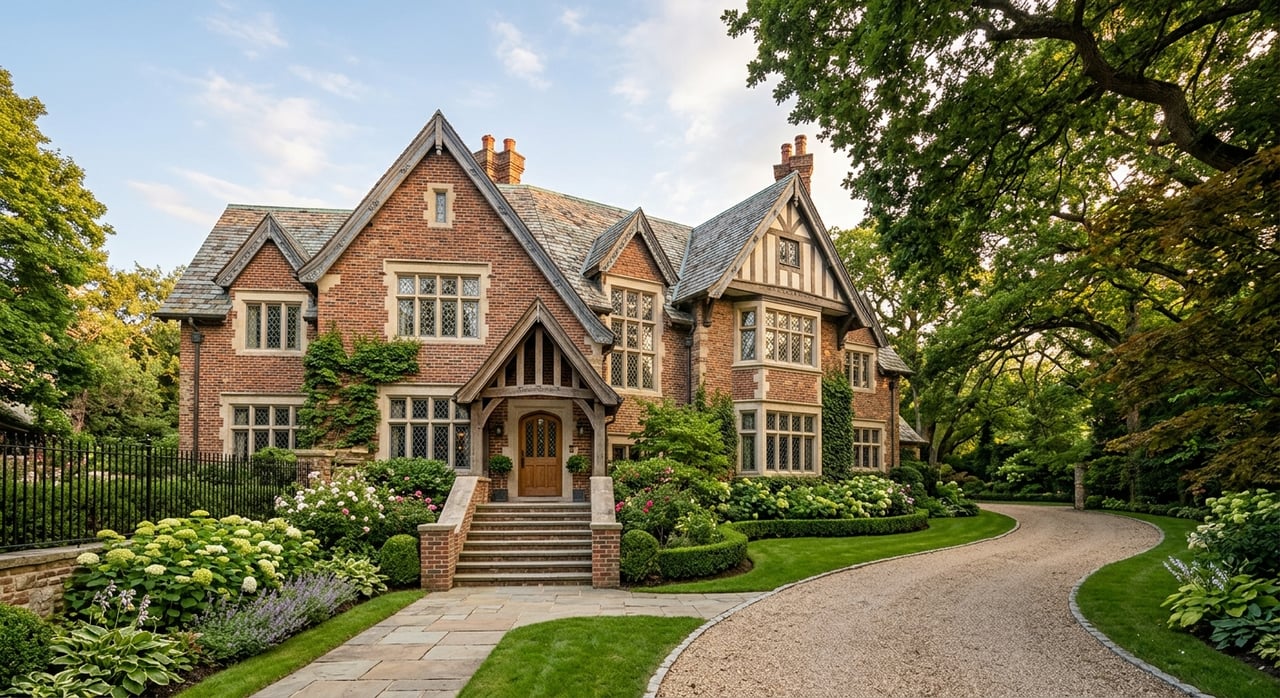
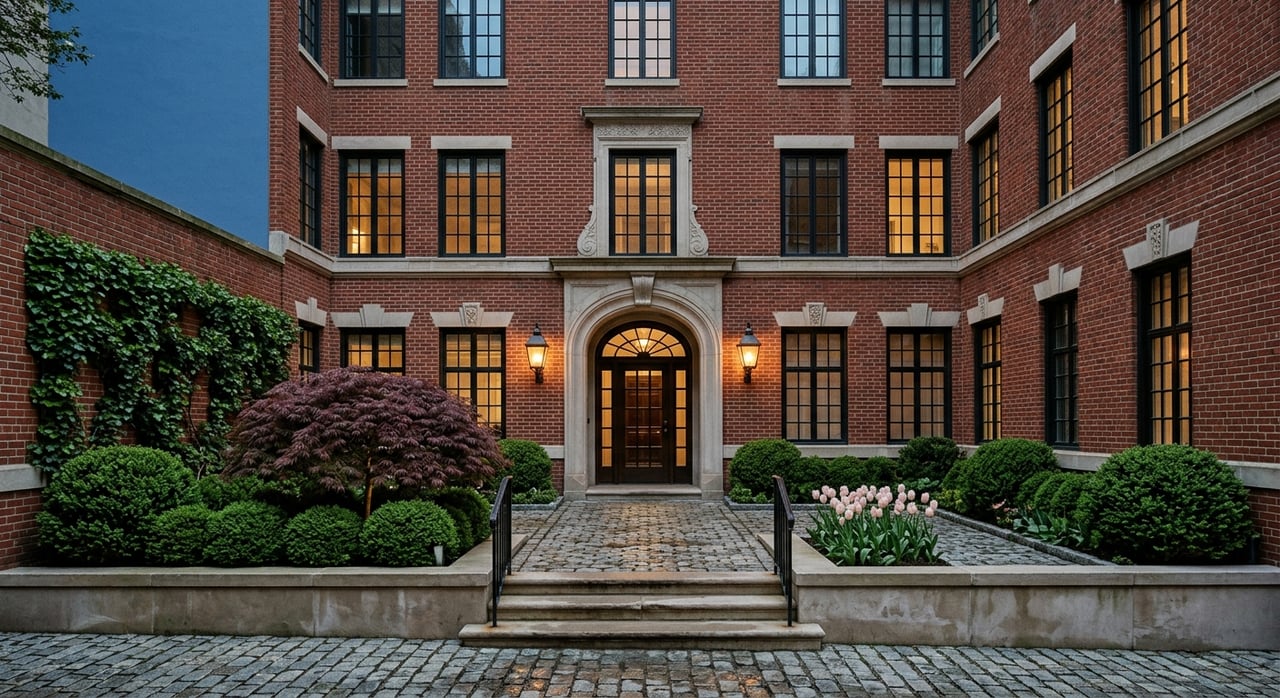
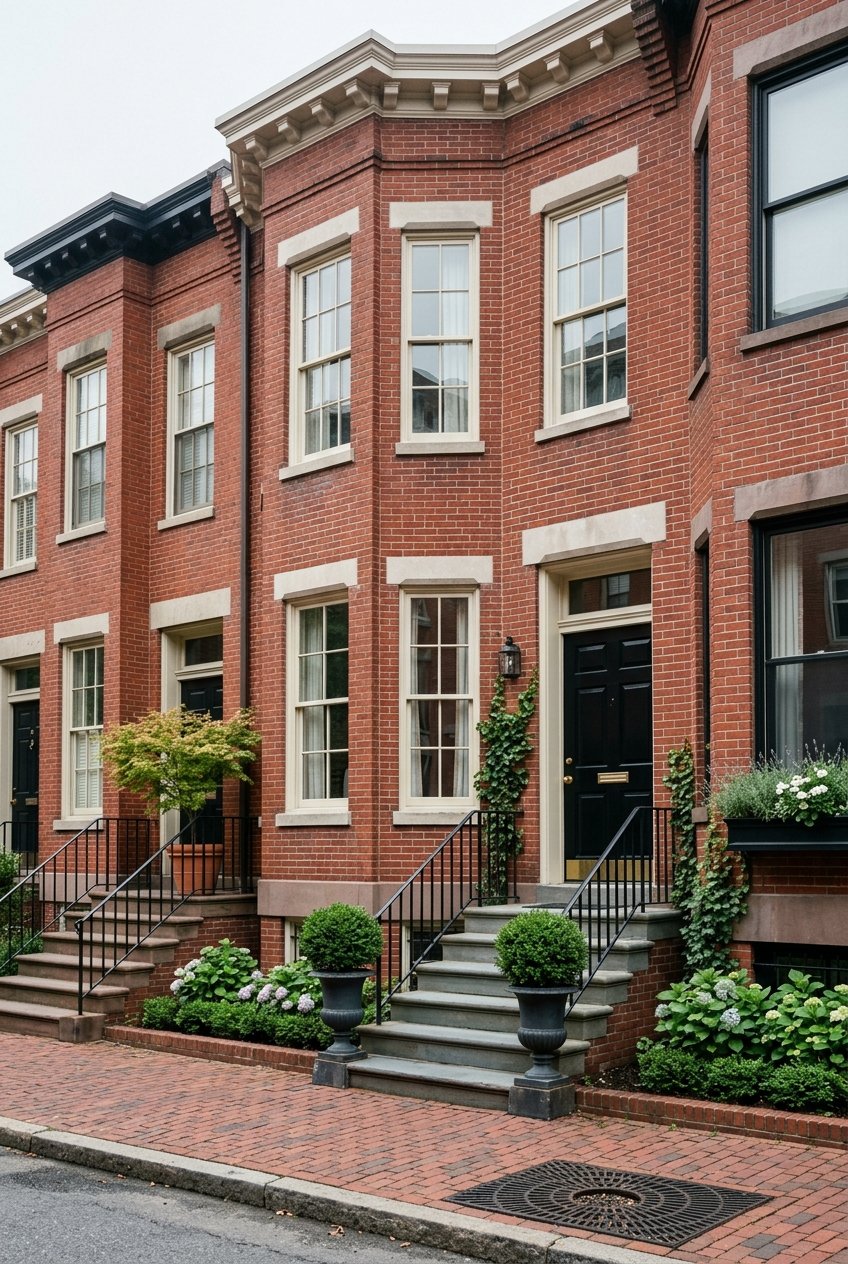
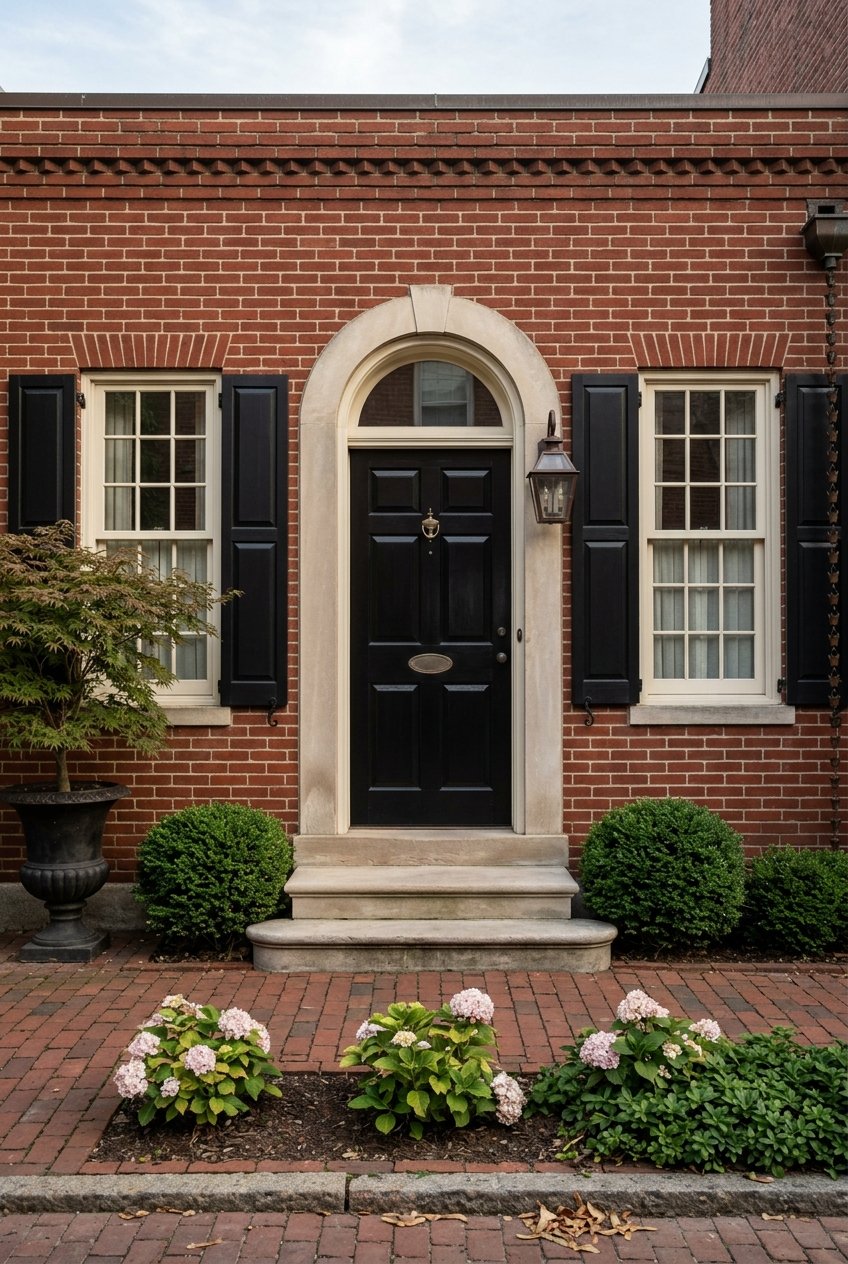
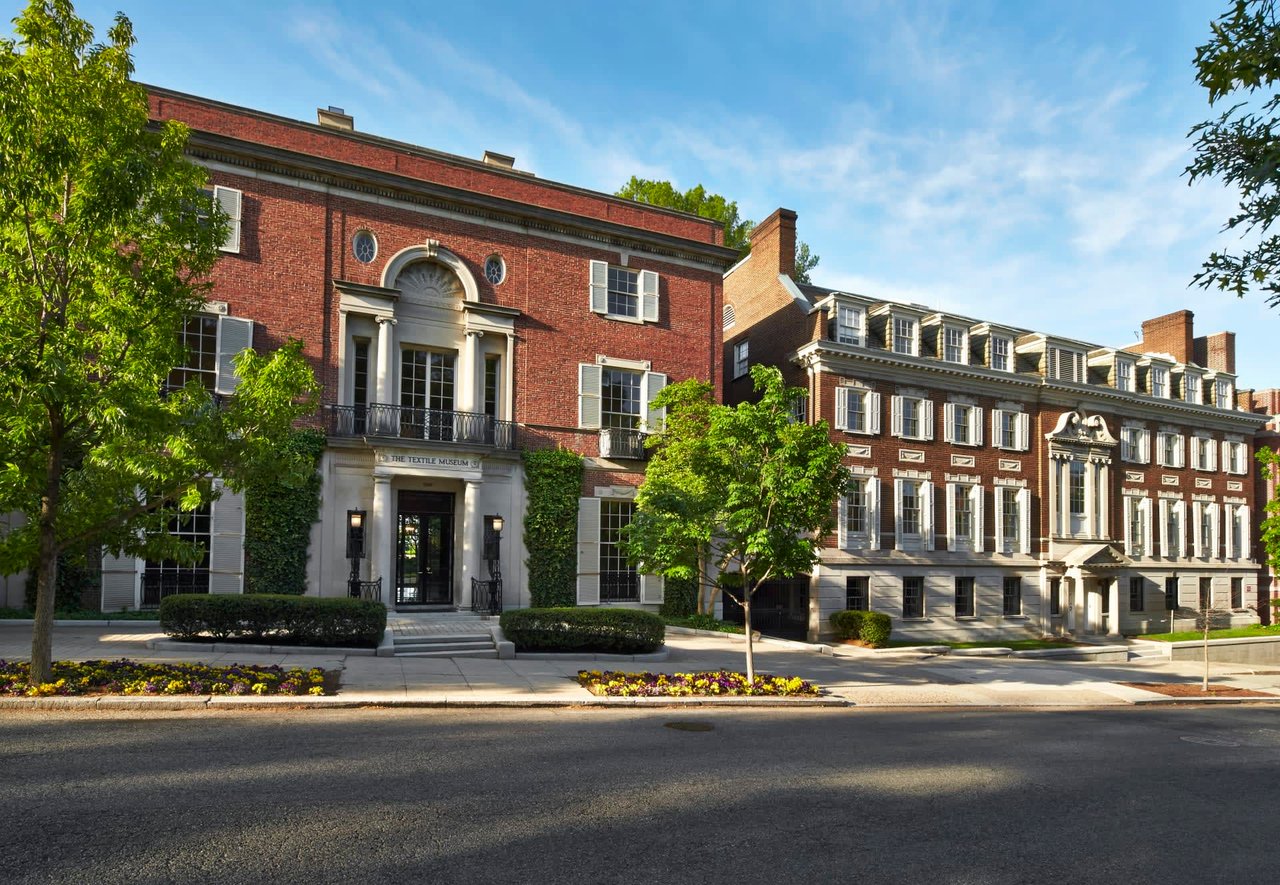
Kalorama is not a market of interchangeable buildings. The area is known for historically significant properties, and the Kalorama Triangle Historic District reflects a period of significance from 1893 to 1939. In nearby Sheridan-Kalorama and Dupont Circle, the District notes a built environment of grand Victorian townhomes and stand-alone mansions, along with embassy and chancery uses.
For you as a buyer, that often means more architectural character, but also more building nuance. Older properties may come with aging systems, building-specific rules, and more layers of review if you hope to make exterior changes later.
Co-op vs. Condo in DC
Before you compare listings, it helps to understand what you are actually buying. In DC, a condo owner holds exclusive fee simple ownership of the unit plus an undivided interest in the common elements. In a co-op, the cooperative housing association owns and operates the real estate, and you buy shares or membership along with a proprietary lease or occupancy agreement for a specific unit.
That legal difference affects how ownership feels in practice. A condo often functions more like direct ownership of real property, while a co-op usually involves a more structured relationship with the building and its governing board.
What monthly costs usually include
Published monthly fees can be misleading if you compare them at a glance. Condo fees often cover common-area repairs and maintenance and may also include items such as water, sewer, trash, and amenity upkeep, while local property taxes are generally separate.
In a co-op, monthly assessment fees commonly include operating and maintenance costs, management fees, insurance, reserves, real estate taxes, and sometimes an allocation of an underlying or blanket mortgage. That is one reason a co-op fee can appear much higher than a condo fee, even when the total ownership picture is competitive.
The smartest comparison is total monthly carrying cost. That means looking beyond the asking price and reviewing dues, taxes, insurance, any special assessments, and financing obligations together.
A note on homestead treatment
If you plan to owner-occupy the property, DC offers homestead treatment to houses and condo units, and a separate homestead deduction structure for cooperative housing associations. In a co-op, the shareholder or member must file the application so the association can qualify the unit.
What the buying process usually looks like
In Kalorama, a condo purchase and a co-op purchase can feel quite different. Both require careful document review, but co-ops are usually more document-heavy and more approval-driven.
Co-op approvals are often more involved
A co-op sale and settlement cannot occur without formal written board approval. The application package typically asks for details on income, assets, liabilities, employment verification, credit, and personal references, and many boards also interview applicants.
If you are financing a co-op purchase, the lender will usually need additional documents tied to the co-op structure. These may include a recognition agreement, an assignment of the proprietary lease or occupancy agreement, and evidence of share ownership.
Condo review is different, but still important
Condo buildings generally do not use the same interview-based approval approach common in co-ops. Even so, condo buyers still need to review the governing documents and building financials carefully.
In DC, condo associations are required to keep detailed books and records, and unit owners in good standing may inspect those records for a proper purpose. That makes document review a meaningful part of your due diligence.
What to review before you write an offer
In a neighborhood like Kalorama, smart preparation can save you time and help you avoid surprises. Before writing an offer, focus on the building’s legal structure, financial health, operating rules, and any historic restrictions that may affect your plans.
Governing documents and house rules
Start with the building documents. For a condo, ask for the declaration or CC&Rs and bylaws. For a co-op, review the bylaws, proprietary lease, and house rules.
These documents often cover daily-use issues that matter more than buyers expect. House rules may address noise, pets, subleasing, trash disposal, move-ins, maintenance responsibilities, repairs, and use of common areas.
If you are thinking about updates after closing, check whether improvements require advance approval. Some buildings also require specific materials, finishes, or colors for certain work.
Financial statements and reserves
Do not stop at the monthly fee amount. Review the latest budget, reserve funding, and financial statements so you can understand how the building plans for future expenses.
Reserve funds matter because major building repairs are expensive, especially in older properties. If reserves are thin, the board may rely on special assessments for one-time repairs or to supplement funding.
For condo buyers, it is also worth knowing that DC law allows unpaid condo assessments to become liens on the unit. That is one more reason careful financial review is essential.
Insurance and maintenance responsibilities
You should confirm what the association insures and what you must insure yourself. In many cases, the board covers exterior or common-area damage, while the owner remains responsible for interior coverage.
For co-ops, unit-level responsibility still matters. Co-op members are generally responsible for their own unit maintenance, repair, renovation, and homeowner’s insurance, even though the cooperative owns the real estate.
Subletting and future flexibility
If there is any chance you may want to rent the property later, ask early about subletting rules. This is especially important in co-ops, which generally have more control over occupancy and rentals than condos.
A building may still be a strong fit for you even if rental flexibility is limited. The key is making sure the rules align with your goals before you commit.
Historic-district review for exterior work
In Kalorama, renovation plans need extra care, especially if they affect the exterior. On a historic property, most building and site work requires a permit, and exterior work triggers historic preservation review when a permit is required.
If you hope to replace windows, change awnings, add a deck, or make other exterior changes, verify the approval path and timing before you write the offer. In this neighborhood, those questions are not minor details. They can directly affect your budget, timeline, and long-term plans.
Fair housing and building rules
Building rules and board processes still have to comply with DC fair housing law. The DC Office of Human Rights enforces the District’s housing discrimination protections, including source of income protections.
For buyers, that is a useful reminder that structure and screening do not override legal standards. A well-run building can have clear rules while still operating within fair housing requirements.
What matters most in Kalorama
In many neighborhoods, buyers start with price per square foot or amenities. In Kalorama, the more useful questions are often deeper and more specific.
Ask yourself:
- What does this ownership structure really mean for me?
- What does the monthly fee actually cover?
- How demanding is the approval process?
- Are the building’s finances and reserves in good order?
- If I want to renovate, will historic review affect the plan?
- If I need financing, does the building and lender path work smoothly together?
Those questions can help you compare opportunities with more clarity. In a neighborhood known for prewar apartments, historic facades, and one-of-a-kind buildings, the details matter.
Why guidance matters here
Buying in Kalorama is rarely a plug-and-play process. Between co-op board approvals, condo document review, historic-property considerations, and building-specific rules, two homes that look similar online can offer very different ownership experiences.
That is why local, building-level knowledge is so valuable. If you want thoughtful guidance on Kalorama co-ops, condos, or other distinctive Northwest DC properties, the Hagen Bergstrom Team can help you evaluate the details with care and confidence.
FAQs
What is the difference between a Kalorama condo and a Kalorama co-op?
- In DC, a condo gives you fee simple ownership of the unit plus an undivided interest in common elements, while a co-op means the association owns the real estate and you buy shares or membership with a proprietary lease or occupancy agreement for your unit.
Why are Kalorama co-op fees often higher than condo fees?
- Co-op monthly fees commonly include more items, such as operating costs, management, insurance, reserves, real estate taxes, and sometimes an underlying mortgage allocation, while condo fees often exclude property taxes.
Do Kalorama co-ops require board approval?
- Yes, co-op purchases typically require formal written board approval, and the process often includes a detailed application package and, in many buildings, an interview.
What documents should you review before buying a Kalorama condo or co-op?
- You should review the governing documents, house rules, budget, reserve funding, financial statements, insurance responsibilities, and any subletting or renovation restrictions tied to the building.
Can you renovate the exterior of a Kalorama historic property freely?
- No, exterior work on a historic property triggers historic preservation review when a permit is required, so you should verify the approval path before you buy if future exterior changes matter to you.
What should you compare besides price when buying in Kalorama?
- You should compare the total monthly carrying cost, including dues, taxes, insurance, special assessments, and financing obligations, along with the building’s rules, finances, and approval process.