If you are drawn to historic architecture but want a lifestyle that feels plugged into the city, Georgetown rowhouses tend to stand out fast. They offer a very specific mix of charm, walkability, and everyday convenience, but they also ask you to embrace stairs, tighter footprints, and the realities of living in a protected historic district. If you are wondering what daily life really feels like behind those brick facades, this guide will help you picture the rhythm of it. Let’s dive in.
Georgetown rowhouse living at a glance
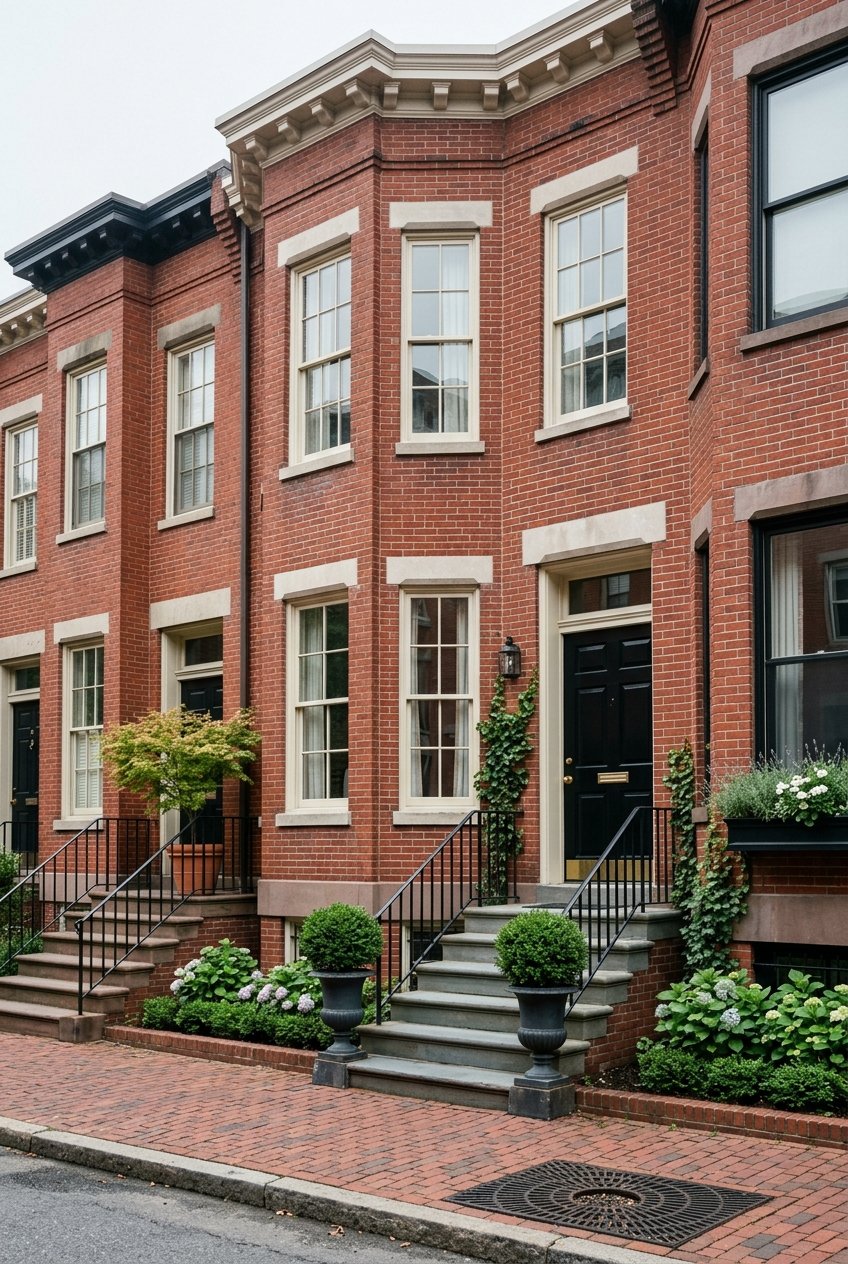
Living in a Georgetown rowhouse usually means choosing a compact, vertical, highly walkable way of life. Many of these homes sit on narrow lots, are attached to neighboring houses, and rise two to three stories, which creates a more townhouse-style experience than a sprawling single-family setup.
That layout shapes your routine in practical ways. You may move through your home room by room instead of across one broad level, and stairs often become part of daily circulation. In return, you get a setting that feels deeply tied to Georgetown’s historic streetscape and urban fabric.
Historic character is everywhere
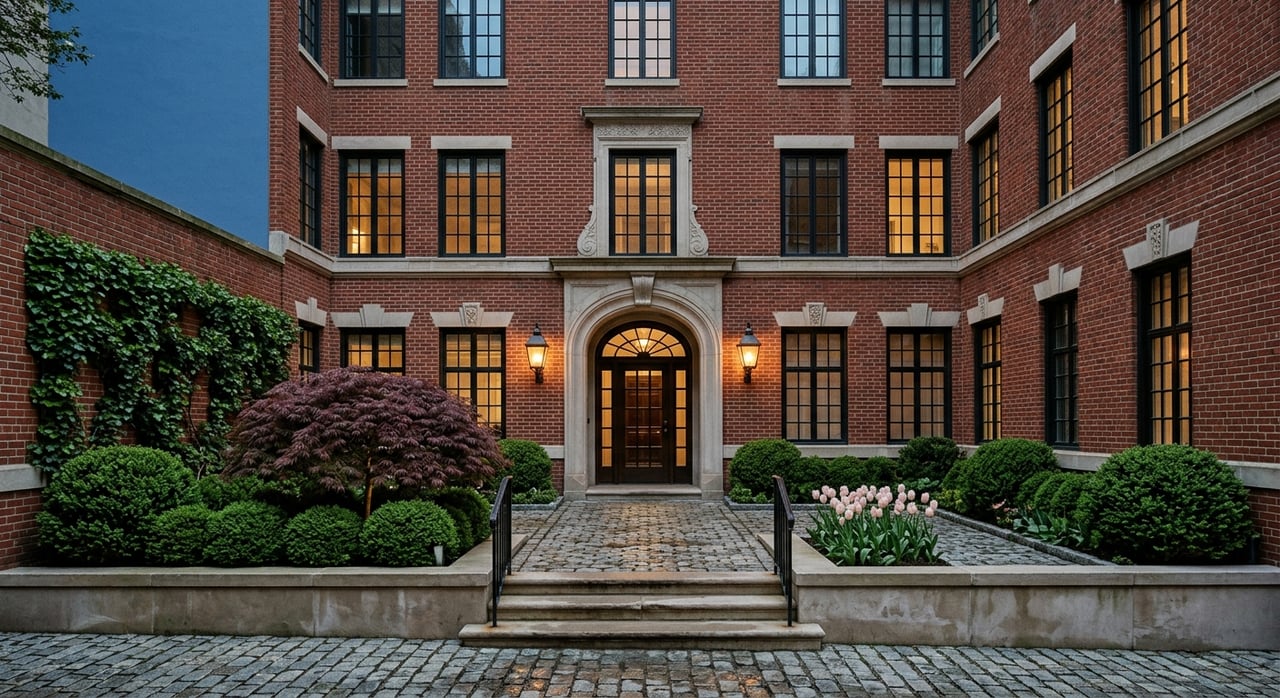
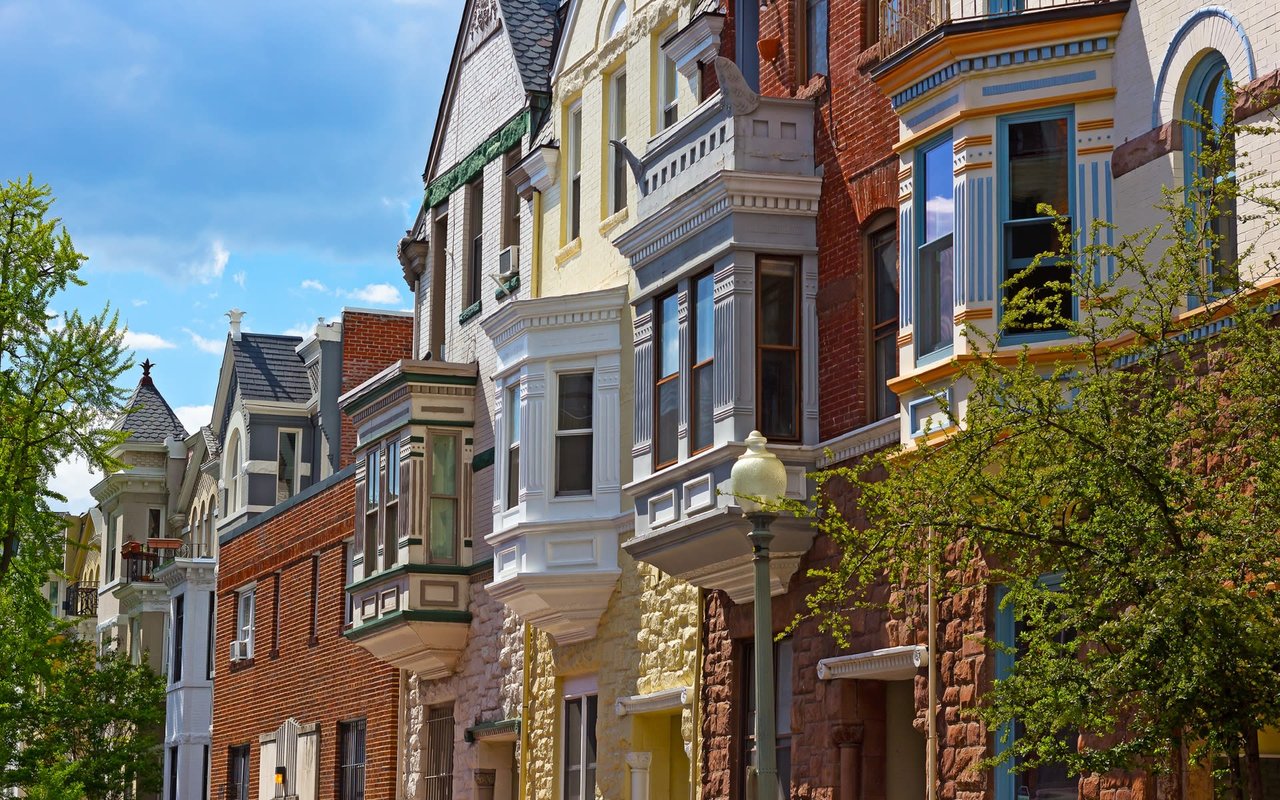
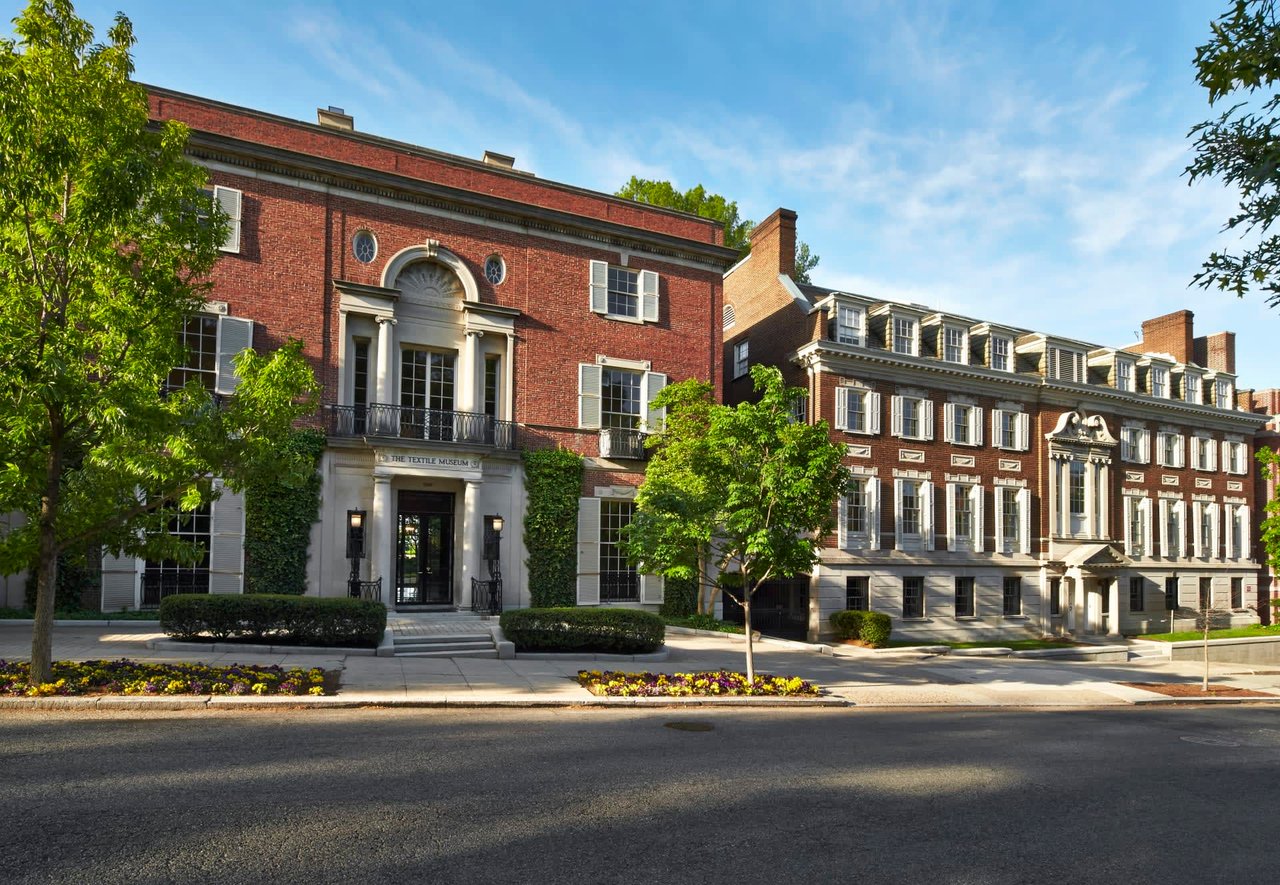
Georgetown’s identity is hard to separate from its architecture. Originally founded in 1751 as a Maryland port town and later made part of Washington, the neighborhood has a long physical history that still shows up in its homes, blocks, and street patterns.
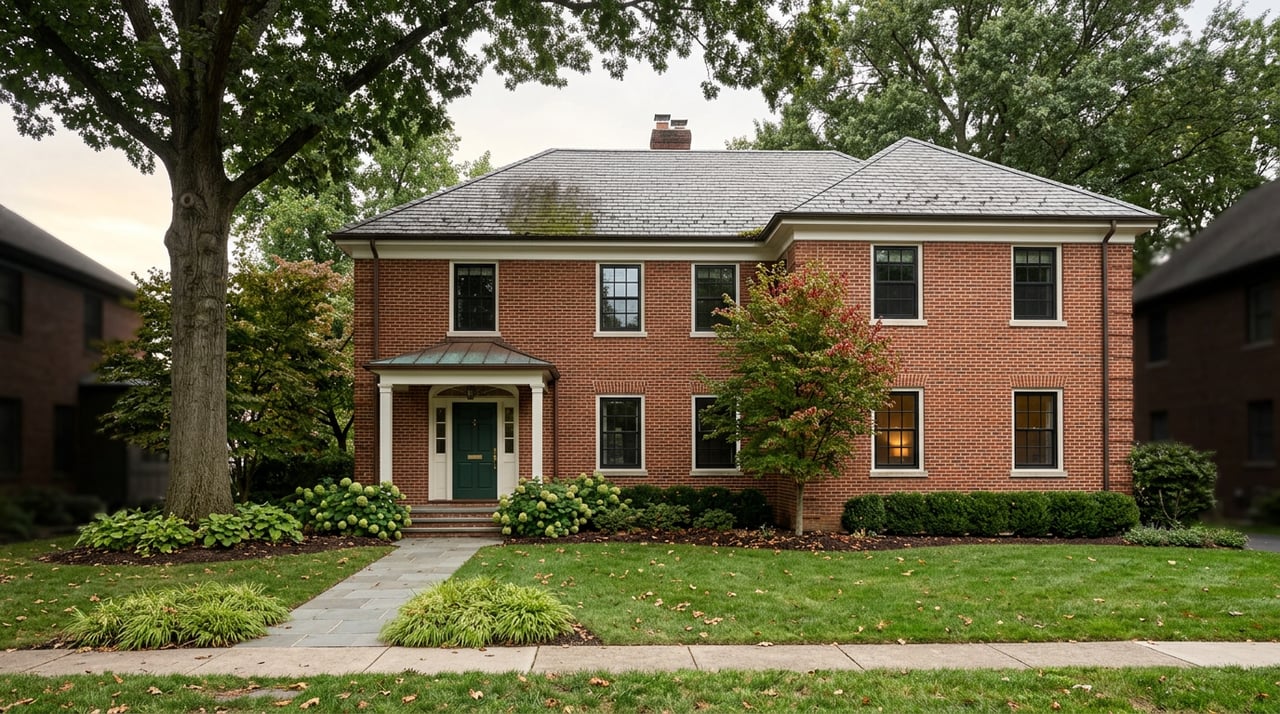
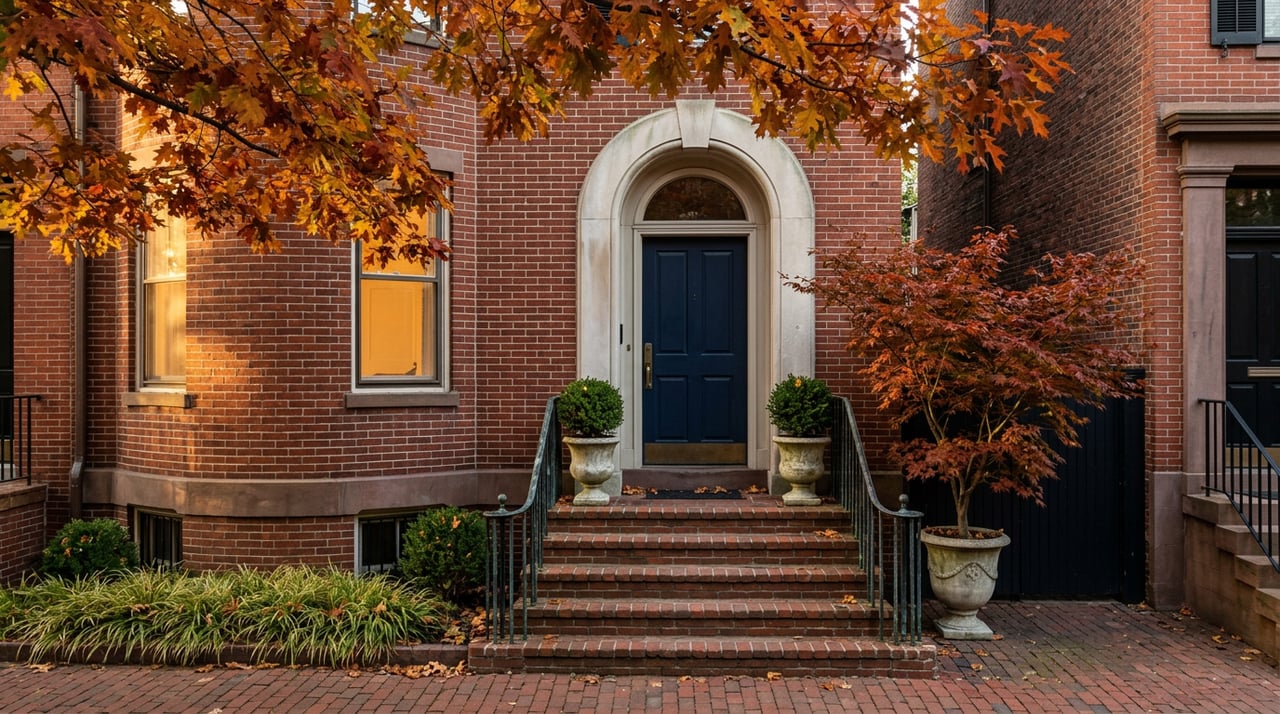
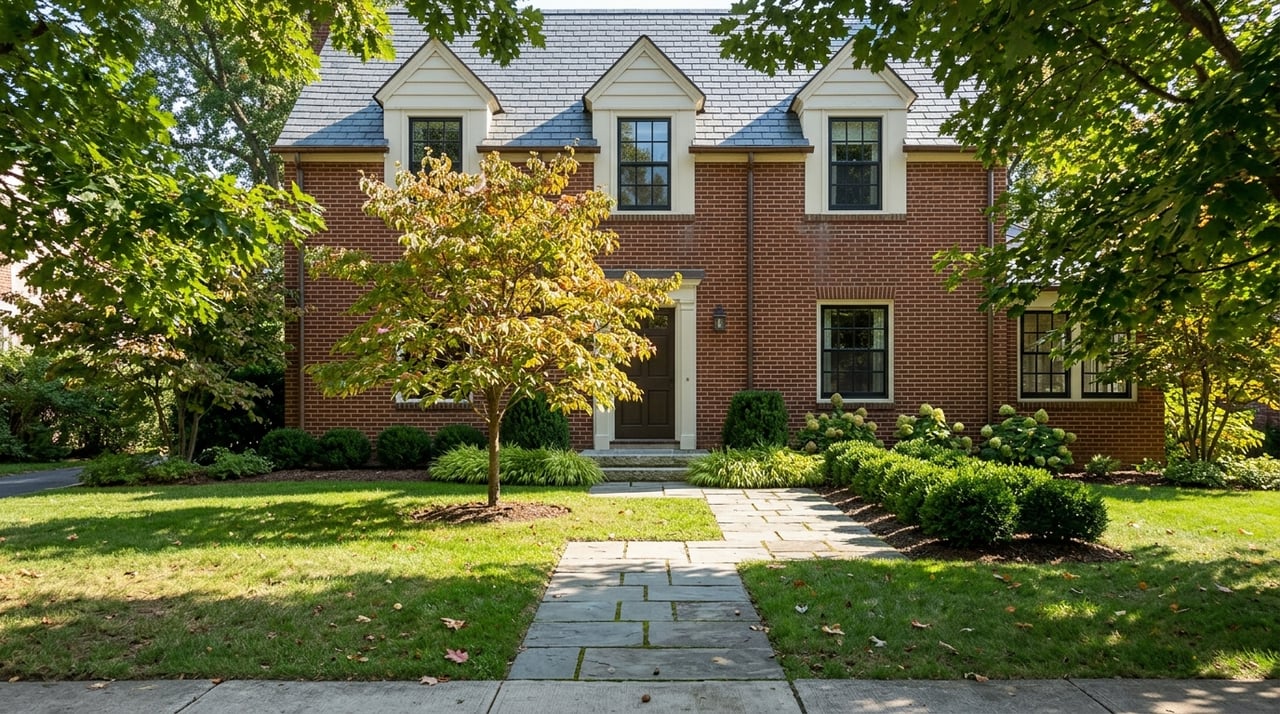
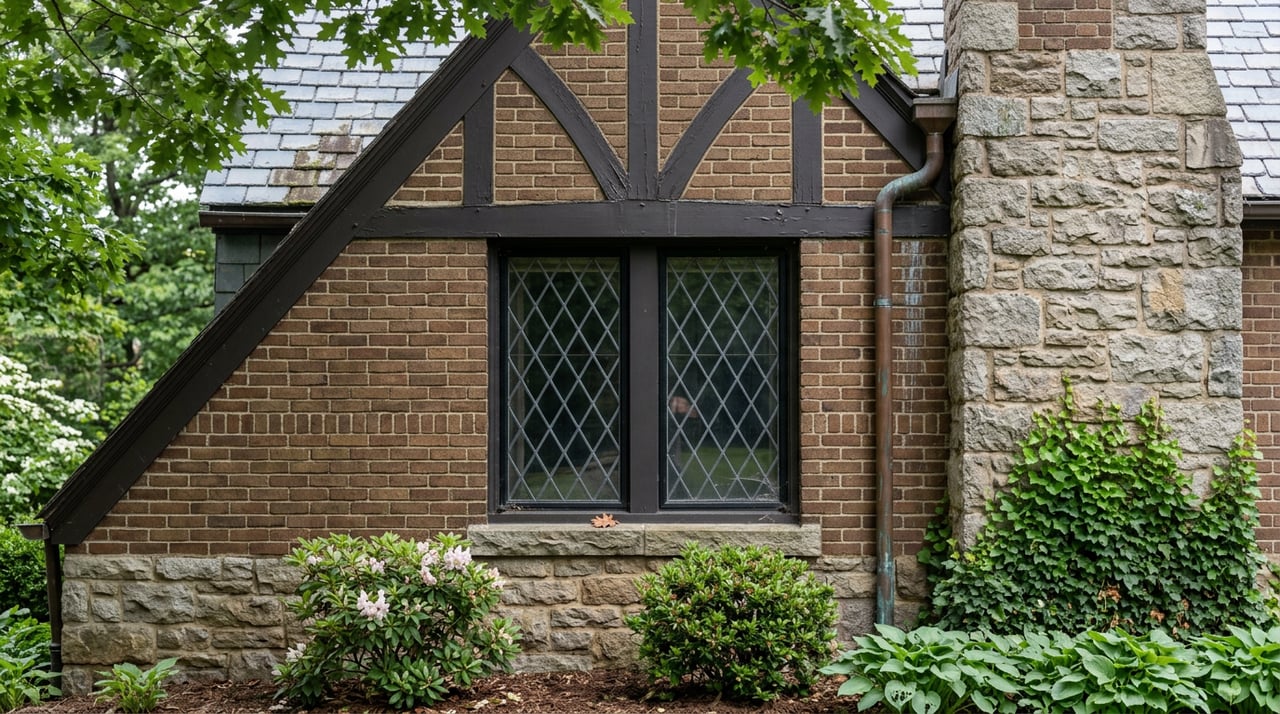
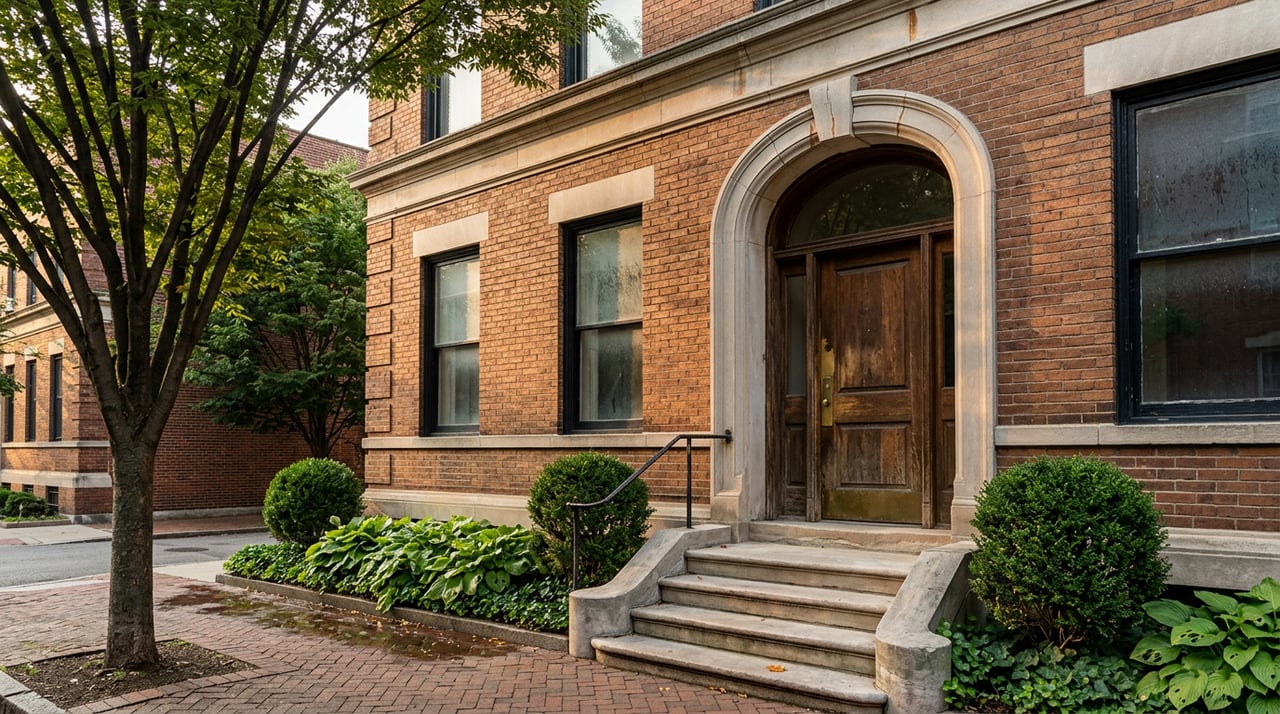
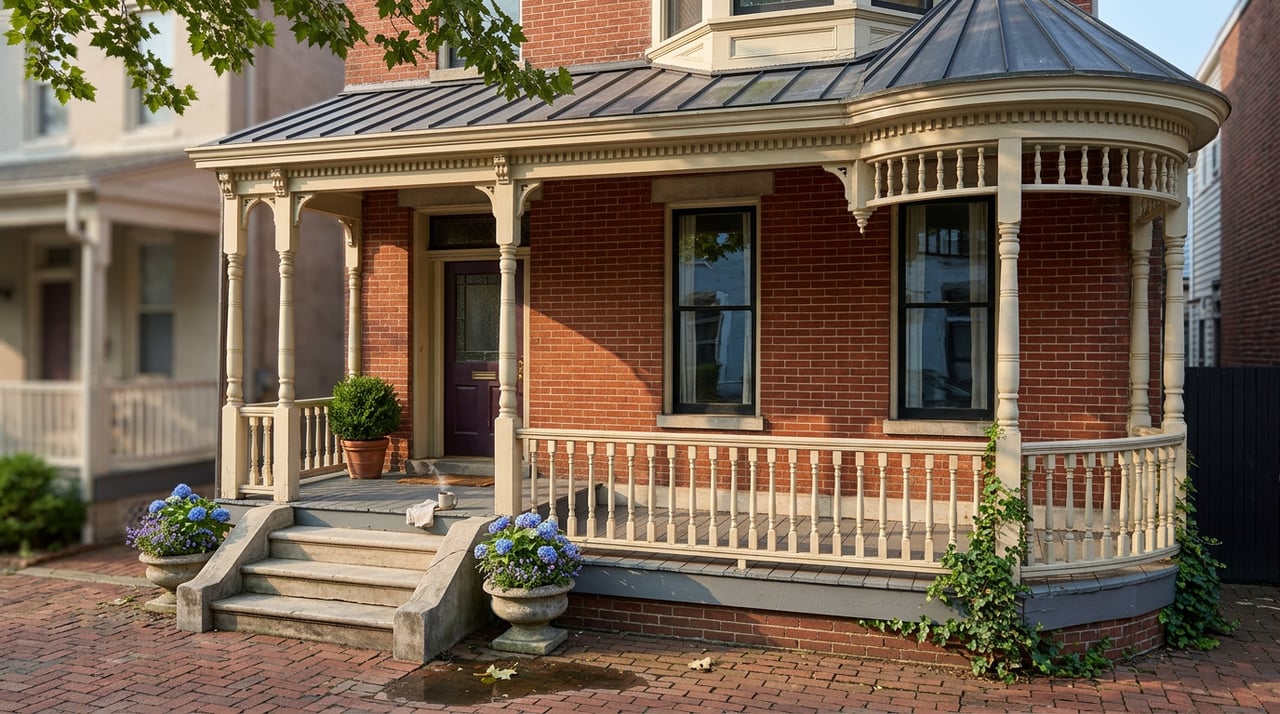
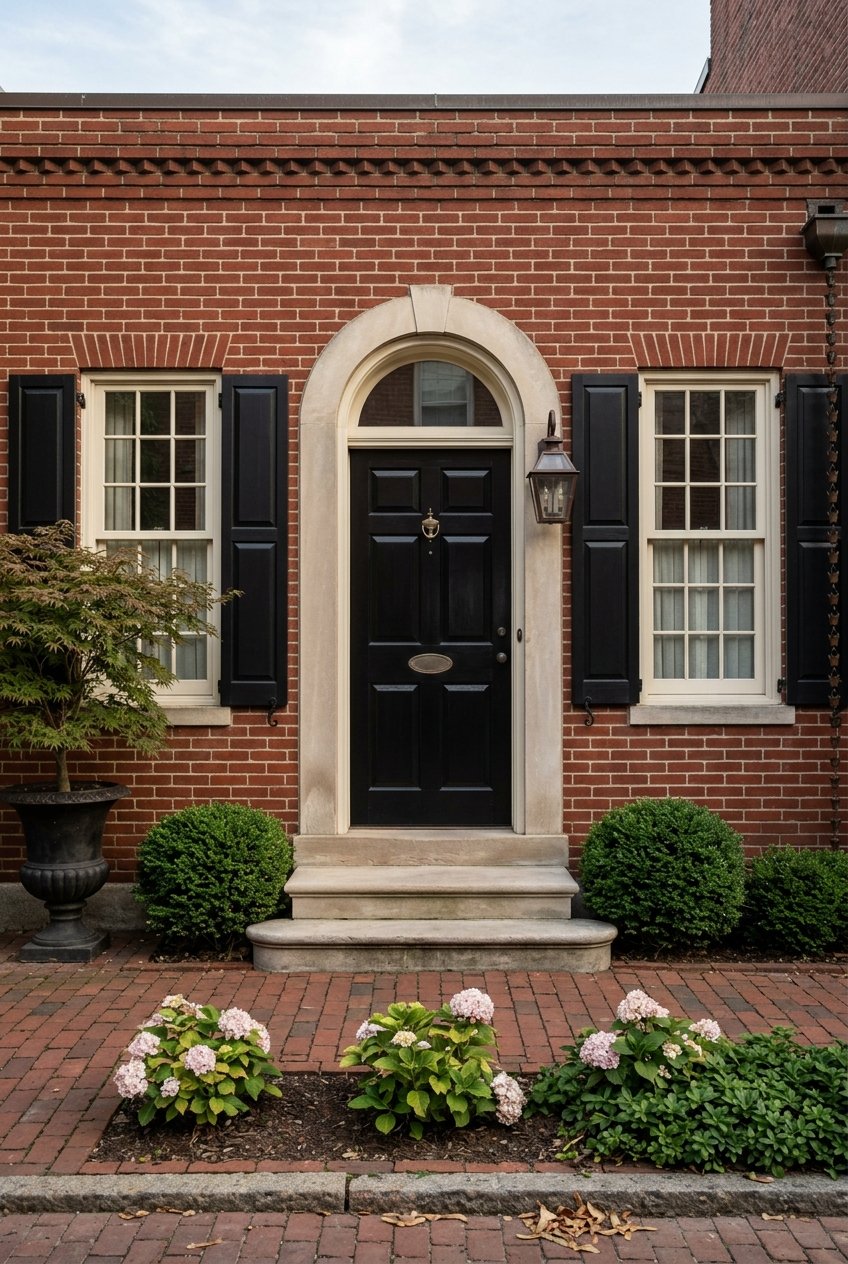
The area is widely known for Federalist architecture, historic brick and frame rowhouses, cobblestone streets, and older estates. North of M Street, the residential streets are described as tree-lined and filled with homes dating back as early as the 18th century, ranging from modest rowhouses to larger residences.
For many buyers, this is the heart of the appeal. Georgetown does not feel manufactured or interchangeable. The neighborhood has a lived-in architectural texture that gives even a short walk to coffee or dinner a sense of place.
Daily life feels intimate and vertical
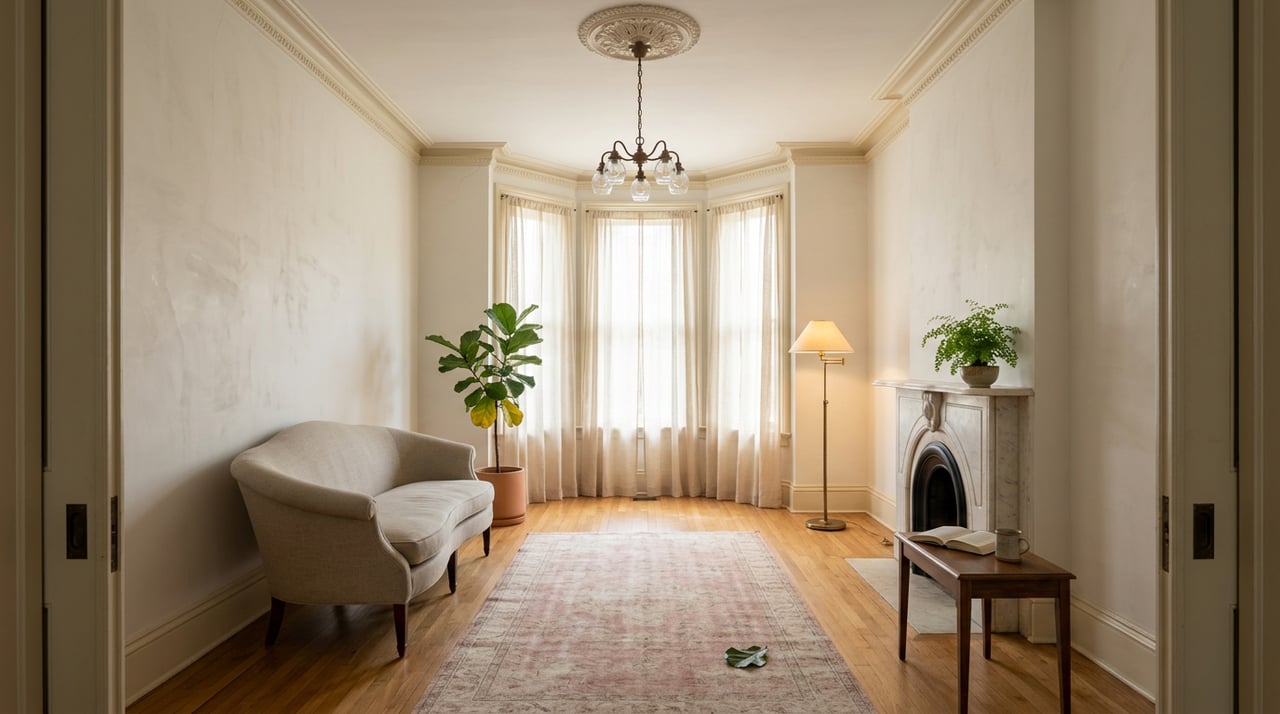
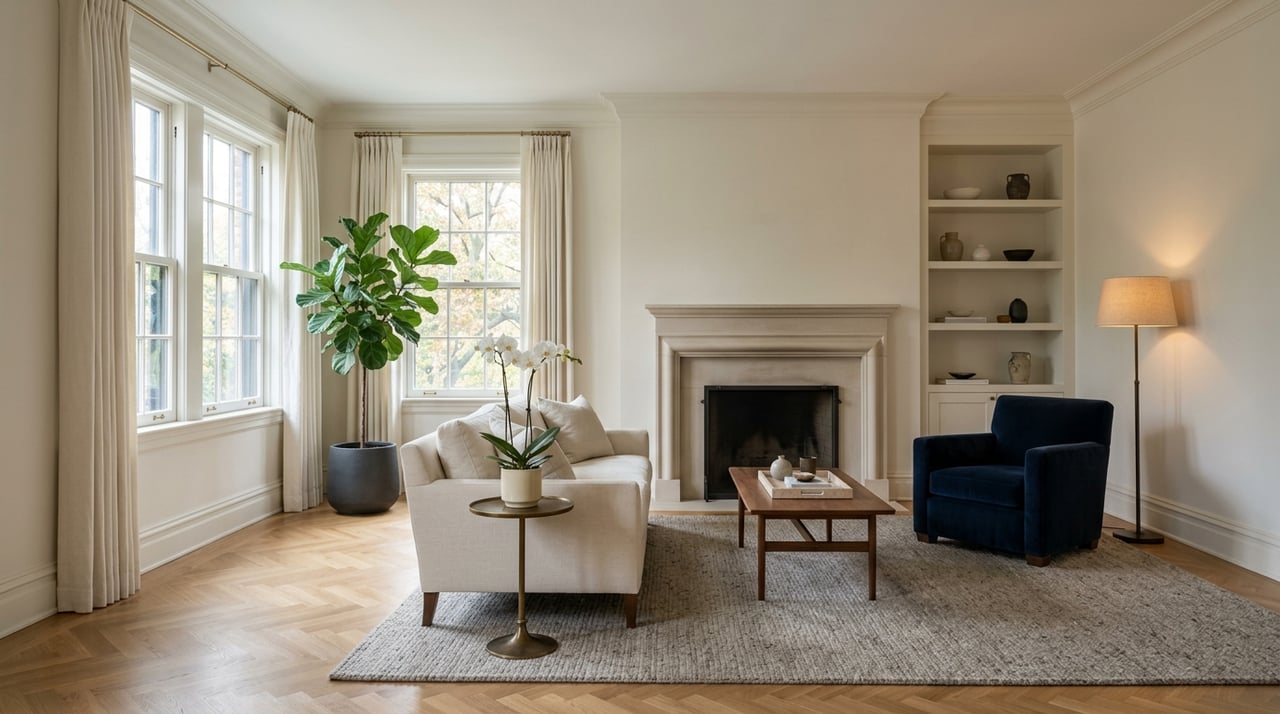
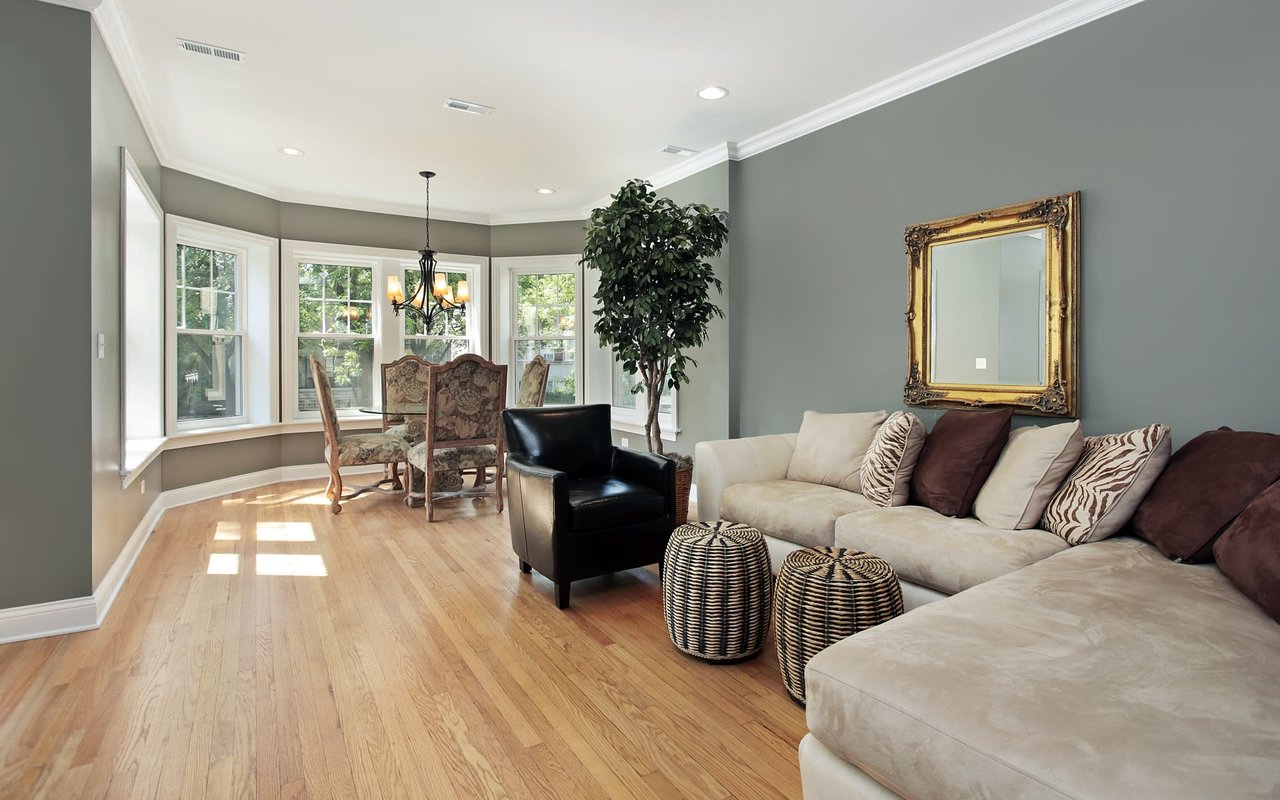
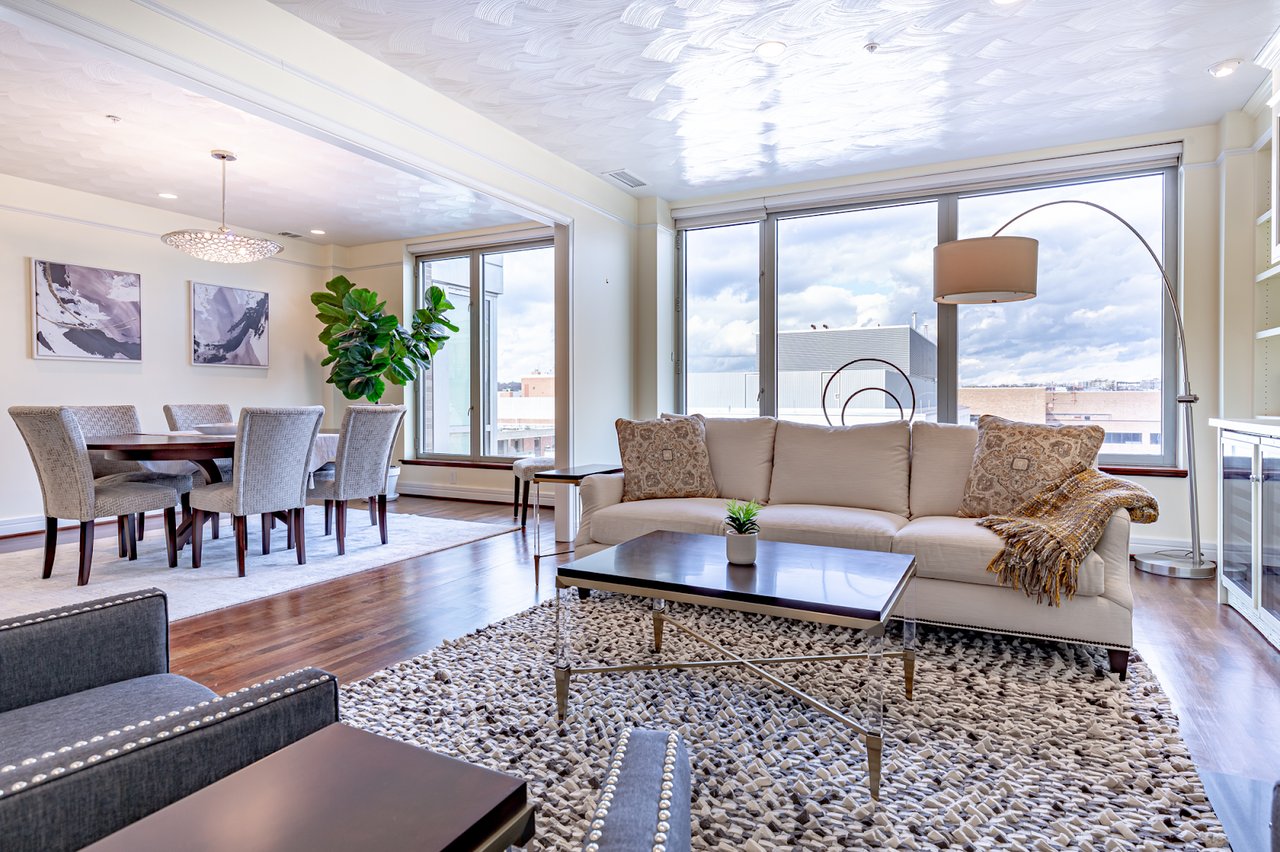
Inside a Georgetown rowhouse, the living experience often feels more intimate than in a detached home. Because the footprint is usually narrower, daily life tends to unfold across multiple levels rather than one large open plane.
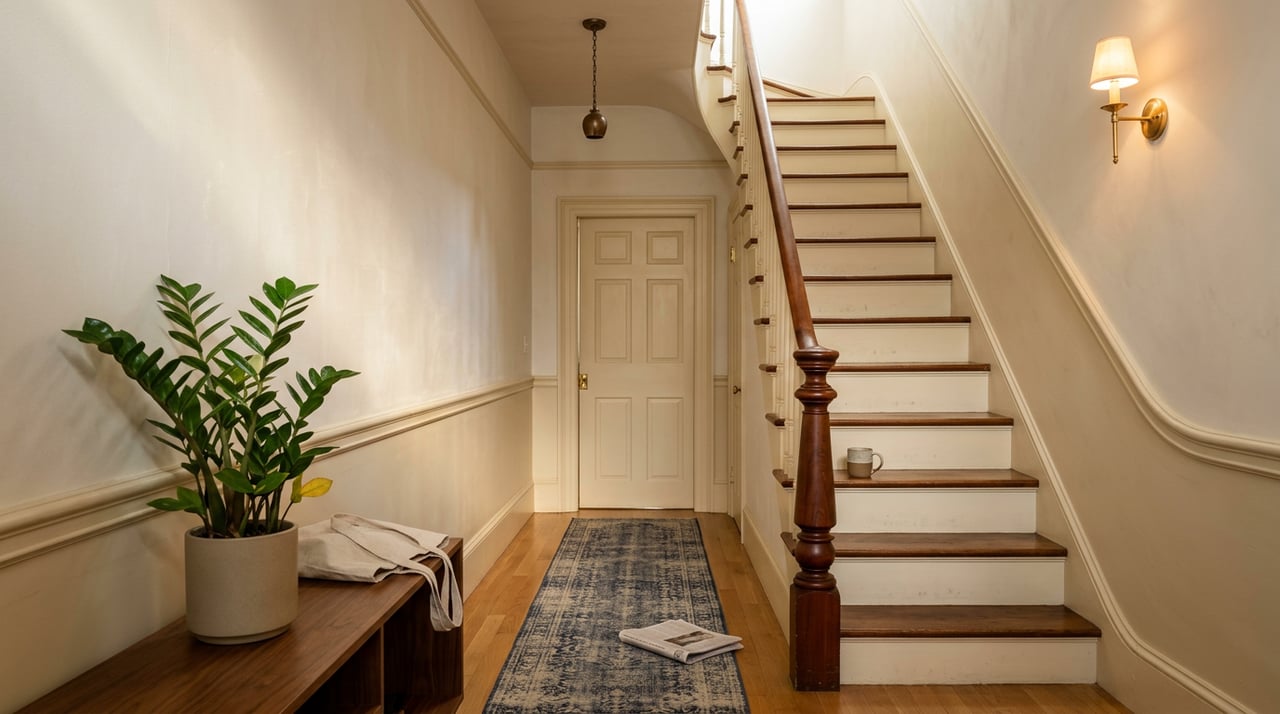
That can feel elegant and efficient if you enjoy distinct rooms and a townhouse rhythm. It can also mean carrying groceries up stairs, thinking carefully about furniture placement, and getting used to a home where space is often used creatively.
For some people, this is exactly the point. A Georgetown rowhouse often offers character, proportion, and a strong sense of home without the scale of a larger property.
Quiet blocks, lively corners
One of Georgetown’s most distinctive traits is the contrast between its residential streets and its commercial core. The neighborhood north of M Street is described as quiet and tree-lined, while the area around M Street and Wisconsin Avenue is much busier.
That means your day can shift quickly depending on where you step outside. You can leave a calmer residential block and, within minutes, reach some of the neighborhood’s main shopping and dining streets.
For many residents, that contrast is part of Georgetown’s charm. You are not choosing between peaceful streets and city energy. In many cases, you are getting both in the same neighborhood.
Walkability is a major perk
If you like to do daily errands on foot, Georgetown makes a strong case for itself. The commercial heart of the neighborhood sits at M Street and Wisconsin Avenue, and the district supports more than 470 businesses.
In real life, that often means coffee, groceries, dining, shops, and everyday stops are close at hand. Instead of planning your day around long drives, you may find yourself walking to dinner, picking up a few things on the way home, or making a quick stop while out for a stroll.
This kind of convenience is one of the clearest benefits of rowhouse living in Georgetown. The homes may be compact, but the neighborhood often extends your usable lifestyle space far beyond your front door.
Dining is part of the neighborhood rhythm
Georgetown is not just walkable. It is also a place where dining is woven into everyday life. The neighborhood has more than 100 restaurants representing over 50 ethnicities, and the local market review recorded 21 restaurant and food-and-beverage openings in a single year.
That variety creates options for everything from a casual weeknight meal to a more polished evening out. Long-standing names such as Martin’s Tavern, Fiola Mare, and Blues Alley also help define the neighborhood’s identity.
If you enjoy living in a place where dinner plans can be spontaneous, Georgetown delivers that ease. For many residents, the ability to step out and have so many choices nearby is a real part of the lifestyle value.
Getting around takes some planning
Transportation in Georgetown is convenient, but it is not centered around having a Metro station in the neighborhood itself. There is no Metro station in Georgetown, although both Foggy Bottom-GWU and Rosslyn are within walking distance.
The neighborhood is also served by multiple Metrobus lines, biking trails, bikeshare stations, and water taxi access. So while you may not have a station at the center of the neighborhood, you still have several ways to move through the city and beyond.
In practice, Georgetown often works well for people who are comfortable mixing walking, bus service, biking, rideshare, and occasional driving. It is an urban neighborhood where flexibility tends to matter.
Parking is one of the real trade-offs
Parking is one of the most common practical issues to understand before buying a Georgetown rowhouse. Many of the neighborhood’s historic rowhouses do not have garages or on-site parking, and on-street parking on residential blocks is limited.
There are 20 lots and garages in Georgetown with more than 3,800 spaces, which helps support the district overall. Still, if you are used to a private driveway or easy curb access, this part of daily life may feel different.
That does not make Georgetown less appealing. It simply means parking should be part of your decision-making, especially if you drive often or need predictable access for guests, service providers, or regular commuting.
Waterfront access changes the lifestyle
One of Georgetown’s strongest lifestyle advantages is how close it keeps you to the Potomac. Georgetown Waterfront Park runs along the river from 31st Street to Key Bridge and offers accessible paths, a fountain, a labyrinth, river steps, and places to launch or watch boats and kayaks.
The park is also designed as a car-free place to walk, exercise, and enjoy the waterfront. That gives the neighborhood a welcome sense of openness that balances the tighter footprint of rowhouse living.
For many residents, this becomes part of the weekly routine. Morning walks, evening runs, and time by the river can all be folded into everyday life without leaving the neighborhood.
Trails and green space add breathing room
The riverfront is only one part of Georgetown’s outdoor appeal. The C&O Canal Towpath, Capital Crescent Trail, and Rock Creek Park Trail all converge around Georgetown, and the C&O Canal towpath is especially popular with runners and cyclists.
The neighborhood also includes smaller tucked-away parks in its residential areas. Montrose Park adds another important green space, with 16 acres on the heights overlooking Georgetown.
This matters because rowhouse living is often more compact indoors. Easy access to trails, parks, and open-air spaces can make the neighborhood feel more expansive in day-to-day use.
Historic rules are part of ownership
Buying a Georgetown rowhouse is not only about architecture. It is also about understanding the historic framework that protects the neighborhood’s streetscape.
Because the Georgetown Historic District predates Washington’s historic preservation law, most exterior work follows a different review process, with the Old Georgetown Board and the Commission of Fine Arts handling most exterior construction reviews. In practical terms, visible facade changes and additions usually come with more constraints than they would in a non-historic neighborhood.
For owners, that can be both a benefit and a responsibility. The rules help preserve the character that makes Georgetown special, but they can also make renovations more complex and planning more important.
Georgetown is historic, not frozen
It is easy to assume a neighborhood this well preserved might feel static. The current picture is more active than that. Georgetown recorded 13.2 million domestic visits in 2025, welcomed more than 100 business openings across 2024 and 2025, and had more than 550 residential units in development, mostly south of M Street and toward the waterfront.
That tells you something useful about the neighborhood’s energy. Georgetown is historic, but it is not standing still.
For buyers and sellers, that combination can be compelling. You get the stability of a place with strong identity, paired with ongoing reinvestment and steady neighborhood activity.
Who tends to love Georgetown rowhouses
Georgetown rowhouses often appeal to buyers who care deeply about architecture, walkability, and a strong neighborhood setting. They can be especially attractive if you want a home that feels distinctive and connected to the street, rather than separated from it.
They also tend to suit people who are comfortable with trade-offs. If you value dining, parks, shopping, and waterfront access more than a large footprint, garage parking, or simple renovation rules, Georgetown may feel like a very natural fit.
The key is to go in with clear eyes. The right Georgetown rowhouse can be deeply rewarding, but it helps to understand not just how it looks, but how it lives.
If you are considering buying or selling a historic townhouse in Georgetown or another close-in Washington neighborhood, the Hagen Bergstrom Team brings the discretion, market context, and historic-home experience that these properties deserve.
FAQs
What is daily life like in a Georgetown rowhouse?
- Daily life usually feels compact, vertical, and walkable, with multiple floors, frequent use of stairs, and easy access to shops, dining, parks, and the waterfront.
Do Georgetown rowhouses usually have parking?
- Many Georgetown rowhouses do not have garages or on-site parking, and on-street parking on residential blocks is limited.
Is Georgetown a quiet neighborhood to live in?
- Georgetown offers both quiet residential blocks, especially north of M Street, and busier areas near M Street and Wisconsin Avenue.
Are Georgetown rowhouses good for people who want to walk everywhere?
- Georgetown can work very well for a walkable lifestyle because its commercial core includes shopping, dining, and many everyday conveniences close together.
What should buyers know about Georgetown historic rules?
- Buyers should know that most exterior work in Georgetown is reviewed through a specific historic process, which can add design constraints for visible facade changes and additions.
Does Georgetown have parks and outdoor space nearby?
- Yes. Georgetown offers access to Georgetown Waterfront Park, the C&O Canal Towpath, Montrose Park, and several smaller parks within the neighborhood.