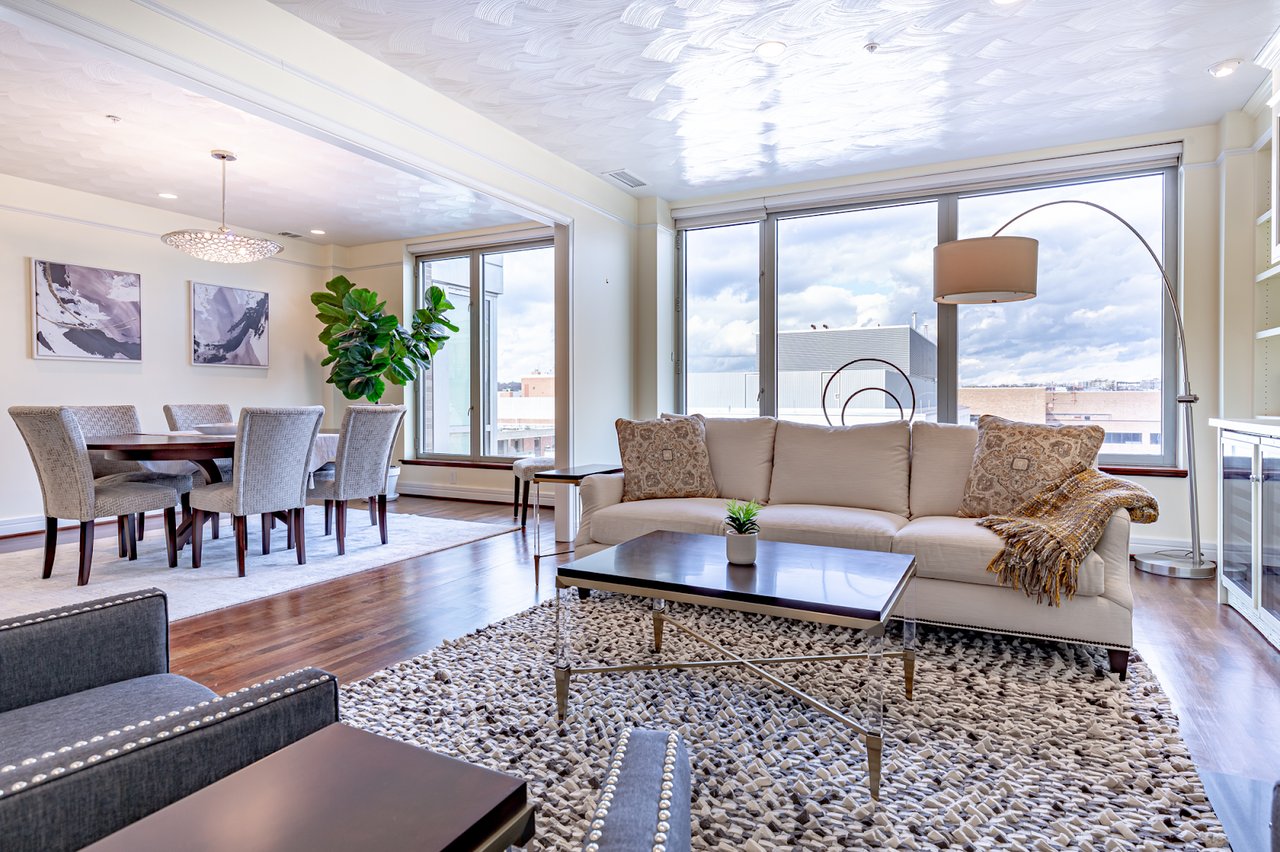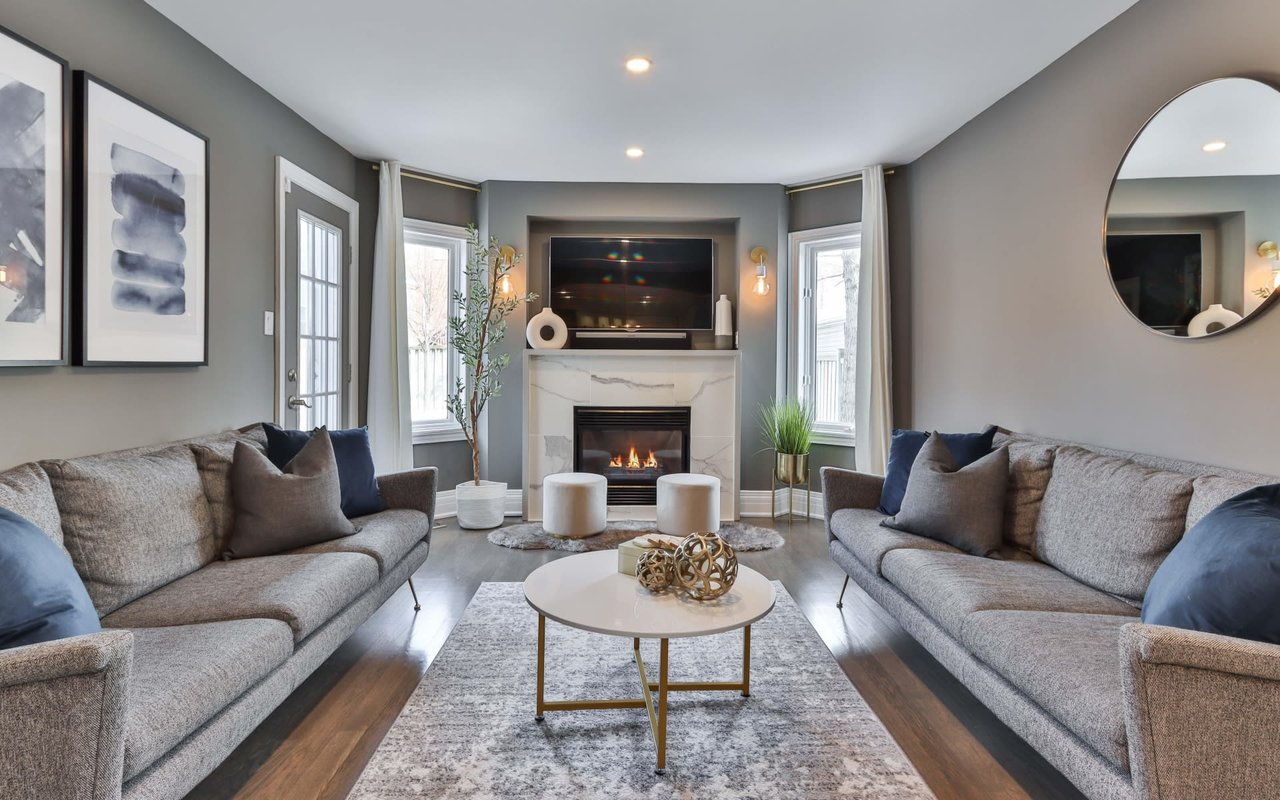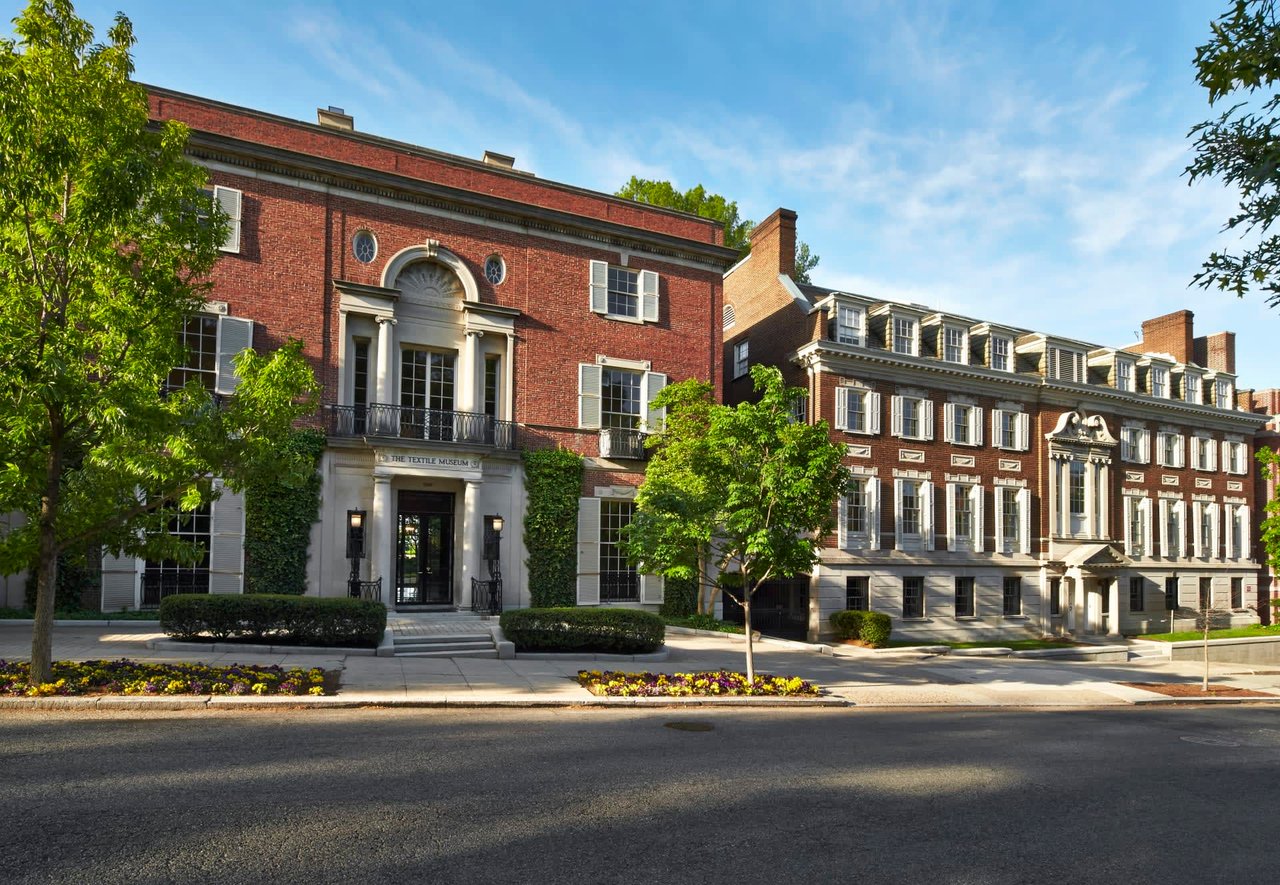
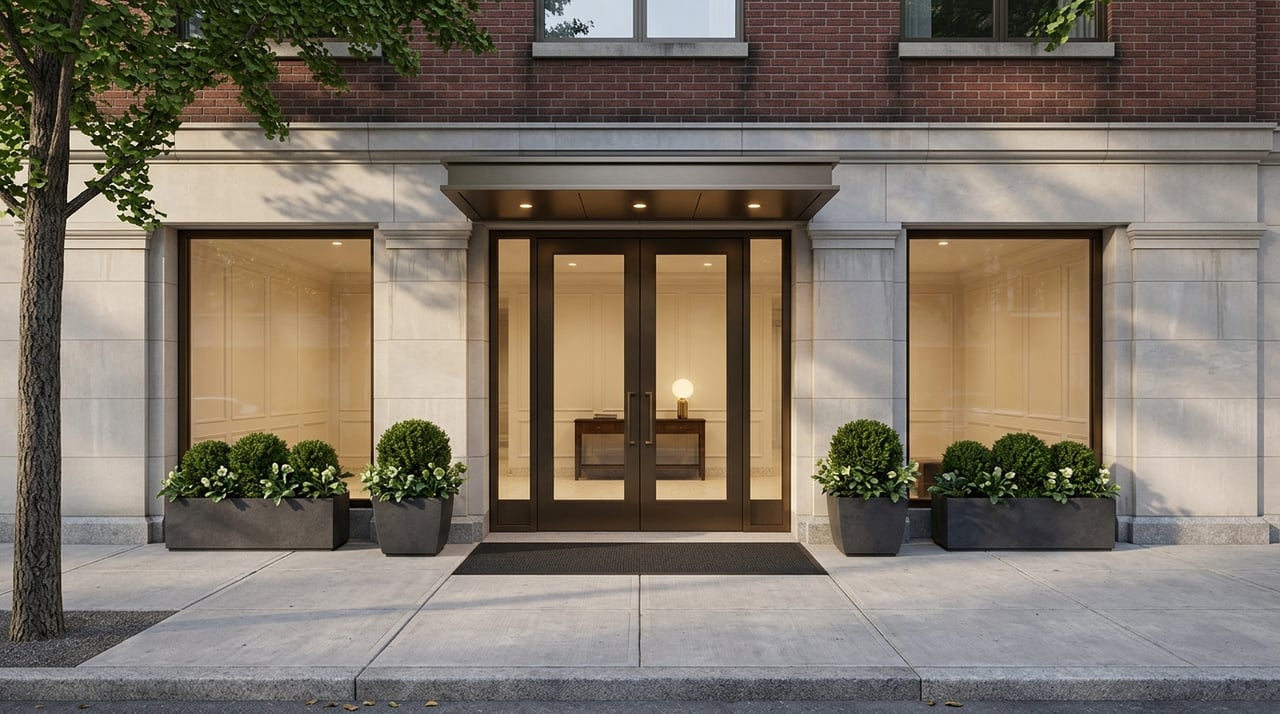
If you are shopping for a luxury condo in DC’s West End, broad neighborhood averages will only get you so far. In this part of Northwest Washington, one building can feel quiet and design-driven, while another offers a more hotel-style experience with a much deeper service stack. If you want to buy well, you need to compare buildings as carefully as you compare individual units. Let’s dive in.
Why building-level analysis matters
West End is best understood as a close-in Northwest DC submarket rather than a formally fixed neighborhood. DC planning materials and Ward 2 descriptions place it between Georgetown and Downtown, with a mix of residential, office, and hospitality uses.
A 2023 District study describes West End as a dense area that bridges Downtown and Georgetown. It also notes the concentration of luxury hotels and restaurants along M Street NW, along with everyday conveniences like Trader Joe’s on 25th Street NW. That combination helps explain why luxury condo buyers are often choosing not just a home, but a full daily lifestyle.
Market trackers also show why neighborhood averages can be misleading. Realtor.com reported West End as a balanced market in May 2026, while Redfin described it as somewhat competitive over a different time period. With different methodologies and time windows producing different snapshots, building-specific comparisons often tell you more than a single median price can.
West End luxury building types
West End’s luxury condo inventory is not one-size-fits-all. The buildings most buyers compare tend to fall into a few distinct categories, each with a different tradeoff between design, services, and scale.
Modern design-forward towers
A building like Westlight represents the newer, architecture-led end of the market. According to the building’s official materials, it includes 71 one-, two-, and three-bedroom residences, LEED Gold design, triple-glazed windows, and HEPA-grade fresh-air filtration.
That package matters because luxury livability is often shaped by details you feel every day, not just finishes you notice on a tour. Noise control, air quality, natural light, and efficient layouts can have a real impact on long-term satisfaction.
Service-heavy luxury towers
The Ritz-Carlton Residences illustrate a different model. Official building information describes two towers with 162 condos, 24x7 concierge, doormen, porters, security, valet parking, private access to Equinox Sports Club, and hotel-style services such as in-room dining, housekeeping, and private chef service.
For some buyers, that level of service is the point. If you travel often, value staffed support, or want a property that feels closer to a private residence with hospitality infrastructure, this kind of building can be a strong fit.
Full-service mid-rise options
22 West sits in another useful category: the smaller full-service mid-rise. Current building profiles list 92 units, 2008 construction, concierge, doorman, rooftop pool, fitness center, clubroom, garage, and on-site management.
This type of building can appeal to buyers who want strong amenities without the scale of a larger tower. In practice, that often creates a different day-to-day feel, with a balance of convenience, privacy, and manageable building size.
How to compare luxury condo buildings
When you evaluate West End condos, it helps to move through the same checklist every time. That keeps a beautiful lobby or polished staging from distracting you from the details that matter most.
Start with architecture and comfort
Luxury architecture is not just about style. It is about how the building supports your routine, your comfort, and your resale.
As you compare buildings, focus on questions like:
- How well does the glazing reduce street noise?
- How much natural light does the unit get?
- Are ceiling heights notably generous?
- Is there outdoor space such as a terrace or balcony?
- How efficient is the floor plan?
- Is storage included or available?
- Is parking part of the offering?
Westlight’s emphasis on triple-glazed windows and air filtration shows how some newer buildings prioritize envelope performance and daily comfort. By contrast, other buildings may place more value on service, location, or a broader amenity stack.
Compare the service model
Not every luxury building defines “full service” the same way. In West End, monthly dues make more sense when you compare them to the actual level of staffing and amenities rather than to a neighborhood-wide average.
Look closely at what is really included:
- Concierge coverage
- Doorman and porter service
- Valet parking
- Security presence
- Fitness facilities
- Rooftop pool or deck access
- Clubroom or lounge space
- Business center
- On-site management or engineering support
- Dog wash, storage, or other convenience features
A building with hotel-style services may justify a different cost structure than a smaller residence with fewer staff and simpler amenities. The key is to decide which services you will actually use.
Think about scale and feel
Unit count matters more than many buyers expect. A 71-residence building, a 92-unit mid-rise, and a 162-condo two-tower property can feel very different even when all are considered luxury options.
Smaller buildings may appeal to buyers who want a quieter atmosphere or a more design-focused identity. Larger, service-heavy properties may suit buyers who want more staff support and a stronger hospitality feel.
Review the condo association carefully
In DC, the legal review is one of the most important parts of buying a condo. This is especially true in the luxury market, where amenities, staffing, and building systems can make financial management more complex.
Under DC resale law, the seller must provide documents that include the current budget, reserves, capital expenditures, financial condition, pending suits or judgments, insurance coverage, and remaining leasehold term if applicable. The law also makes clear that unpaid assessments become liens, and the association can enforce them by sale.
For you as a buyer, that means the real question is not just whether the building looks polished today. It is whether the association appears able to fund future repairs and obligations without relying on frequent special assessments.
What to look for in the documents
As you review resale materials, pay close attention to:
- Reserve levels
- Recent and planned capital expenditures
- Signs of deferred maintenance
- Insurance coverage details
- Pending litigation or judgments
- Any unusual financial pressure on the association
A well-run association often supports long-term value just as much as architecture or amenities do. In a luxury building, strong governance can be a major part of protecting your investment.
Be extra careful with newer projects
If you are considering newly built or recently converted condos, DC law gives you another important set of disclosures through the public offering statement. These documents are especially useful when a building is selling a lifestyle vision along with the residence itself.
The public offering statement must disclose items such as the projected budget, reserve amount, management contract, rental restrictions, construction status, zoning and permit compliance, title encumbrances, financing, warranties, and projected completion date of major amenities.
That is where you can test whether an amenity package is fully delivered and funded, or still more aspirational than complete. In a polished luxury presentation, that distinction can be easy to miss unless you read the documents closely.
What tends to support resale
West End resale performance is often shaped as much by product type as by location. Research suggests that smaller, design-led buildings such as Westlight or 22 West may appeal to buyers who value newer construction and quieter living, while a property like the Ritz may appeal more to buyers who prioritize service density and a hotel-style experience.
Across the broader DC condo market, supply remained relatively constrained at the end of 2025, with McWilliams|Ballard reporting 2,580 new condo units in inventory, equal to 1.1 years of supply, along with a 2.1% increase in average resale price. While that is not West End-specific, it supports the idea that well-maintained, well-located luxury condos can still benefit from limited supply.
In practice, several themes tend to matter again and again in West End:
- Natural light
- Noise control
- Parking availability
- Storage options
- Staff quality and consistency
- Financial discipline at the association level
Those are not the flashiest parts of a showing, but they are often the details that hold up best over time.
Match the building to your lifestyle
The best luxury condo building in West End is rarely the one with the longest amenity list on paper. It is usually the one whose architecture, service model, and governance fit how you want to live now and how you may want to sell later.
If you prefer sleek design, building performance, and a more boutique atmosphere, one type of property may stand out. If you want valet service, around-the-clock staffing, and a hotel-adjacent experience, another may make more sense. The right answer is personal, but the evaluation process should be disciplined.
In a neighborhood as nuanced as West End, careful building-level guidance can make a meaningful difference. If you are weighing luxury condo options in close-in Northwest DC and want discreet, highly informed perspective, the Hagen Bergstrom Team can help you compare the details that truly matter.
FAQs
What makes West End condo buying different from other DC neighborhoods?
- West End is a close-in Northwest DC submarket with a dense mix of residential, office, hospitality, and retail uses, so luxury condo choices often vary more by building type, service model, and scale than by neighborhood averages alone.
What should you compare when evaluating a luxury condo building in West End?
- Focus on architecture and comfort, service levels, amenity depth, parking and storage, unit count, and the financial health of the condo association.
What luxury condo buildings are often compared in West End?
- Buyers often look at different building models such as the design-forward Westlight, the service-heavy Ritz-Carlton Residences, and the smaller full-service mid-rise 22 West.
What condo documents should you review before buying in DC’s West End?
- Under DC resale law, buyers should review materials that include the association budget, reserves, capital expenditures, financial condition, insurance coverage, pending suits or judgments, and leasehold information if applicable.
Why do condo association reserves matter in a West End luxury building?
- Reserve strength can indicate whether the association is prepared for future repairs and capital needs, which may reduce the risk of repeated special assessments.
What should you verify in a newer West End condo development?
- Review the public offering statement for projected budget, reserve amount, management contract, rental restrictions, construction status, permit and zoning compliance, warranties, financing, and projected completion dates for major amenities.