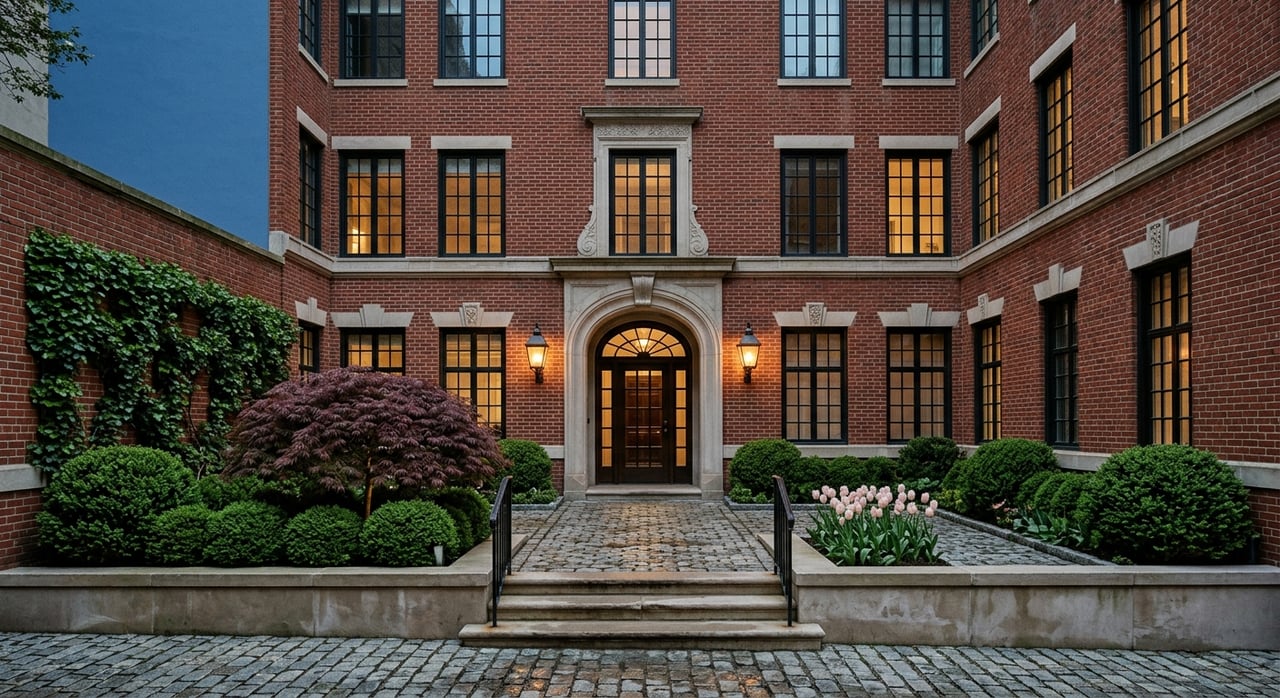
Choosing between Dupont Circle and Logan Circle is not just about picking a map pin. If you are buying in close-in Northwest DC, you are really deciding which streetscape, housing mix, and daily rhythm fit the way you want to live. This guide will help you compare the two through a buyer’s lens, from architecture and inventory to retail patterns and transit access. Let’s dive in.
What sets these neighborhoods apart
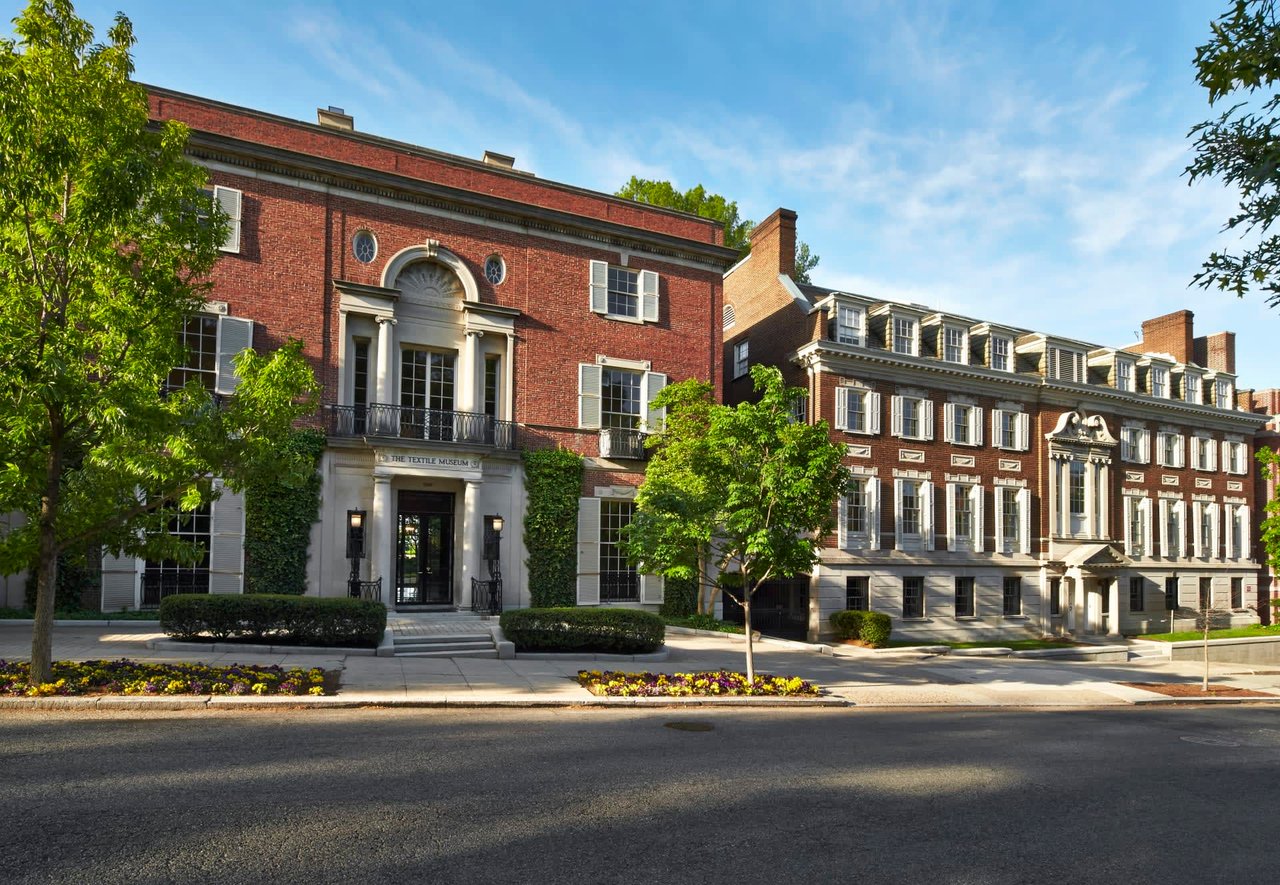
Dupont Circle and Logan Circle are both historic Northwest DC neighborhoods, but they were shaped differently. According to DC’s planning materials, Dupont Circle’s historic district developed from 1875 to 1931 and includes mansions, rowhouses, apartment buildings, and low-scale commercial blocks.
Logan Circle’s historic district developed from 1875 to 1900 and is more consistently rowhouse-oriented. That difference matters because it affects what you are likely to see, compare, and compete for as a buyer.
Dupont Circle at a glance
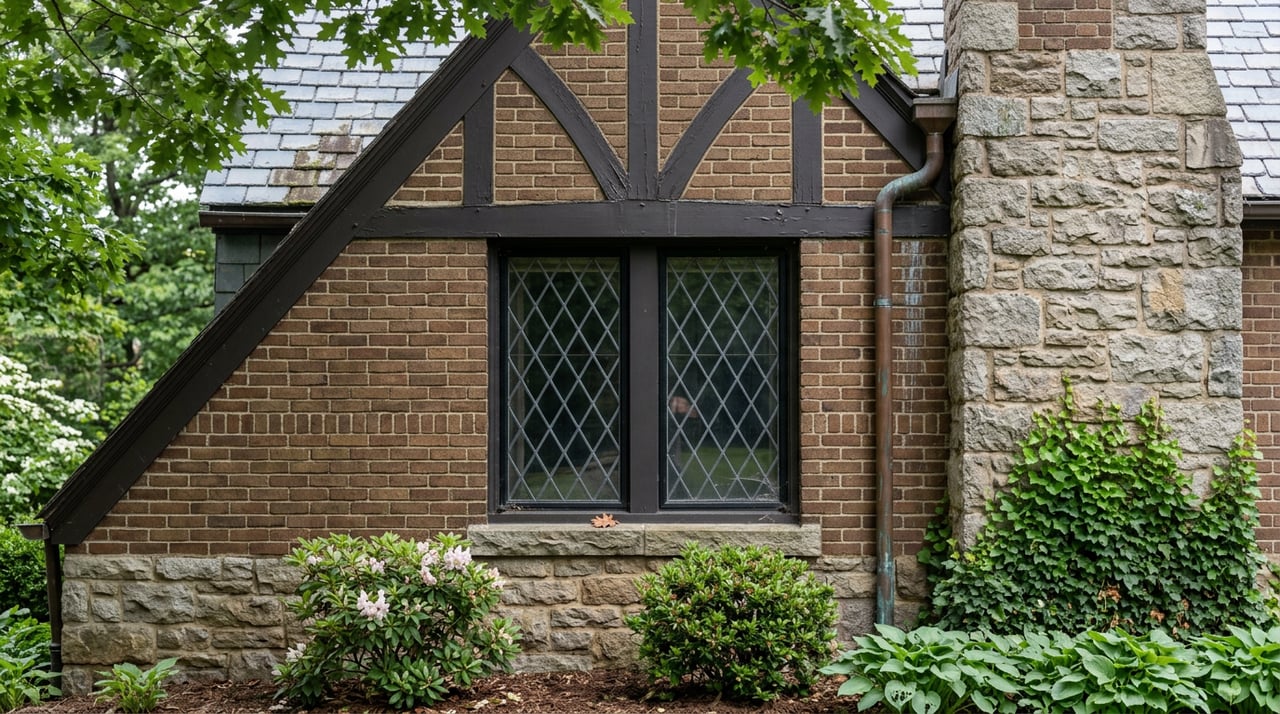
Dupont Circle Historic District was established in 1976 and later expanded. It covers more than 40 squares around the circle and is known for the contrast between grand houses on diagonal avenues and rowhouse streets on the standard grid.
The neighborhood also includes embassies, clubs, offices, apartment houses, and a commercial spine along Connecticut Avenue. For buyers, that creates a layered urban environment with more variation block to block.
Logan Circle at a glance
Logan Circle Historic District was designated in 1972. Its defining pattern centers on the circle and a non-grid street layout that creates irregular lots and a distinct street pattern.
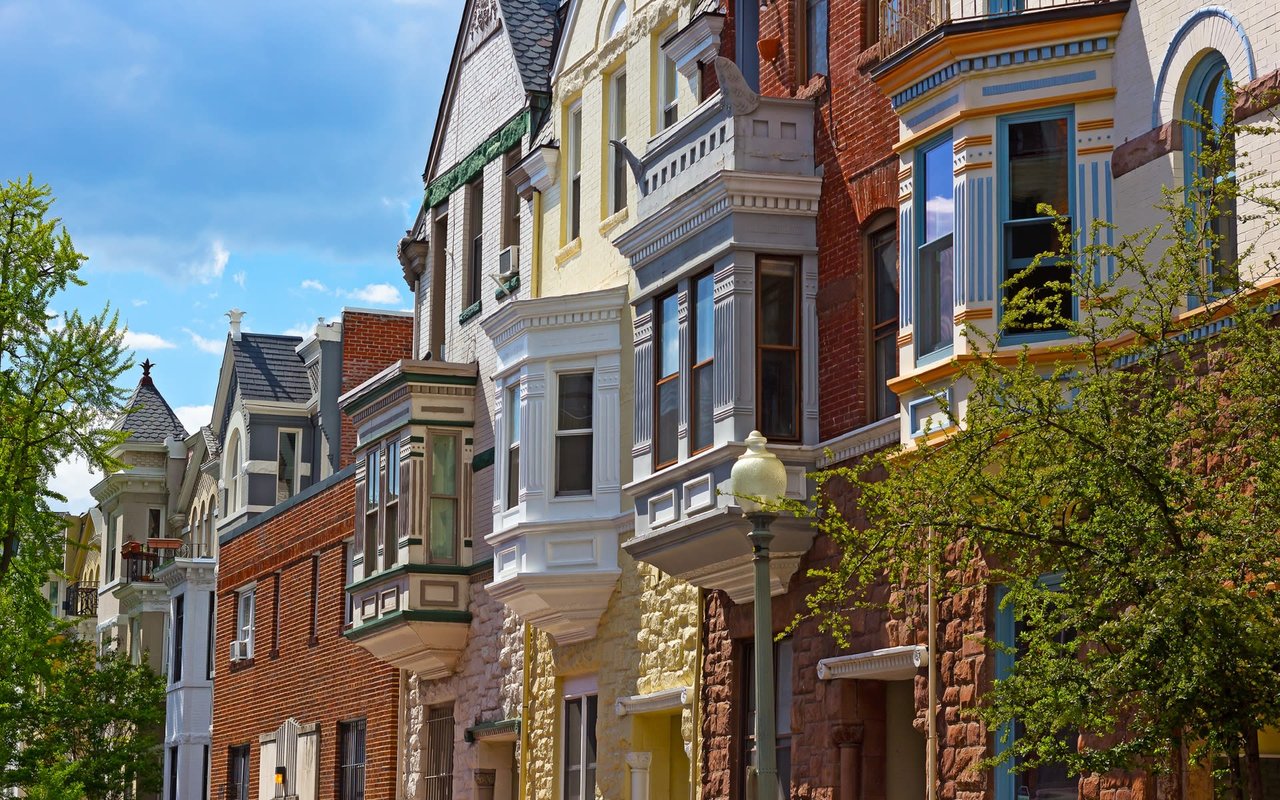
Most buildings are rowhouses set back behind small yards and iron fences. The area has a more unified late-Victorian character, especially on streets closest to the circle.
Housing stock: variety versus consistency
For many buyers, the biggest practical difference is the housing inventory itself. One neighborhood offers a broader mix, while the other delivers a more concentrated historic rowhouse experience.
Dupont Circle housing options
DC’s historic district nomination for Dupont describes two dominant housing types: large freestanding mansions and 3- to 4-story rowhouses. The district also includes several 5- and 6-story apartment buildings, which adds another layer of choice.
That means your search in Dupont Circle may include detached historic homes, classic rowhouses, prewar apartment-style residences, and converted properties. The neighborhood also has a long history of adaptive reuse, so some buildings that began as single-family homes now serve other residential or institutional uses.
For a buyer who wants range, that variety can be a real advantage. If you are comparing a townhouse, condo, or co-op lifestyle against a larger historic residence, Dupont often gives you more paths within one neighborhood.
Logan Circle housing options
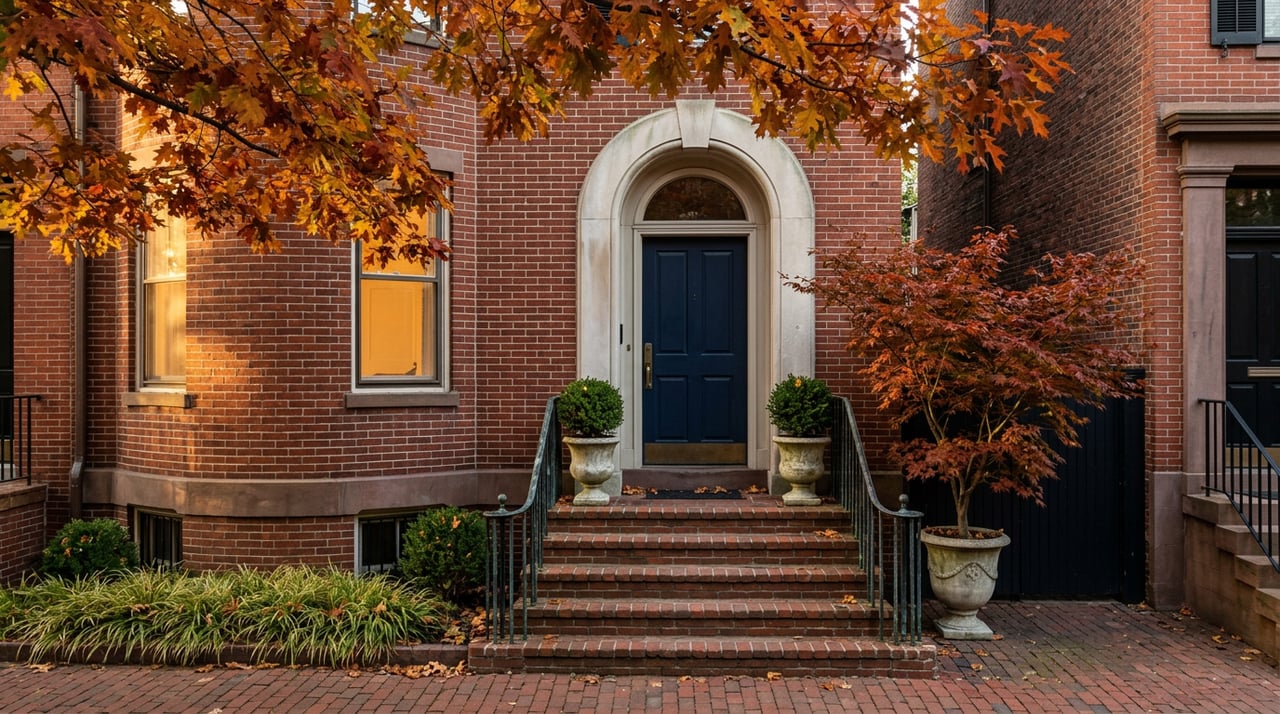
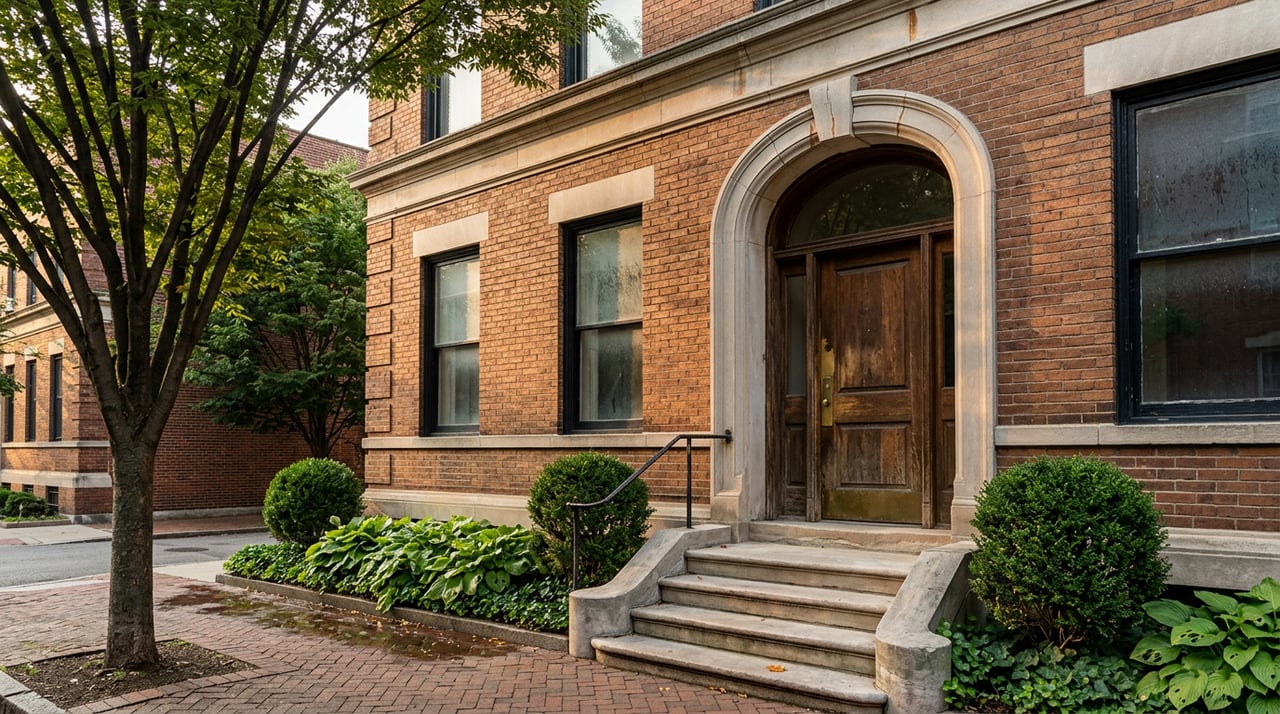
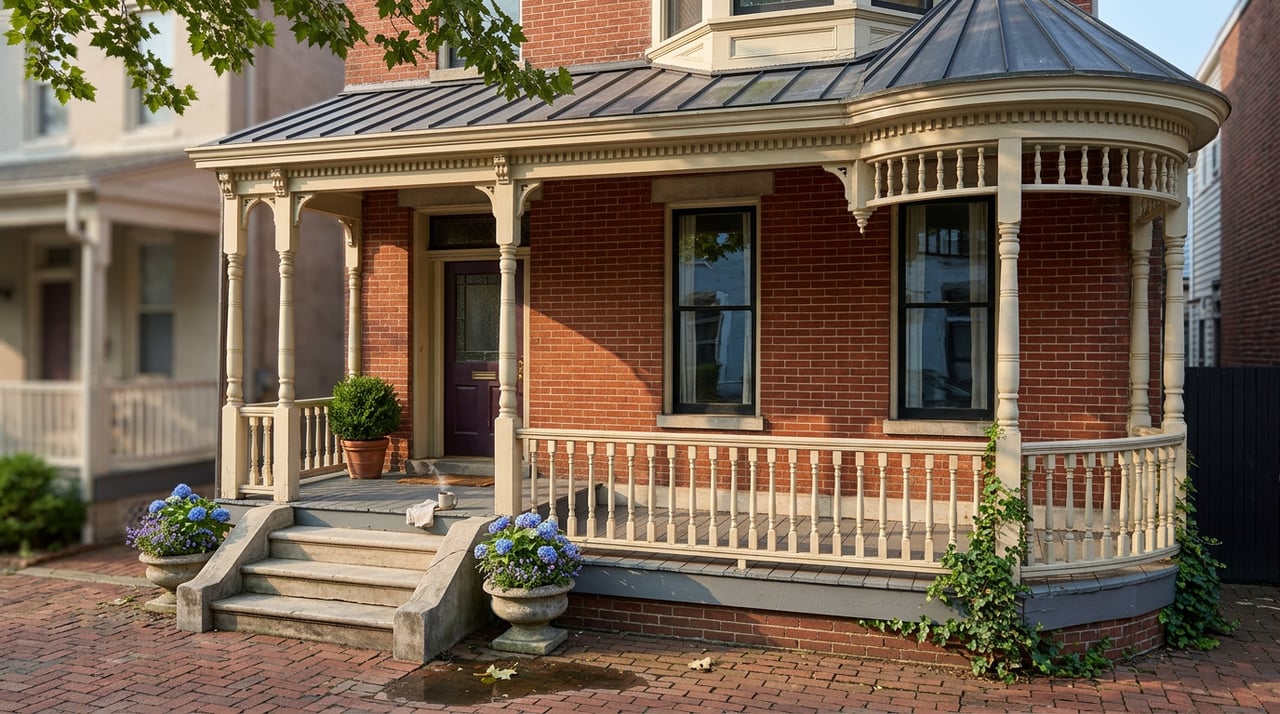
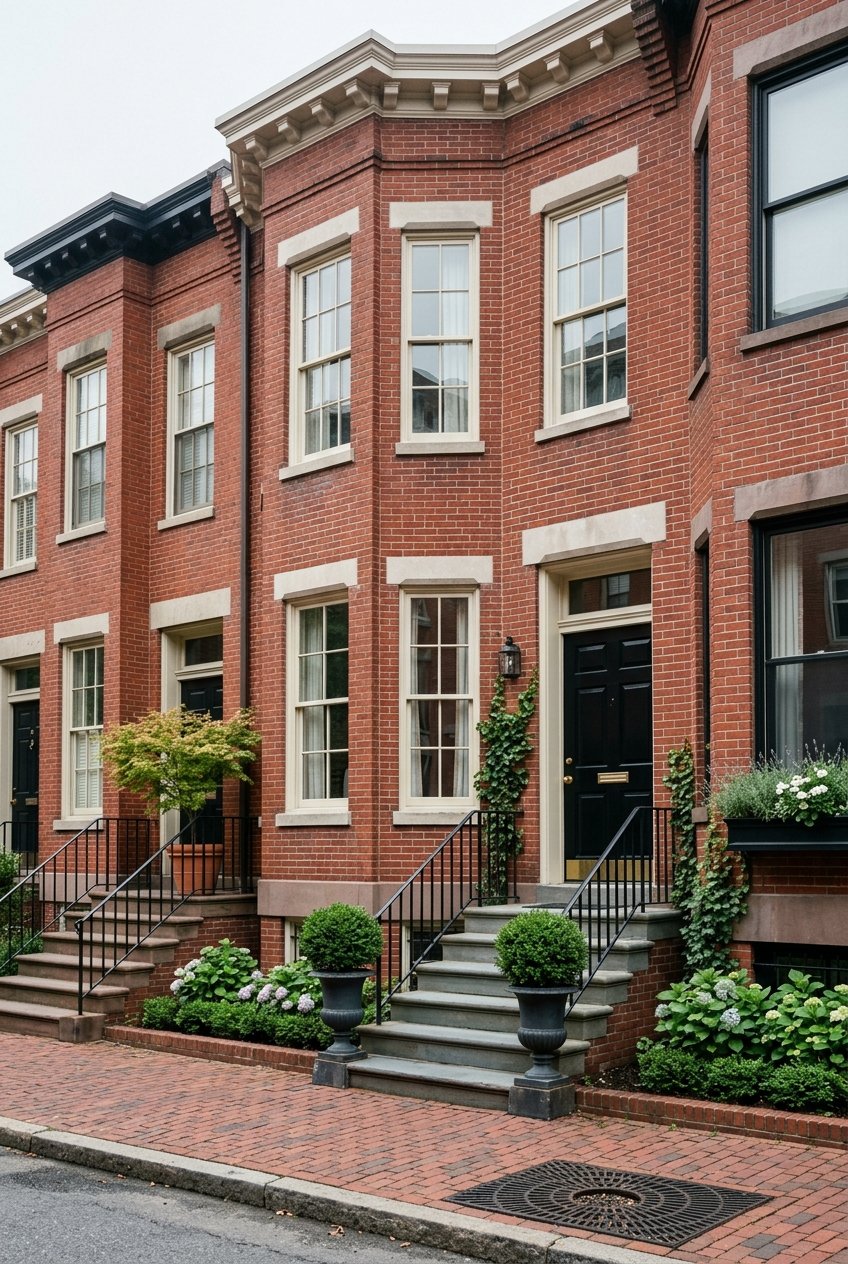
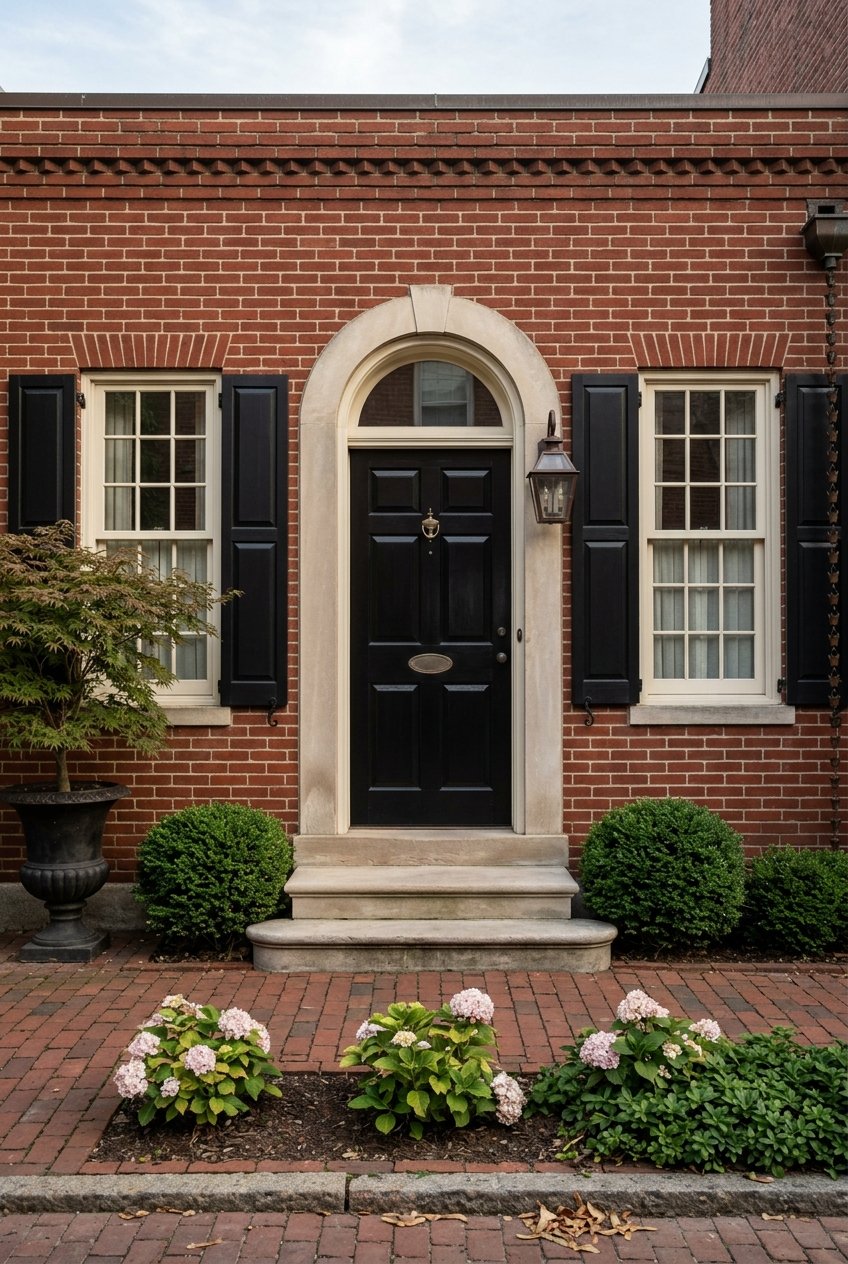
Logan Circle is more singular in form. The district is mostly made up of 3- to 3.5-story brick rowhouses with stone trim and partially exposed basements.
Its prevailing architectural styles include High Victorian, especially Second Empire, and Richardson-inspired Romanesque. While many townhouses were converted over time to apartments or rooming houses, the exterior streetscape stayed relatively intact, so the neighborhood still reads as a tight historic rowhouse district.
If you are drawn to a classic DC townhouse setting, Logan Circle often delivers that more consistently. The tradeoff is that the housing mix is less varied than in Dupont Circle.
Streetscape and daily feel
When buyers picture daily life, they often think beyond the home itself. They think about what the walk to coffee feels like, whether retail is spread out or clustered, and how active the street is at different times of day.
Dupont Circle street life
Dupont’s commercial activity is spread across several streets rather than focused on one corridor. Historic Dupont Main Streets describes about 22 blocks of commercial district activity that includes Dupont Circle, P Street NW, Massachusetts Avenue, and Connecticut Avenue from the circle to California Street NW.
The historic nomination adds an important nuance: these commercial buildings are generally small in scale and sit within a largely residential district. In practice, that means Dupont can feel active and walkable without always reading as one continuous high-intensity strip.
Logan Circle street life
Logan Circle is more clearly organized around the 14th Street corridor. Washington.org identifies 14th Street NW as the neighborhood’s main business drag, with restaurants, retailers, and bars concentrated between M and U streets.
For buyers, that usually translates to a more corridor-centered experience. The circle and nearby side streets feed into that activity, but 14th Street is the anchor of the neighborhood’s retail and dining scene.
Transit and commute considerations
Transit access can shape your short list quickly, especially if you want a simple rail commute. Here, the difference between the two neighborhoods is fairly straightforward.
Dupont Circle transit access
Dupont Circle has direct Red Line access through Dupont Circle station at 1525 20th Street NW. WMATA lists entrances at Connecticut Avenue and 19th Street NW and at Connecticut Avenue and Q Street NW.
Bus options also serve the area, including the Connecticut Avenue L2 route and Massachusetts Avenue N2, N4, and N6 routes. If direct Metro access is high on your priority list, Dupont has the clearer advantage.
Logan Circle transit access
Logan Circle does not have the same rail presence at its center. WMATA’s Metro guide maps Logan Circle at 13th Street and Rhode Island Avenue NW and pairs it with Dupont Circle station on the Red Line, suggesting a short walk or bus connection is more typical.
WMATA’s D5X 14th St Limited also runs via 14th Street, Columbia Heights, Logan Circle, and Downtown DC. If you are comfortable with a bus-plus-walk routine and want to be closer to the 14th Street corridor, Logan may still be a strong fit.
Which neighborhood fits your search?
The better neighborhood often comes down to how you rank your priorities. Here is a simple buyer-focused comparison.
| Buyer Priority | Dupont Circle | Logan Circle |
|---|---|---|
| Broader housing mix | Strong fit | More limited |
| Predominantly rowhouse setting | Possible, but mixed | Strong fit |
| Detached historic homes | Better fit | Less typical |
| Apartment-building options | More common | Less central to identity |
| Retail spread across multiple streets | Yes | Less so |
| Corridor-centered dining scene | Less concentrated | Strong fit |
| Direct Red Line access | Strong advantage | Not centered in neighborhood |
| Bus and walk-oriented access | Good | More typical |
When Dupont Circle may suit you better
Dupont Circle may be the better fit if you want more housing variety within a single neighborhood search. It is also a strong option if direct Red Line access matters, or if you are comparing townhouses, condos, co-ops, and larger historic residences at the same time.
Buyers who appreciate architectural range often respond well to Dupont. The neighborhood includes everything from grand avenue-facing houses to rowhouse streets and prewar apartment buildings, which can make the search feel more flexible.
When Logan Circle may suit you better
Logan Circle may suit you better if your goal is a more consistent rowhouse environment. Its historic fabric is tighter, and the neighborhood experience is more closely tied to the 14th Street corridor.
If you picture yourself in a classic brick townhouse setting with small front yards, iron fencing, and a strong sense of architectural continuity, Logan Circle deserves a close look. It can be especially appealing if you are comfortable trading direct rail access for a more corridor-centered lifestyle.
Why neighborhood nuance matters in DC
In Washington, DC, two neighborhoods that look close on a map can feel very different once you narrow your search. Building type, street pattern, commercial layout, and transit access all shape the day-to-day experience of ownership.
That is especially true in historic neighborhoods, where inventory is not one-size-fits-all. A buyer comparing Dupont Circle and Logan Circle often benefits from looking beyond price and bedroom count to the finer details of building form, block character, and access.
If you are weighing Dupont Circle against Logan Circle, a calm, informed comparison can save time and sharpen your search. The Hagen Bergstrom Team offers discreet, highly local guidance for buyers navigating Washington’s historic and distinctive neighborhoods.
FAQs
What is the main housing difference between Dupont Circle and Logan Circle for buyers?
- Dupont Circle offers a broader mix of mansions, rowhouses, apartment buildings, and converted properties, while Logan Circle is more consistently defined by historic rowhouses.
Which neighborhood has better Metro access for DC homebuyers?
- Dupont Circle has the clearer advantage because it has direct Red Line access through Dupont Circle station, while Logan Circle is more typically served by a walk or bus connection.
Which neighborhood feels more centered on restaurants and retail in DC?
- Logan Circle is more strongly centered on the 14th Street corridor, while Dupont Circle’s retail and dining activity is spread across several streets, including Connecticut Avenue, P Street, and areas around the circle.
Is Logan Circle or Dupont Circle better for historic rowhouse buyers?
- Logan Circle is generally the stronger fit if you want a predominantly rowhouse neighborhood with a tight historic streetscape and a more unified architectural feel.
Is Dupont Circle or Logan Circle better for buyers who want more property types?
- Dupont Circle is usually the better fit if you want to compare different property types within one neighborhood, including larger historic homes, rowhouses, and apartment-style residences.