Pull up three different real estate sites for Wesley Heights and you will get three different stories about the same several blocks of Northwest DC. One shows prices falling by more than a quarter over the past year. Another shows them climbing by nearly half. A third lands somewhere in between, at a number that looks nothing like either. None of the three is broken. They are each measuring a different slice of a neighborhood that, underneath one name, is actually two or three separate housing markets.
That distinction matters more than the trend arrows. If you are comparing Wesley Heights to Spring Valley, Foxhall, Kalorama, or Georgetown while deciding where to buy or list, the neighborhood-wide median is close to useless for pricing an actual house. Here is what the number is hiding, and what to check instead.
Three numbers, one neighborhood
Bright MLS data covering every closed sale in Wesley Heights during the first half of 2026, condos, co-ops, and detached houses together, puts the blended median around $730,000. Narrow that same six-month window to detached single-family houses only, and the median jumps to $2.96 million, roughly four times higher. Meanwhile, portal-level figures for the neighborhood diverge sharply from each other: one shows a median around $2.3 million for the three months ending April 2026, down 27.5% from the same period a year earlier, while its average price for a recent month actually rose 13.1% year over year. A different site's trailing 12-month median lands at $827,500, up 45% over the prior year.
| Figure | Window | What it measures | Direction |
|---|---|---|---|
| Bright MLS blended median | H1 2026 | All closed sales: houses, condos, co-ops | Reference point |
| Bright MLS detached median | H1 2026 | Detached single-family only | $2.96M |
| Portal median (falling) | 3 months ending April 2026 | Mixed closed sales | Down 27.5% YoY |
| Portal median (rising) | Trailing 12 months | Mixed closed sales | Up 45% YoY |
Four numbers, four stories, all technically accurate. The reason they contradict each other isn't sloppy data. It's that Wesley Heights is small enough, and its housing stock varied enough, that whichever handful of sales happen to close in a given window determines the headline number more than any actual shift in value.
Why the number swings this hard
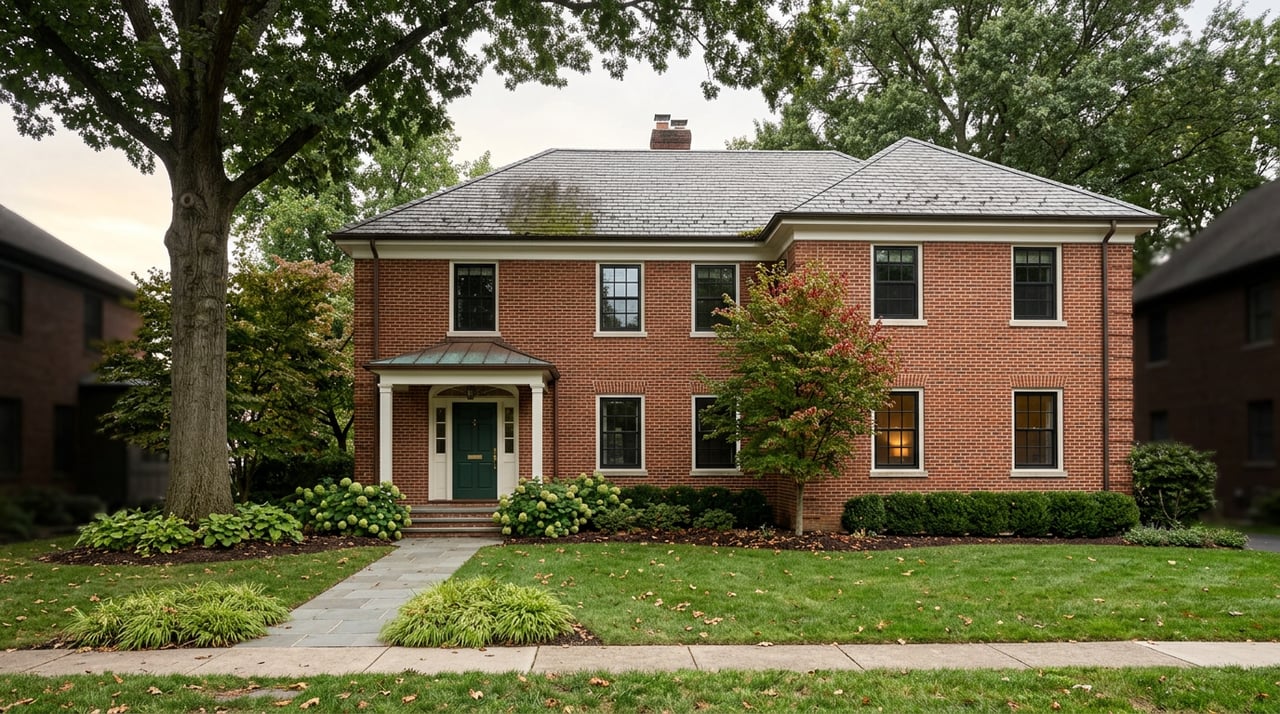
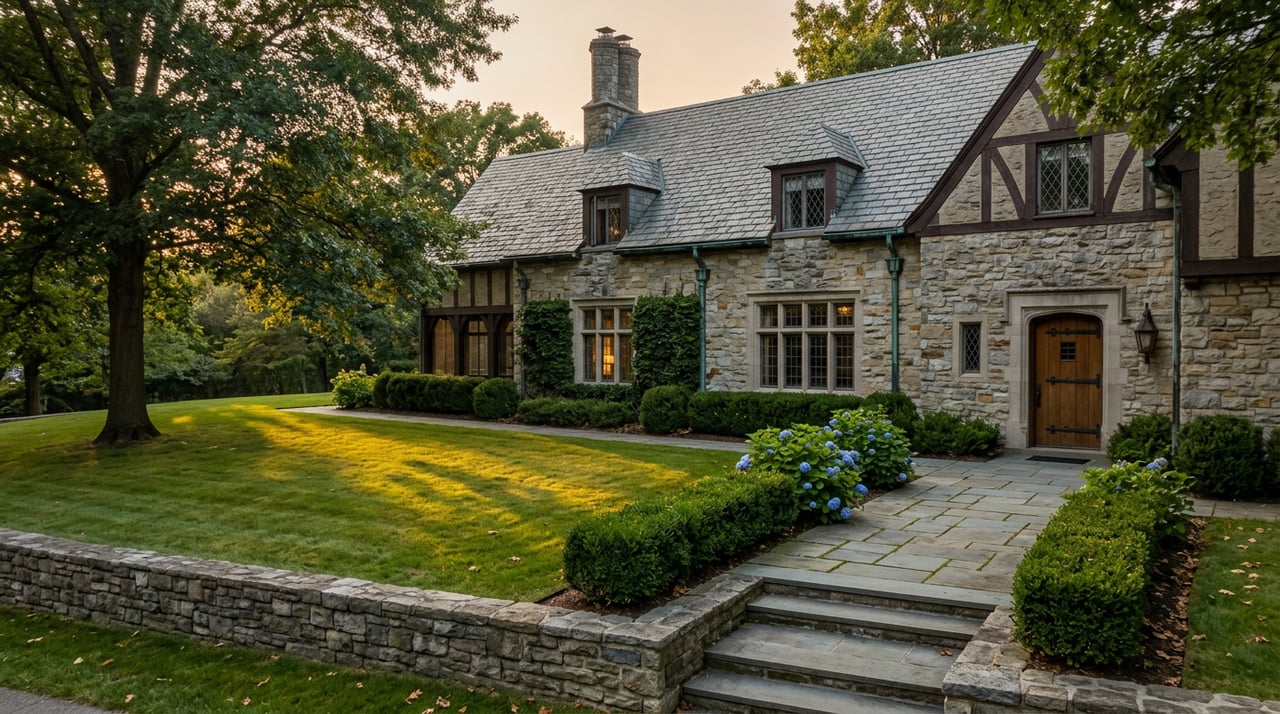
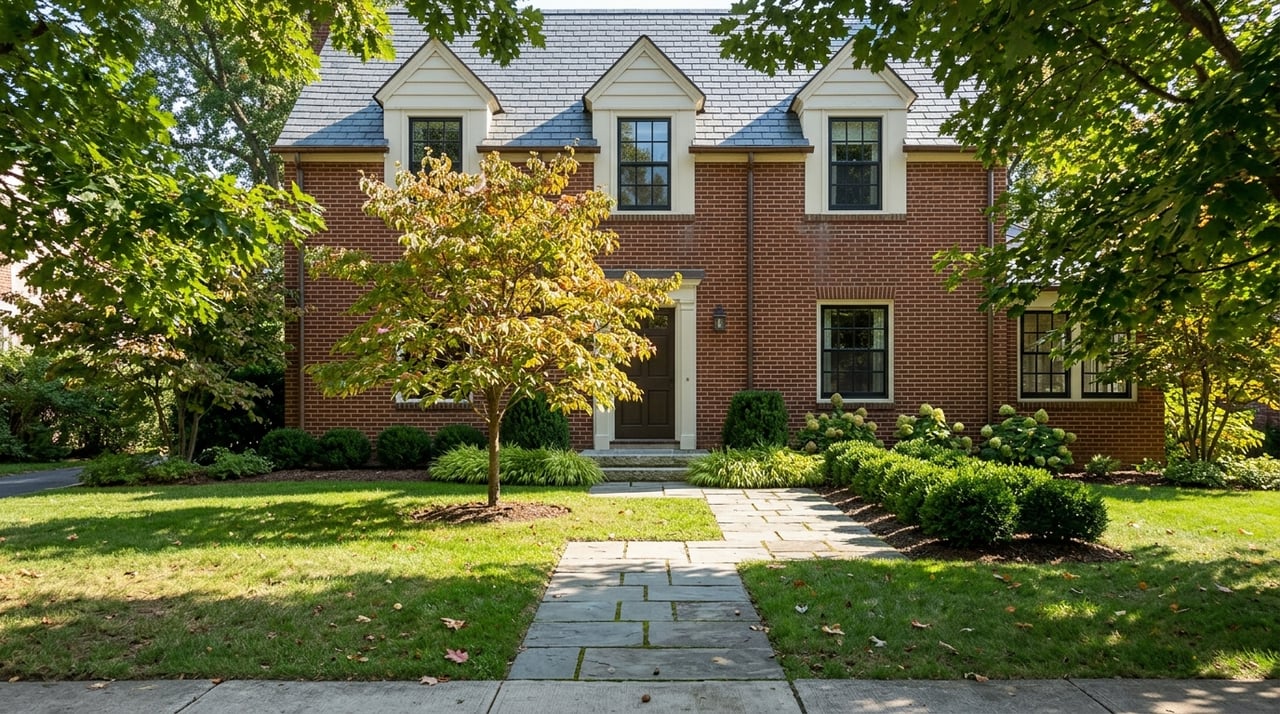
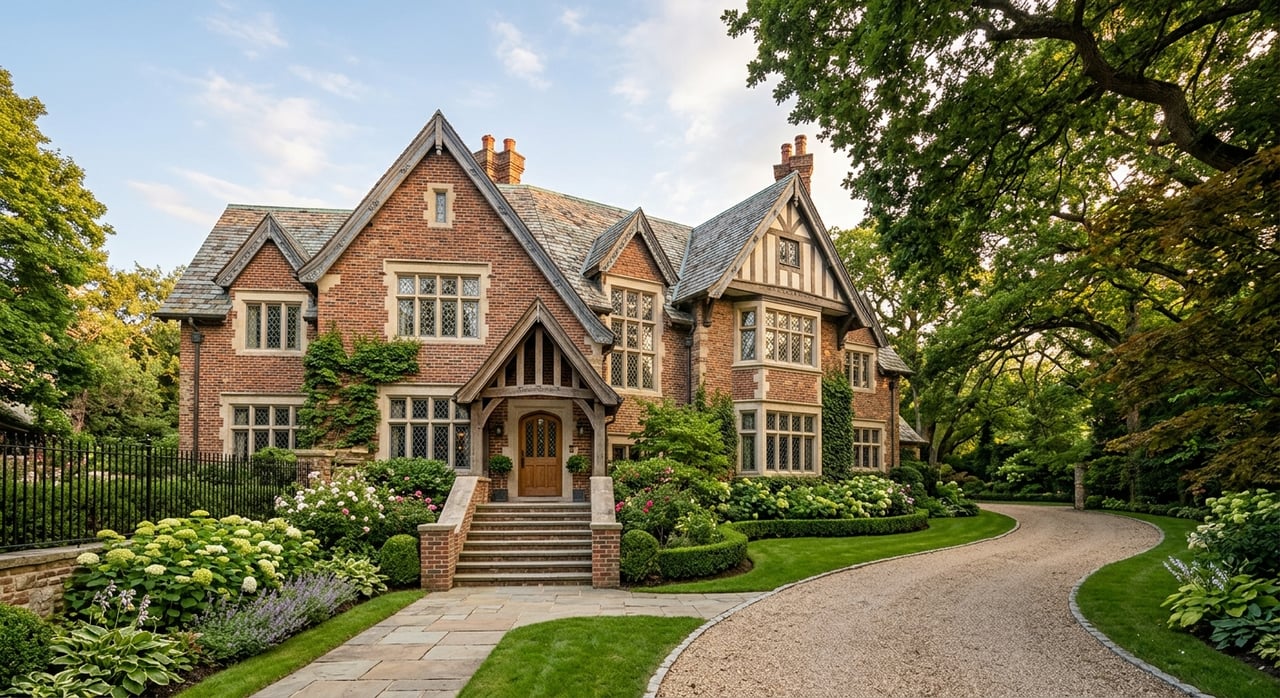
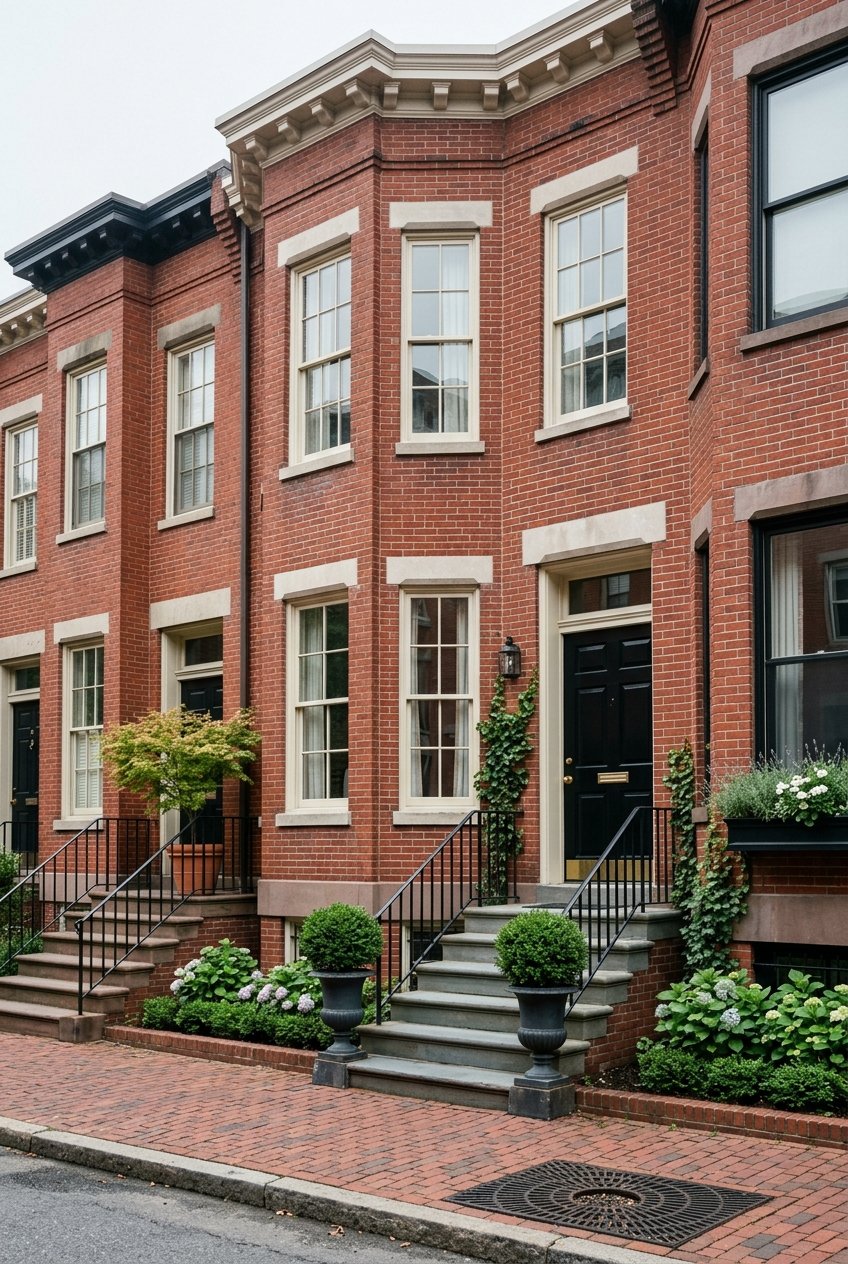
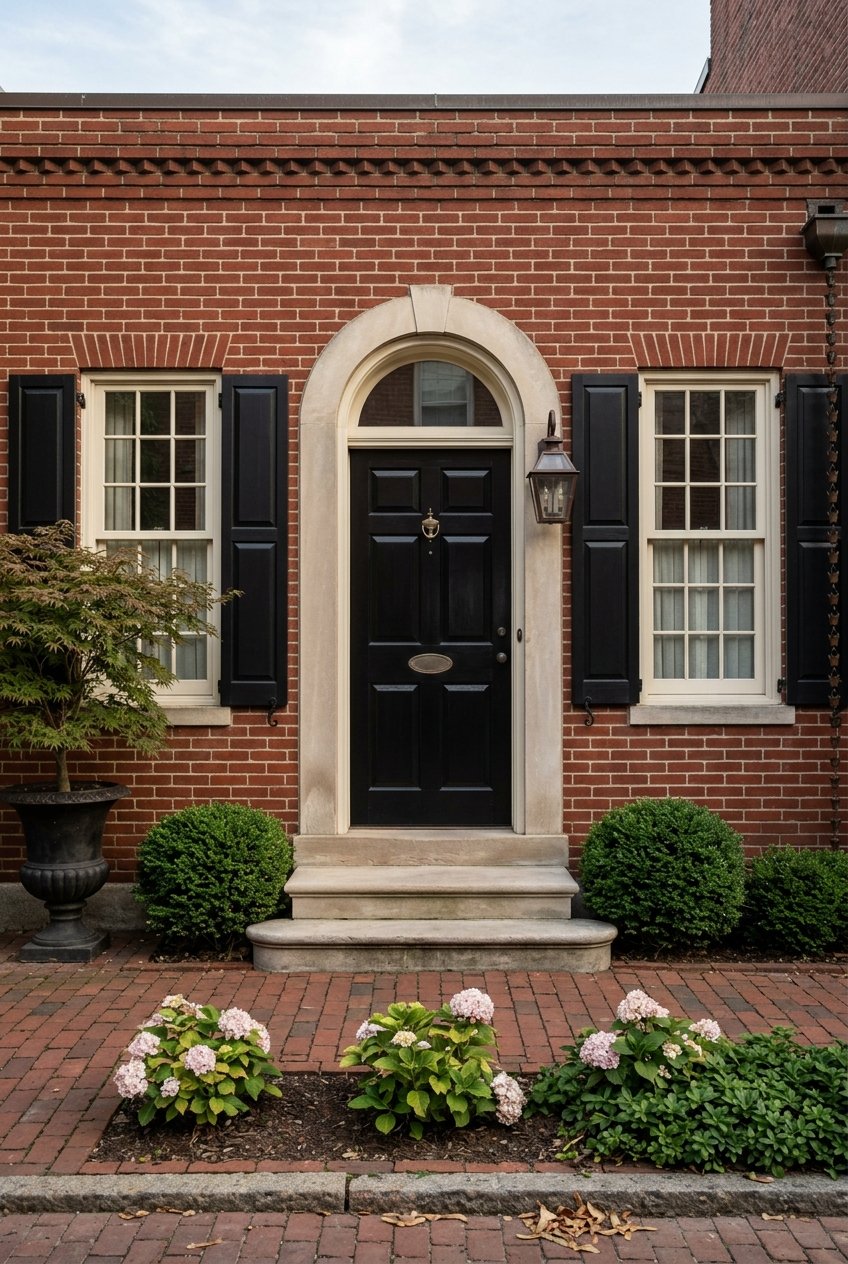
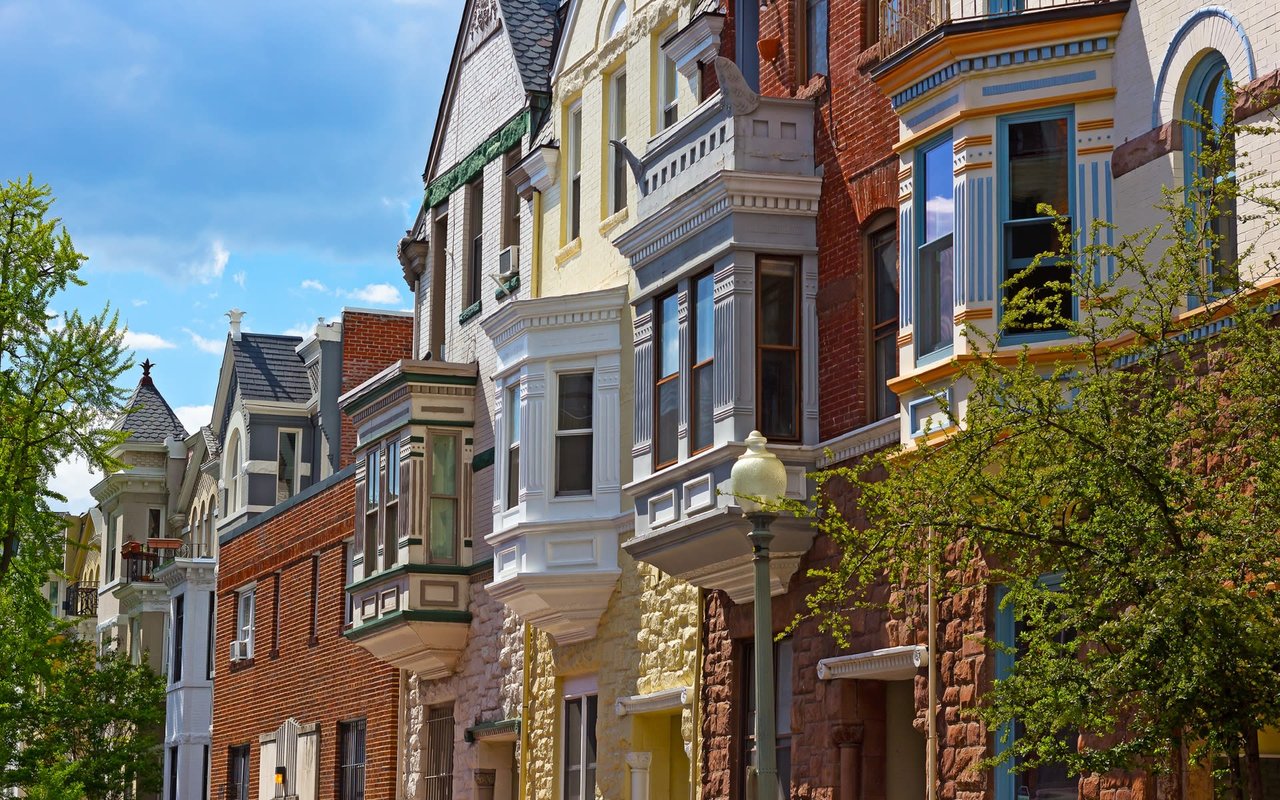
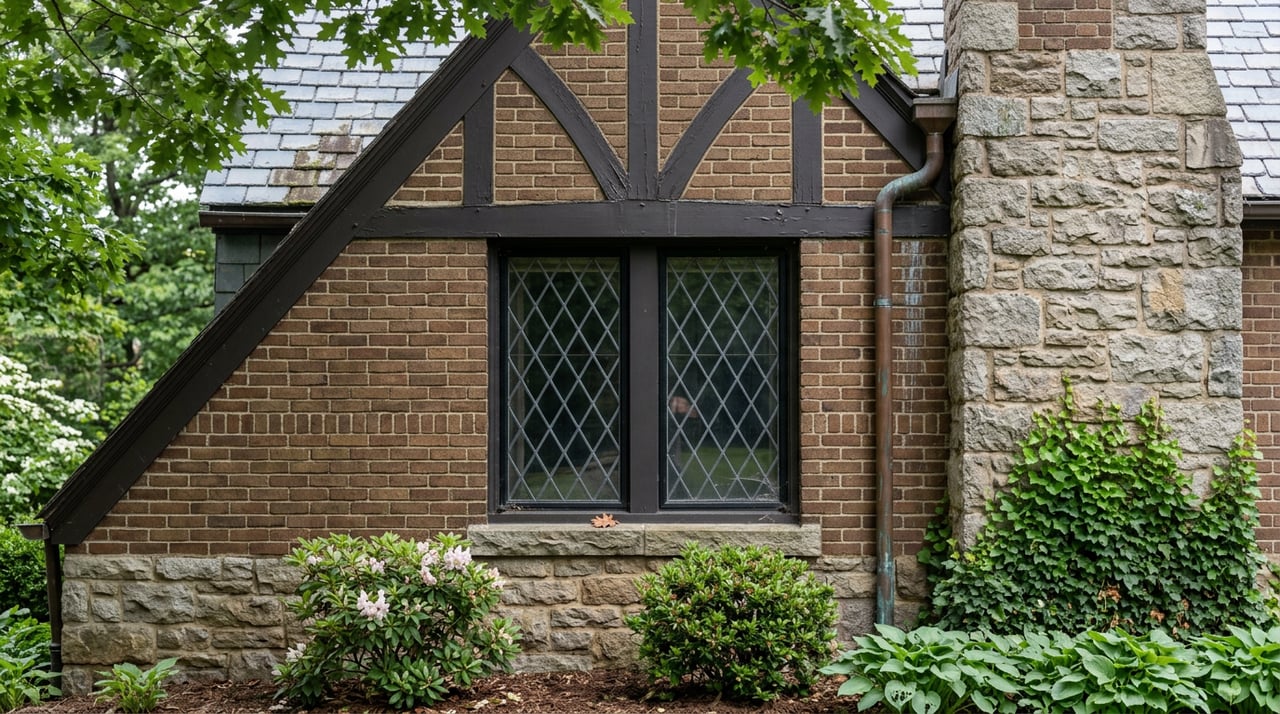
Wesley Heights was laid out in the 1920s by developers W.C. and A.N. Miller, the same team behind neighboring Spring Valley and American University Park, and most of what sold there this year still reflects that era: Tudors and center-hall Colonials built in the 1920s through the 1940s, updated over the decades but not rebuilt. Those original homes account for roughly nine of every ten closed detached sales and trade at around $590 per finished square foot.
The remaining one in ten sales are ground-up new construction or full rebuilds behind original walls, and they do not compete on the same terms. Despite their small share of transactions, they account for close to a fifth of all the dollars that change hands in the neighborhood in a given stretch, because their price per finished foot runs well above the neighborhood's typical range. When one or two of those large, rebuilt estates close in a quiet quarter, the median lurches upward. When a run of original, unrenovated houses closes instead, it drops back down. Neither move reflects the market actually rising or falling by that much. It reflects which kind of house happened to sell.
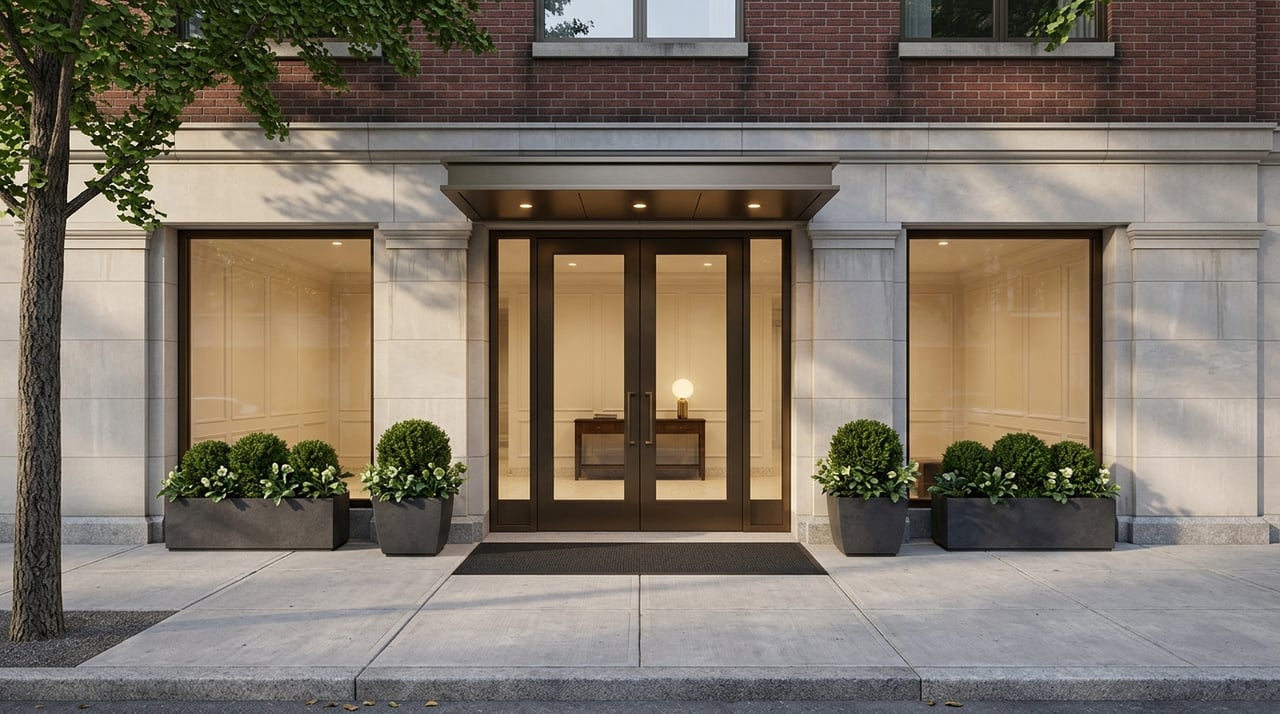
Layer in the condo and co-op stock, at buildings like The Foxhall, a nine-story building from 1971 with 90 units, and The Towers, a 13-story building from 1960 with roughly 700 units, and the blended neighborhood median pulls down toward the low $700,000s, a figure that has nothing to do with what a detached-house buyer will actually pay on Foxhall Road or Cathedral Avenue NW.
The comp trap hiding in "year built"
Even once you isolate detached houses, one more wrinkle can throw off a comparison: the year-built field on a listing does not always tell you what you think it does. Some houses recorded as built in the 1920s or 1930s have since been taken down to the studs and rebuilt behind their original facades. A house that reads as a period-original comp on paper may in fact belong in the rebuilt cohort, priced accordingly.
Practically, that means if you are sizing up your own house against a recent sale, say a comparable a few blocks over on Cathedral Avenue NW, checking the sale's price per finished square foot against the neighborhood's roughly $590 baseline tells you more than the year-built field does. A sale priced meaningfully above that per-foot baseline is very likely a rebuild, not a period-original house, no matter what decade its listing claims.
What this means if you're cross-shopping Northwest DC
Buyers comparing Wesley Heights against Spring Valley, Foxhall, Kalorama, or Georgetown are usually weighing the same tradeoff: space and privacy against walkability and retail density. Wesley Heights, bordered by Nebraska Avenue to the north, New Mexico Avenue to the east, Glover Parkway to the south, and Battery-Kemble Park to the west, backs onto Glover-Archbold Park on one side and sits close enough to Battery-Kemble Park on the other that many of its lots read as wooded and set back from the street, even minutes from downtown.
That space comes at a lower price per square foot than comparably sized homes in Georgetown or Kalorama, but with less retail immediately at hand. Active luxury inventory in the neighborhood tends to stay thin, often just a handful of homes on the market at any given time, and days on market for that upper tier can stretch out well beyond what the broader DC luxury market sees. That is not a sign of weak demand. It reflects a small, patient buyer pool matched against a small, patient seller pool, in a neighborhood where the right house for the right buyer does not come up often.
For sellers, the small sample size cuts the other way: with so few comparable sales in any given stretch, a single overpriced listing that sits, or a single rebuild that closes at a premium, can distort what the next seller thinks their house is worth. Renovation costs offer one useful anchor here. High-end kitchen and bathroom projects in estate-scale Wesley Heights homes regularly run well above $150,000, with fully custom kitchens exceeding $200,000, which helps explain why the rebuilt tenth of the market commands such a different price per foot than the original nine-tenths. The investment is visible in the sale price, not just the square footage.
Frequently asked questions
Is Wesley Heights a buyer's or seller's market right now? Neither label fits cleanly. The small number of annual sales means pricing behaves less like a broad market and more like a series of individual negotiations, where condition, lot, and renovation history matter more than any citywide trend.
Why do different real estate sites show such different trends for the same neighborhood? Because each site's median depends on exactly which sales closed during its particular window, and Wesley Heights' housing stock is split unevenly between original homes, rebuilt estates, and condo or co-op units. A handful of sales in either direction can swing the headline number without reflecting a real shift in value.
What should I actually compare my house to? Filter first by property type (detached versus condo or co-op), then by price per finished square foot rather than year built alone, since some homes recorded as decades old have been fully rebuilt behind their original walls.
Numbers like these are exactly why a neighborhood-wide average is a starting point, not an answer. If you are weighing a move into or out of Wesley Heights, or trying to make sense of what a specific comp on your block actually tells you, the Hagen Bergstrom Team has spent decades reading Northwest DC's close-in neighborhoods block by block. Book an appointment and we'll walk through what your specific address, lot, and condition are actually worth in today's market.